
South Africa reports secret talks on amnesty after TRC — Daily Maverick
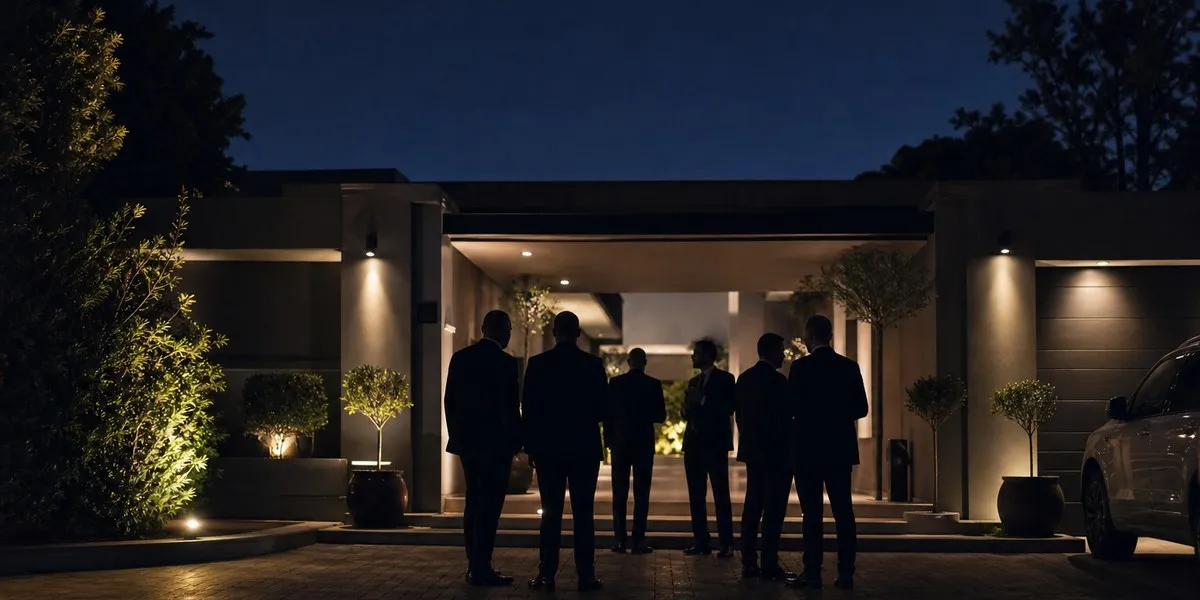
In Johannesburg, South Africa, Namibian businessman Jurgen Kögl made his home available for closed meetings between former generals from the apartheid era and representatives of the African National Congress government. According to Daily Maverick, the talks took place between 1998 and 2004 and concerned criminal prosecutions for human rights violations after the Truth and Reconciliation Commission had completed its work.
The Kampepe Commission, which is examining delays in prosecuting cases related to the Truth and Reconciliation Commission, summoned Kögl to testify about these informal talks. A Rule 3.3 notice issued by the commission states that the main purpose of the meetings was likely to reach an agreement on a legislative solution that would make it possible to avoid prosecutions after the TRC process had ended.
Participants in the meetings
The talks involved former chief of the South African Defence Force Constand Viljoen, who was initially approached to begin dialogue with ANC leaders; the head of the generals' delegation, Jannie Geldenhuys; Major General Dirk Marais; former Defence Minister Magnus Malan; and former army commander Kat Liebenberg. Depending on the subject, other generals, former air force chiefs and their legal advisers also joined the discussions.
The ANC delegation was represented by senior officials and members of the government's security cluster. Participants included Jacob Zuma, first vice president and later president of South Africa, as well as ministers Joe Modise, Sydney Mufamadi, Dullah Omar, Penuell Maduna, Charles Nqakula, Mosiuoa Lekota, Steve Tshwete, Joe Nhlanhla, Ronnie Kasrils and Bridget Mabandla. State legal advisers and a legislative drafting specialist at the Justice Ministry presented possible mechanisms for exemption from liability to the participants.
More current news is available on the UA.News Telegram channel Telegram.
Amnesty proposals
According to the publication, the former generals sought a general amnesty that would provide for acknowledgment of crimes committed without full disclosure of the circumstances. This came after the TRC did not grant amnesty to 37 ANC leaders. The commission noted that the contacts were aimed at finding a new mechanism for exemption from liability, which other participants called “amnesty through the back door.”
Journalist Michael Schmidt wrote, citing Marais, that the generals sought an arrangement under which no charges would be brought against either them or representatives of the other side. In February 2003, a delegation led by Geldenhuys met in Cape Town with then ministers Penuell Maduna and Charles Nqakula, who read them a draft law. According to Schmidt's account, the generals objected to requirements to make statements and apologize because they believed that those who wanted to testify had already done so before the TRC.
Kögl told the Kampepe Commission that he had played only an organizational role: he provided a venue for the meetings, as well as logistical and practical support at his own expense. He also stated that he did not shape the content of the arrangements, did not assume responsibility for it, and had no direct knowledge of attempts to halt or interfere with investigations and prosecutions in TRC cases.




