
In South Africa, adolescent identity development became a priority of the children’s strategy — Daily Maverick
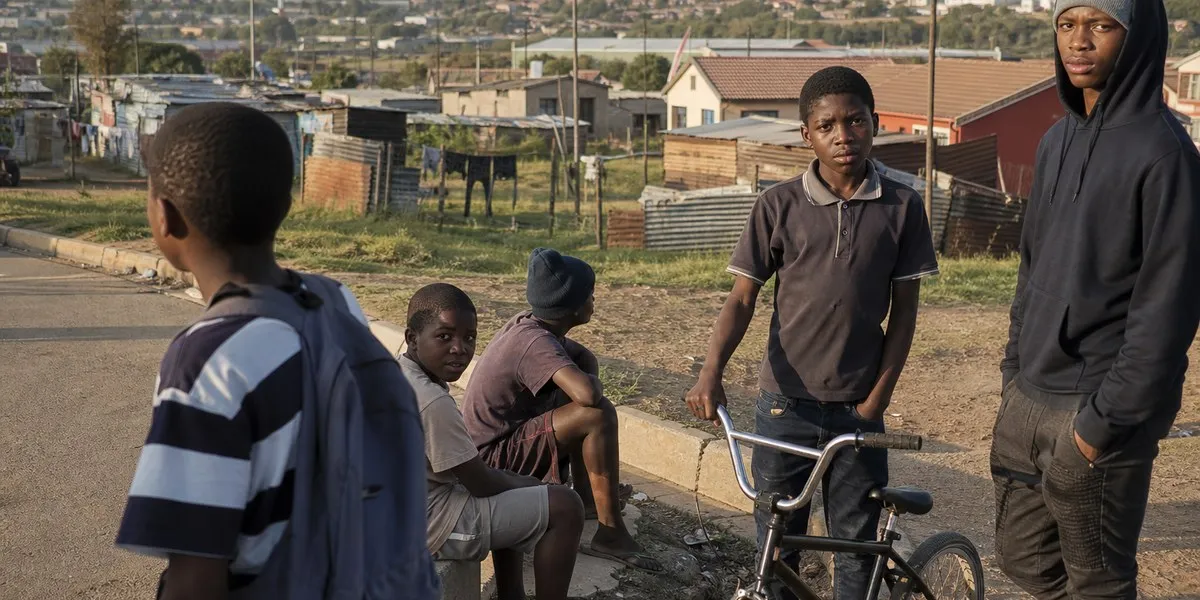
In South Africa, the development of adolescents’ identity, agency and social connections was identified as one of the ten priorities of the National Strategy to Accelerate Action for Children (NSAAC), which the Cabinet approved at the end of 2025. As Daily Maverick reports, the document recognizes the importance not only of young people’s personal resources but also of support from families, peers, communities and public services.
Living conditions in townships
South African townships were shaped by apartheid, migration and spatial planning policies. In many of them, especially on the outskirts of cities, formal housing coexists with informal settlements. Residents of such areas may face inadequate public services, intergenerational poverty and crime.
For young people in these communities, pathways to opportunities are often limited, and persistence alone is usually not enough to find them. The publication names crime, violence, adverse urban environments, poverty, substance use, street life, gang activity, academic pressure, and exclusion from education or employment among the factors complicating adolescent development in the country.
More current news is available on the UA.News Telegram channel Telegram.
Support and resilience
A resilient identity, according to the approach outlined in the article, means not only understanding oneself, the ability to act and a sense of purpose. It also involves understanding whom one can turn to for support and trusting that such help will have a positive outcome.
Personal resources, including a sense of self-worth, persistence and agency, are developed and sustained through interaction with caring people and accessible services. Research on resilience in South Africa cited by the publication indicates that adolescents experiencing high levels of stress who rely solely on their own strength remain vulnerable to psychological distress, risky behaviour and other negative outcomes.
By contrast, combining personal resources with support from family and peers, as well as the availability of welcoming spaces, is associated with better well-being among young people. The Hold My Hand campaign, which promotes the NSAAC goals, calls for a whole-of-society approach to protecting and supporting the development of adolescents’ identity.


