
South Africa approves textbook catalogue for Grades 1–3 — TimesLIVE
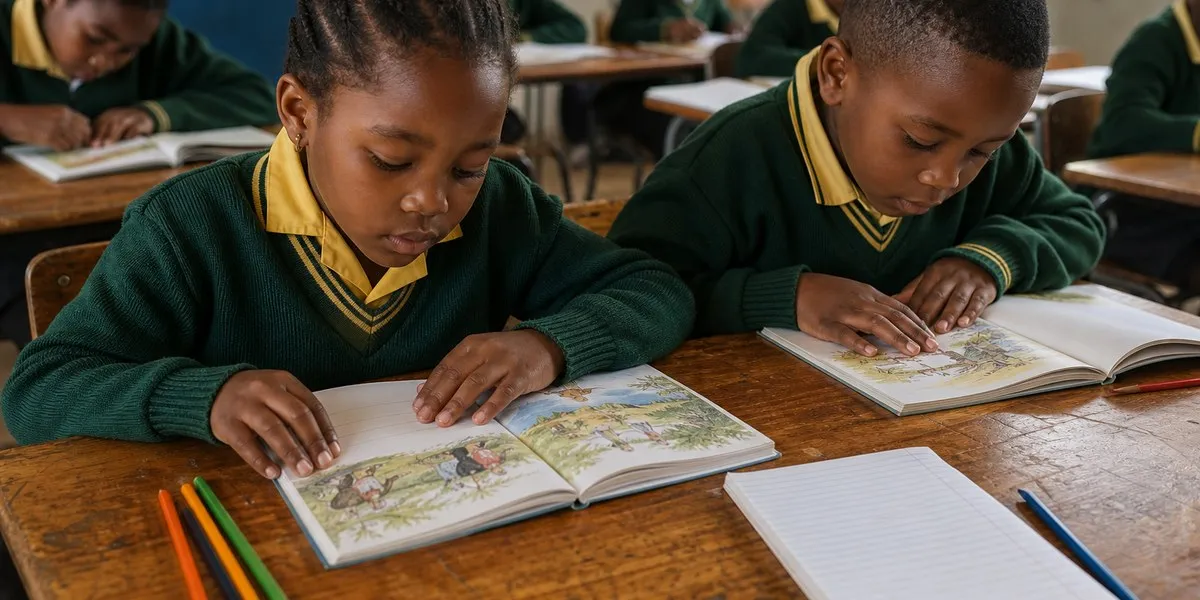
In South Africa, provincial education departments have been allowed to order textbooks from a new primary school catalogue after it was approved by the Council of Education Ministers. The catalogue updates the list of approved books for Grades 1–3 and is part of the basic education department’s efforts to improve reading and numeracy skills among younger pupils.
As TimesLIVE reports, the previous catalogue was last updated 15 years ago. The new list came under close scrutiny after it emerged in April that a significant share of titles had gone to a new publisher with no previous experience.
Review of the selection procedure
The Council of Education Ministers, chaired by Basic Education Minister Siviwe Gwarube, approved the catalogue on Friday. It includes provincial members of executive councils responsible for education, heads of provincial education departments, and senior officials.
More current news is available on the UA.News Telegram channel Telegram.
The Department of Basic Education said the integrity of the procedure for selecting books and publishers had been confirmed by a three-tier review. It included an assessment by the auditor-general, an independent investigation, and conclusions by the internal legal service and an external senior counsel. According to the department, the reviews found no fraud or favouritism and provided no grounds for cancelling the catalogue.
Expected savings
The department said the new catalogue contains updated materials aligned with the curriculum and strengthens resources for teaching reading in the lower grades. Each grade is provided with 40 reading books, while each pupil will receive a basic reading book. The number of titles on the list was reduced from eight to three in order to focus teacher training and support.
The catalogue also provides materials for newer subjects, including coding and robotics. The department estimates that its implementation will cost 1.6 billion rand, compared with 4.6 billion rand for the old catalogue, saving the government 3 billion rand. The department explained that coordinated procurement would enable publishers to print larger runs simultaneously and reduce costs.


