
South Africa sets CITES quotas for hunting trophy exports
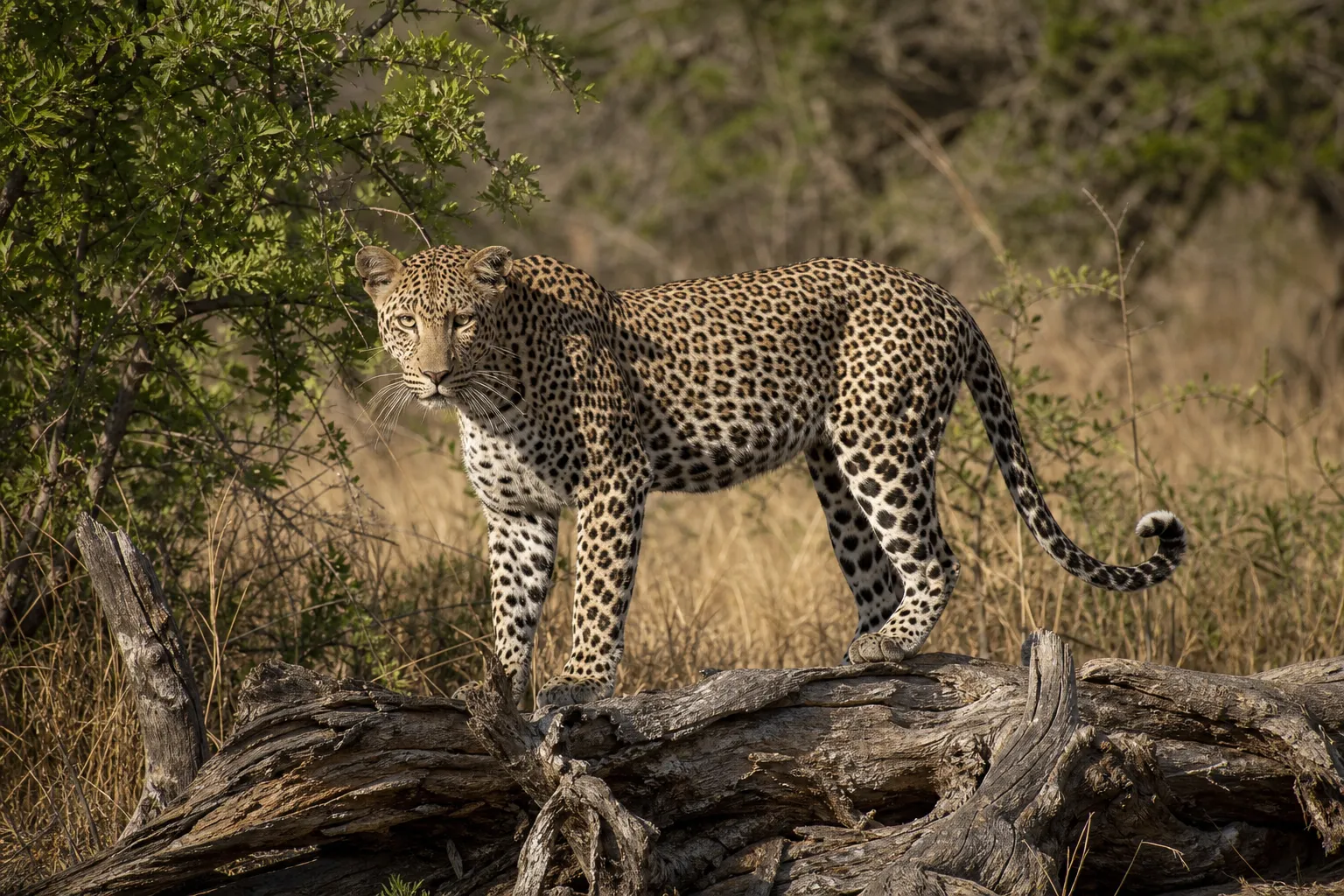
On August 31, 2026, South Africa published Government Notice No. 7867, which establishes CITES quotas for the export of hunting trophies of elephants, black rhinos and leopards for 2026–2027. As Daily Maverick reports, the document allows the annual export of trophies from up to 150 elephants. The quota for black rhinos is 11 trophies in both 2026 and 2027, while for leopards it is 11 trophies in 2026 and 10 in 2027.
Questions over the justification for the quotas
The columnist notes that the quota for leopard trophies was published three days after a draft National Leopard Conservation Strategy and Action Plan was opened for public consultation on August 28. In the author's view, this sequence of events raises questions about the scientific basis for the decision and whether public submissions were taken into account.
The column also states that the latest published Non-Detriment Finding assessment for leopards dates back to May 2015. According to the author’s account, it classified legal trade and the export of trophies as a high risk to the survival of leopards in South Africa. At the same time, the list of latest findings published in March 2026, according to the author, did not include an assessment concerning leopards.
More current news is available on the UA.News Telegram channel Telegram.
Criticism of the procedure
The author links the establishment of the quotas to other changes in wildlife management. In particular, in July, the Department of Forestry, Fisheries and the Environment published draft guidelines on managing damage-causing animals. The column argues that replacing mandatory national norms and standards with guidelines could weaken the legal force of rules for wildlife protection and management.
Separately, the author raises the issue of a potential conflict of interest involving Dr Janetta Selier, a senior scientist at the South African National Biodiversity Institute who heads the Scientific Authority function. According to the column, the Professional Hunters’ Association of South Africa presented her with the Wildlife Utilisation Award in 2025. The author calls for the disclosure of conflict-of-interest declarations, monitoring data and the scientific models on which the quotas are based.
Minister of Forestry, Fisheries and the Environment David Maynier took office on July 1, 2026, after the quota-setting procedure had already begun. The columnist believes that publishing the scientific and legal grounds for the decision could increase the transparency of the process.




