
In South Korea, only 1.2% of foreigners with disabilities have access to eight support programs
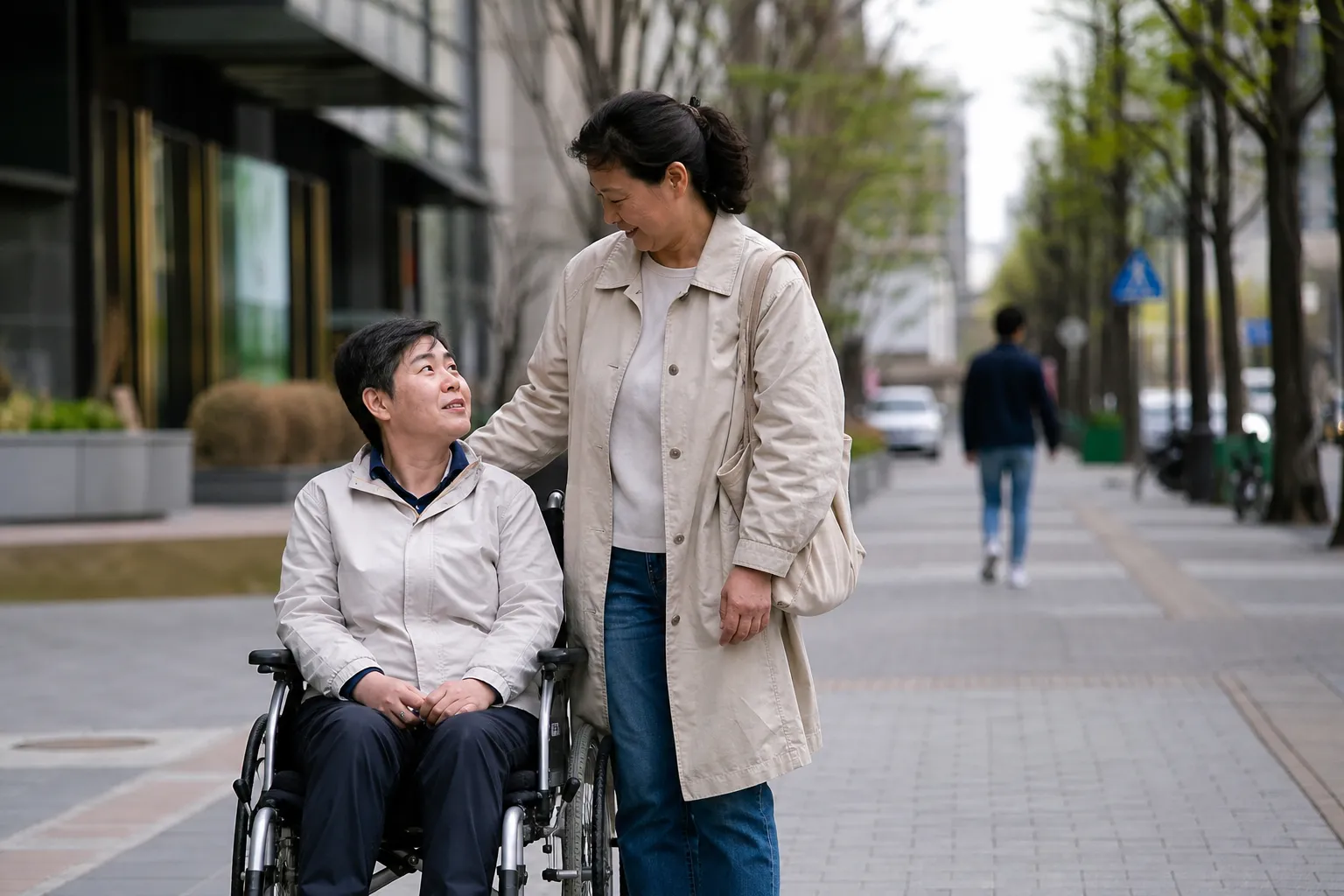
In South Korea, nearly 99% of registered foreigners with disabilities are unable to qualify for participation in eight key state social support programs. Of the 9,703 such people registered as of June, only 113 people, or 1.2%, were eligible to participate in the programs, Korea Herald reports, citing Health Ministry data obtained by Seo Mi-hwa, a lawmaker from the Democratic Party of Korea.
Who is eligible for the programs
Access to the programs is mainly available to recognized refugees, people with special residence status granted for contributions to Korea’s development or in the public interest, as well as their family members. Permanent residents, marriage migrants and most other foreigners are not eligible, even if they have settled in the country and are registered as persons with disabilities.
The eight programs include three types of financial support: a disability pension, assistance for adults with mild disabilities, and payments for children with disabilities from low-income families. Another five programs provide care and rehabilitation, including personal assistant services, daytime and after-school programs for people with developmental disabilities, rehabilitation services for children, and integrated assistance for people with severe developmental disabilities.
More current news is available on the UA.News Telegram channel Telegram.
The number of registered people is growing
Ethnic Koreans from other countries accounted for the largest share of registered foreigners with disabilities, at 62.1%. Permanent residents accounted for 20%, marriage migrants for 9.2%, and recognized refugees for 1.2%.
The restrictions also apply to children with disabilities, creating an additional burden on their families. The issue was raised during a parliamentary audit in 2023, when lawmakers compared Korean restrictions with the rules in Germany and Sweden, where some benefits are available to foreigners with valid residence permits.
Over four and a half years through June, the number of registered foreigners with disabilities in South Korea rose by 69.9%, to 9,703 people. Seo Mi-hwa called on the government to remove citizenship-based barriers to accessing support and find solutions in line with international human rights standards and recommendations issued by the UN Committee on the Rights of Persons with Disabilities in 2014 and 2022.




