
In Poland, the Pendolino reached a speed of 253 km/h during testing
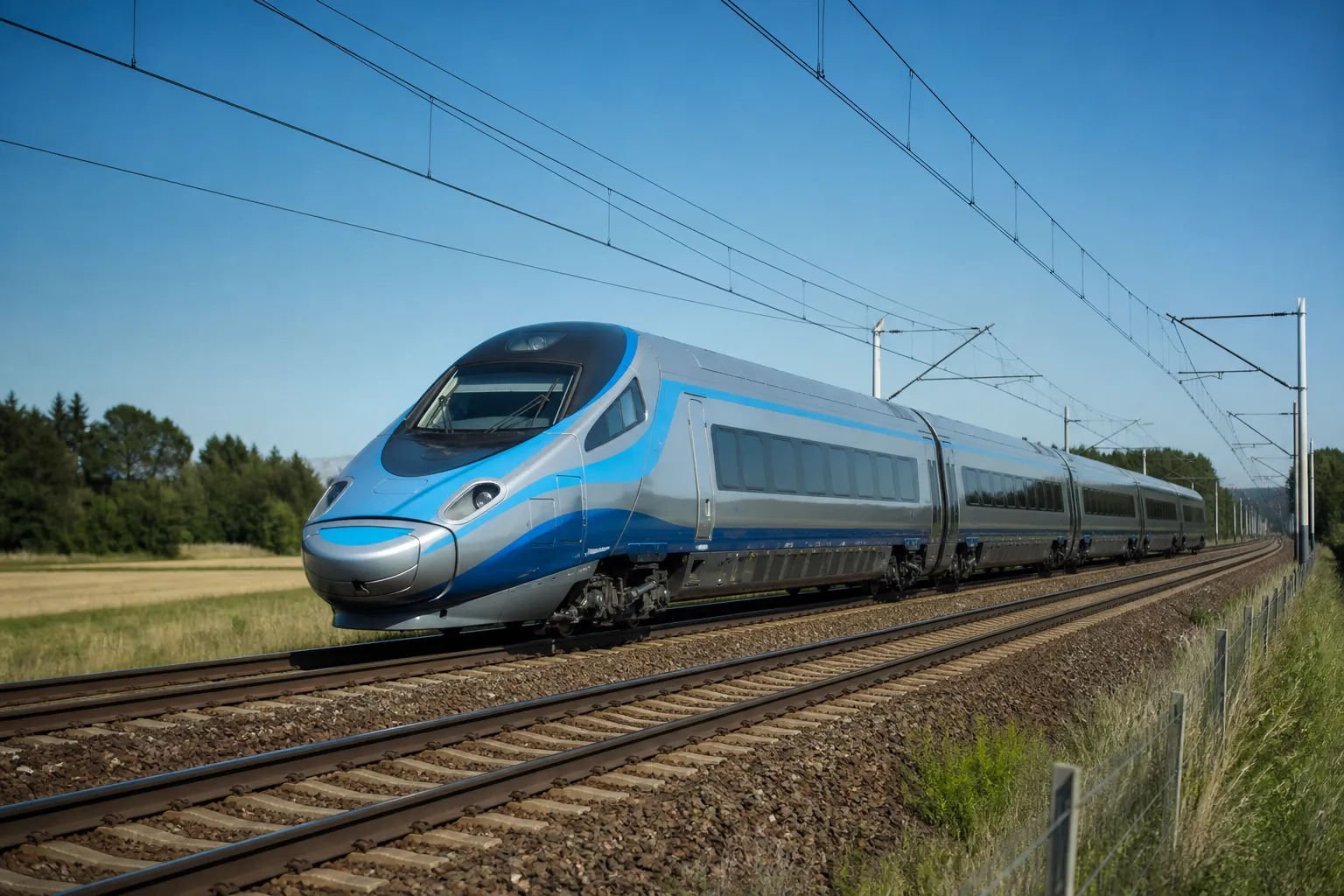
In Poland, a Pendolino train reached a speed of 253 km/h during testing. The tests were conducted as part of preparations to increase the speed of rail service between the country’s largest cities, according to Notes from Poland.
Tests of the GSM-R data transmission system, designed to operate at very high speeds, took place Monday night. Starting in December 2027, trains on the Central Main Line (CMK), which connects Warsaw with Kraków and Katowice, are scheduled to run at a speed of 250 km/h.
According to the specialized website Portal Kolejowy, this should reduce the travel time between Warsaw and Kraków by about half an hour—to 1 hour and 52 minutes. The trip from the capital to Wrocław is also expected to take about three hours, whereas currently the fastest connection takes 3 hours and 30 minutes.
For more breaking news, follow the UA.News Telegram channel.
Polish Infrastructure Minister Dariusz Klimczak stated that a speed of 250 km/h is just the beginning, mentioning further plans to launch trains traveling at speeds of up to 320 km/h. Maciej Kaczorek, a member of the board of PKP Polskie Linie Kolejowe—the state-run railway infrastructure operator—called reaching the target speed a significant milestone for the Polish railways.
Poland has been operating Pendolino trains manufactured by the French company Alstom since 2014. They are designed for speeds of up to 250 km/h, but currently operate at a maximum speed of 200 km/h on routes connecting Warsaw, Kraków, Wrocław, and the Tri-City. This result is not a record: in 2013, a Pendolino reached a speed of 293 km/h during a test on the CMK line.
The Polish government also plans to build 2,700 km of track capable of supporting trains traveling at speeds of up to 320 km/h. In December 2025, PKP Intercity announced a tender for 20 such trains. Deputy Minister of Infrastructure Piotr Malepszak told the Polish Press Agency in June that by 2040, they could reduce the travel time between Warsaw and Gdańsk to approximately 100 minutes, down from the current 2 hours and 25 minutes.


