
Seoul discusses the future of reading in the age of artificial intelligence
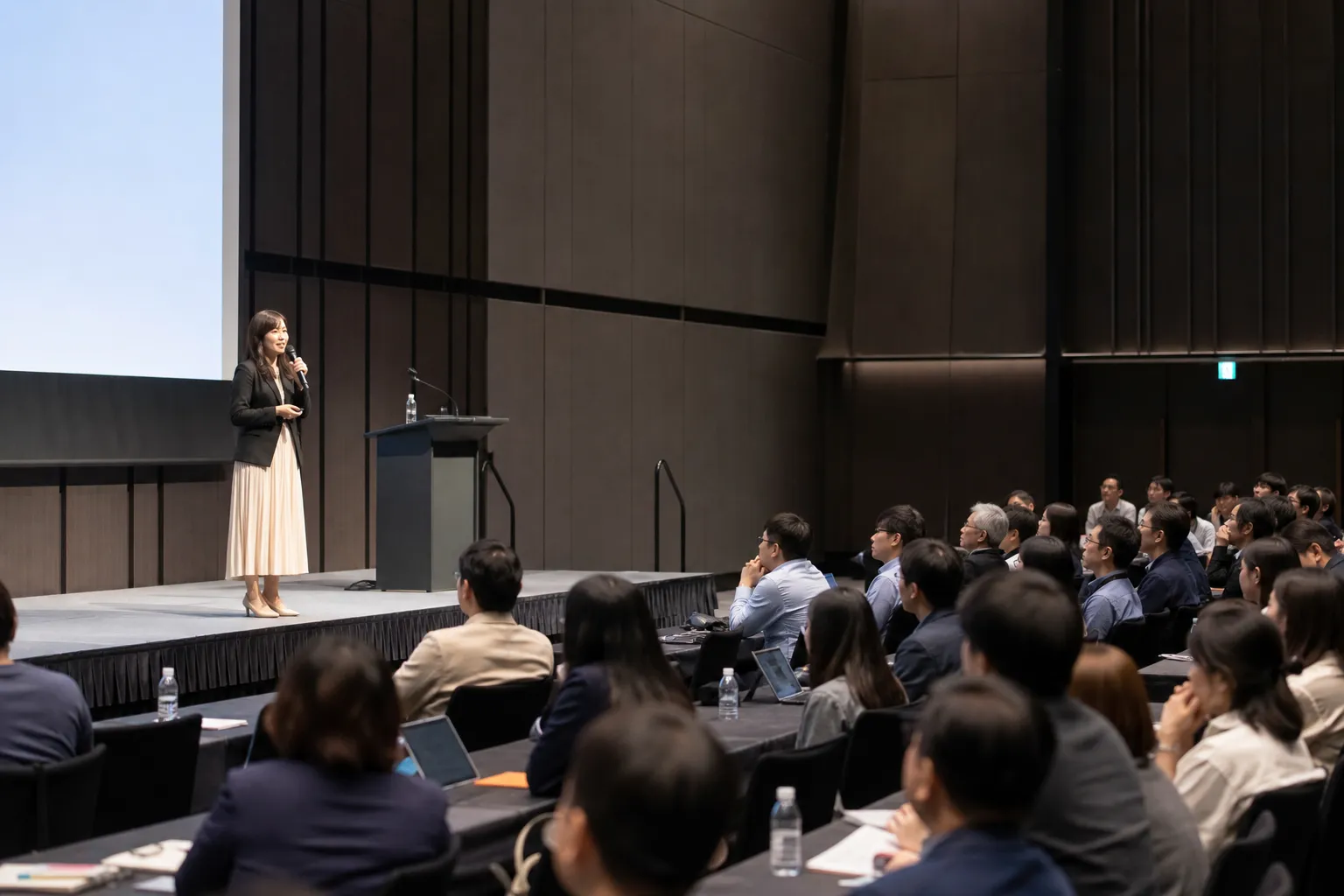
At the “Future of Reading” conference in Seoul, dedicated to the 10th anniversary of the digital service Millie’s Library, experts discussed how artificial intelligence is changing the ways people search for information and the role of books. Chung Jae-wook, CEO of the platform, said that the format of reading will change, but the practice of reading itself will not disappear, Korea Herald reports.
According to Chung, AI generates answers, while reading encourages people to ask new questions. In his view, AI and wearable technologies can make reading a more social and interactive experience, help readers better identify their own preferences, and build connections among people of different ages, from different regions and language environments.
Founded in 2016, Millie’s Library provides subscribers with access to e-books and other content. According to data released by the platform, its audience has exceeded 10 million subscribers, who have collectively spent more than 19.87 billion minutes reading. On average, one user reads 6.8 books per month.
Data, AI and human judgment
Anna Rosling, co-founder of the Gapminder Foundation and co-author of the book “Factfulness,” noted that people often assess the state of the world through established assumptions rather than on the basis of data. According to her, respondents in different countries systematically underestimate humanity’s progress in literacy, education, access to basic needs and income levels, while overestimating technological development.
More current news is available on the UA.News Telegram channel Telegram.
Rosling cited test results involving questions about global development: several artificial intelligence chatbots scored more than 80% correct answers, while only 17% of people achieved a result better than random guessing. In her view, AI can help gather information, but people must still make sense of it, analyze it and make considered decisions.
Reading as training for the imagination
Cognitive psychologist and Ajou University professor Kim Kyung-il emphasized that reading is becoming less about obtaining information and increasingly about the ability to combine knowledge. He explained that books leave a space that readers fill with imagination, unlike video content presented in a finished form.
According to the psychologist, reading literature encourages people to constantly draw conclusions and establish connections between images and ideas that may seem unrelated at first glance. The ability to go beyond established patterns, he added, is an important human advantage at a time when AI is becoming increasingly capable of processing knowledge and recognizing patterns.


