
In Singapore, long-term support named key to preventing recurrent hoarding — Channel NewsAsia
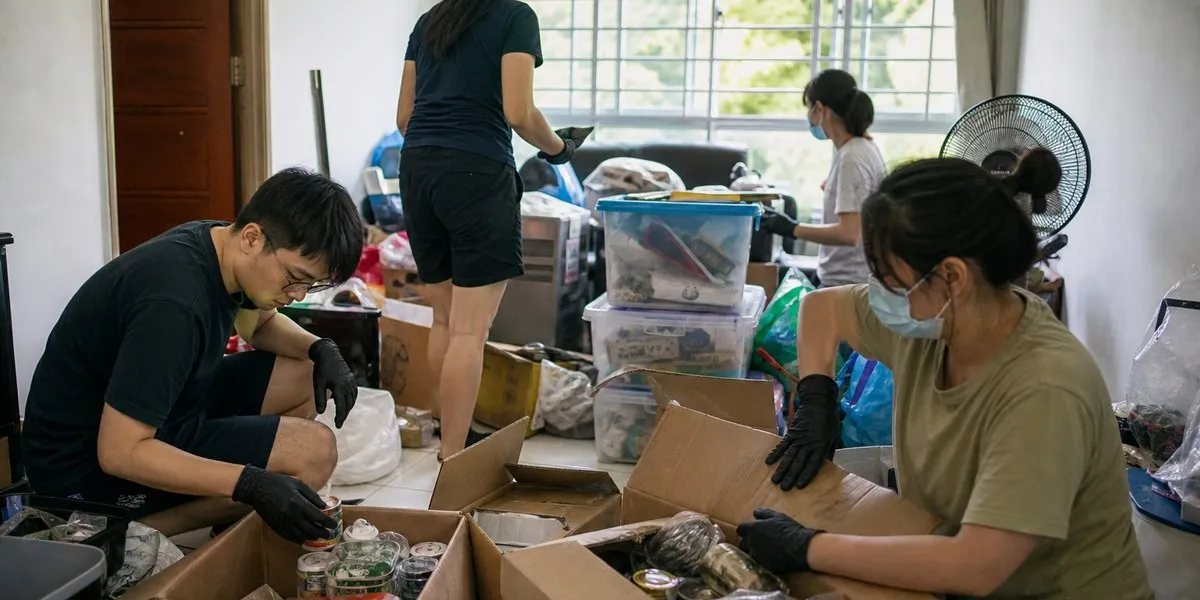
In Singapore, charitable and social organizations said that long-term community support and regular contact with people prone to such behavior are needed to prevent recurrent excessive accumulation of belongings in homes. According to Channel NewsAsia, clearing a cluttered home can take several days, but follow-up support is important for lasting change.
Social service agency Montfort Care said that about 60% of the hoarding cases handled by its three family service centers involve a recurrence of this behavior. The organization’s assistant director, Jinny Teo, noted that an overly coercive or formalized approach to clearing homes can cause anxiety and resistance among residents.
Gradual clearing of homes
Teo emphasized that it is important for specialists to understand the personal value a person assigns to their belongings and to agree on small, gradual steps — for example, clearing one part of a home at a time. Chris Tan Ze Jia, a senior consultant at the Institute of Mental Health, also warned that completely clearing a home in one day can cause a sense of acute loss and trigger renewed hoarding.
Clinical psychologist Sarah Ann Lee of The Psychology Practice explained that objects may have not only practical or material value for people, but can also create a sense of stability and security. According to her, keeping possessions can sometimes help people cope with anxiety, grief, or a sense of loss.
More current news is available on the UA.News Telegram channel Telegram.
The role of trust and community
Representatives of the organizations believe that trust is an important condition for providing help. People prone to excessive accumulation of belongings may fear judgment and have strained relationships with relatives, friends, or neighbors. Therefore, specialists advise starting with conversations and learning about a person’s life circumstances and experiences rather than immediately demanding that they get rid of their belongings.
Michael Sim, founder of the charitable initiative AMKSS Social Move, said that his organization is working with about 20 active cases and has at least 30 referrals in the queue. According to him, about half of cases previously recurred, but after introducing weekly contact and broader community involvement, this figure among the organization’s beneficiaries fell to less than 5%.
AMKSS Social Move is part of the New Environment Action Team — a team of 28 organizations created in 2025 to coordinate work on the problem of excessive accumulation of belongings. The initiative brings together social services, community groups, and private organizations.


