
174 ecosystems in the Western Cape are under threat — Daily Maverick
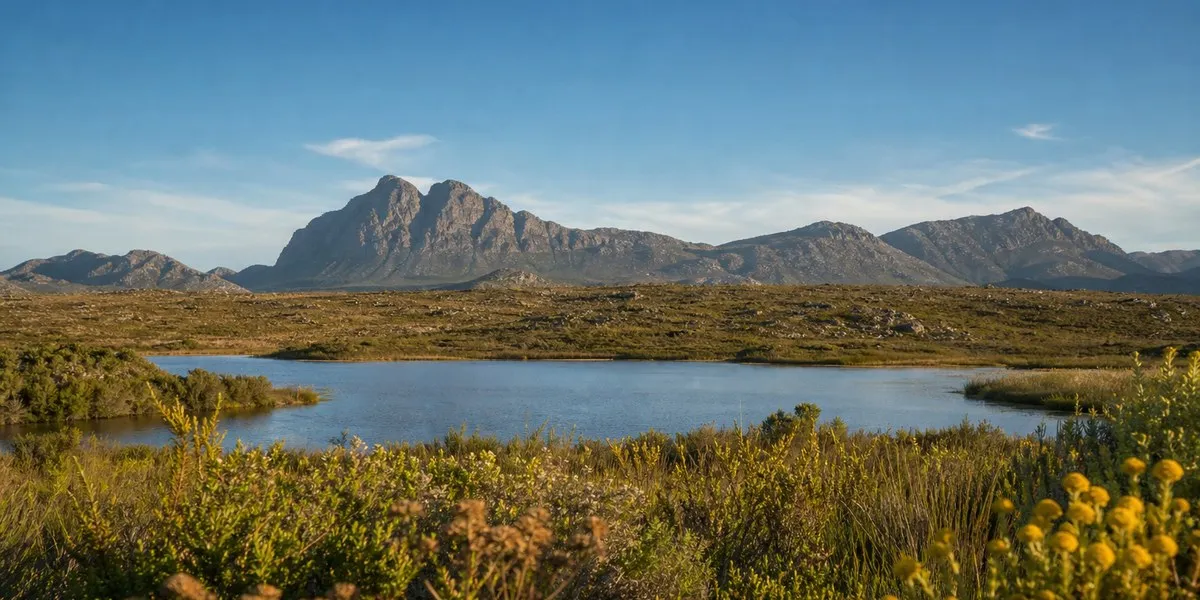
In South Africa’s Western Cape province, 174 terrestrial ecosystems are under threat, including 42 that are critically threatened. These figures are contained in a new CapeNature report on the state of nature in the region, Daily Maverick reports.
The document also states that among freshwater systems, 29 are critically endangered, 27 are endangered and 23 are vulnerable. This assessment covers 64 rivers, 32 wetlands and six strategic water resource areas. Among estuaries, 22 are classified as endangered, 23 as vulnerable, while nine are listed as being of least concern.
Plants and animals under pressure
The situation for plants is particularly difficult: 297 species were classified as critically endangered, 688 as endangered and 981 as vulnerable. The Western Cape province contains nearly half of South Africa’s floral diversity, with many plants not found beyond its borders.
The status of 31 waterbird species deteriorated over one year. At the same time, the populations of birds of prey, coastal seabirds and terrestrial species increased. The status of the riverine rabbit changed from critically endangered to endangered, which is linked to its protection at Sanbona Wildlife Reserve.
More current news is available on the UA.News Telegram channel Telegram.
Illegal harvesting of plants, especially succulents, increased sharply after 2020. Between 2021 and 2024, species of the genus Conophytum predominated among confiscated plants. Fires became a separate problem: 29 fires were recorded in the 2025/26 season, more than three times the 25-year average. According to the report, most of them were caused by people.
New reserves and discoveries
Over the year, CapeNature declared 25 new nature reserves, bringing 44,233 hectares under protection. Another seven areas could add approximately 20,000 hectares once the paperwork is completed. Around 7,000 hectares in the Berg River area were cleared of invasive vegetation.
A new fish species, Pseudobarbus outeniqua, the beetle Colophon scholtzi and a previously undescribed plant, Moraea anastasia, were also discovered. The latter was found on Botmaskop Mountain near Stellenbosch after a pine plantation was cleared; the report has already classified it as critically endangered.




