
Ukraine is already facing energy challenges that Europe is only simulating – Shmyhal
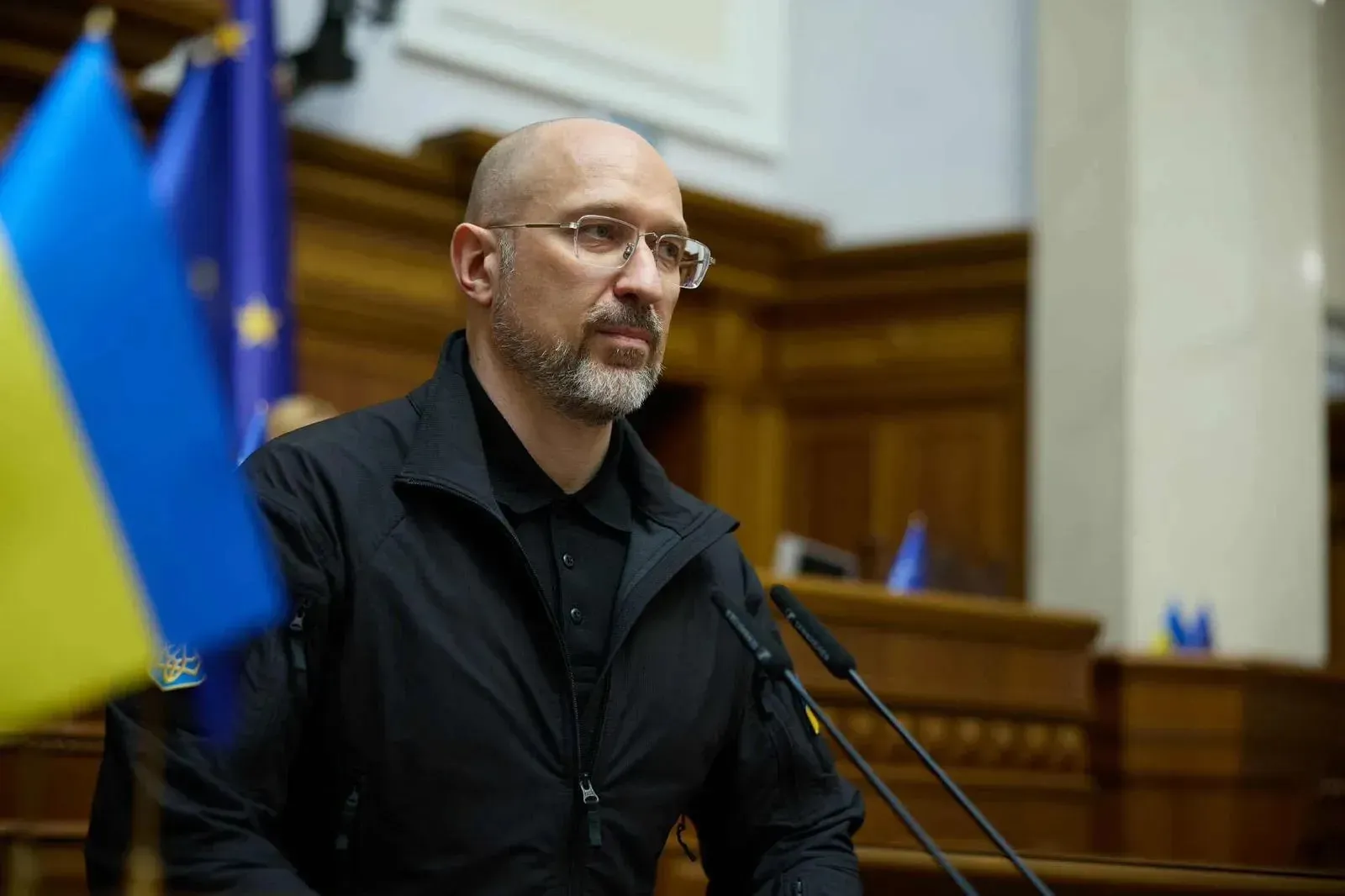
Ukraine is already facing the challenges in the energy sector that Europe is currently mostly only predicting and modeling, Prime Minister Denys Shmyhal said on May 19 in Berlin. According to him, Ukraine’s experience is shaping practical solutions in the field of energy security that could be useful for other European countries in the future.
This was emphasized by First Deputy Prime Minister and Minister of Energy Denys Shmyhal during the international conference “Energy Security – Lessons from Ukraine” on Tuesday in Berlin, according to a Ukrinform correspondent.
“We are already facing challenges that Europe is only simulating at this point. We are already developing solutions that Europe may need tomorrow,” Shmyhal said.
He emphasized that “Ukraine’s experience in the energy sector must now extend beyond Ukraine’s borders,” as energy is now “a matter of European resilience.”
“The next shock could come from various sources: drones that can now travel thousands of kilometers, terrorist networks, maritime chokepoints, or technologies that don’t even have a name yet,” the minister stated.
According to him, the question is not “whether a crisis will occur,” but “how the system will behave under pressure.”
Shmyhal emphasized that Russia has turned energy infrastructure into one of the main targets in the war against Ukraine, and an attack on the energy sector is effectively an attack on the state’s ability to function. According to him, the energy sector “is no longer a separate sector or a thing in and of itself.” “It is the operational foundation of the state. It is a system of systems. Without electricity, there is no production; without heat, there is no social stability; without networks, there is no governance,” the official noted.
He emphasized that modern European energy policy was built around “the market, efficiency, and integration,” but “that condition no longer exists”: “Risks have become a constant factor. Uncertainty has become the baseline.”
Shmyhal also stated that Ukraine was forced to rethink the architecture of energy security. According to him, the first lesson is that “resilience must become an engineering category,” and protection is now being integrated into the system “as one of its key properties.”
He cited “distributed resilience” as another important lesson. “Traditional energy systems were built around concentration. But in conditions of heightened risks, this model needs to be changed. It is being replaced by a system of energy hubs, where each element is capable of operating with a certain level of autonomy,” stated the First Deputy Prime Minister and Minister of Energy.
Earlier, Shmyhal announced the construction of 1.3 GW of new generation capacity in Ukraine.
Ukraine continues to expand its participation in international security forums and is cooperating with countries under attack by the Iranian regime.
President Volodymyr Zelenskyy stated that Russia’s massive attack on April 1 was a response to Ukraine’s initiative for a ceasefire on Easter.
On Wednesday, April 1, Ukrainian President Volodymyr Zelenskyy held strategically important talks with key representatives of the U.S. administration—Steve Witkoff and Jared Kushner.


