
Ukraine has called for the closure of Russian Houses in all countries
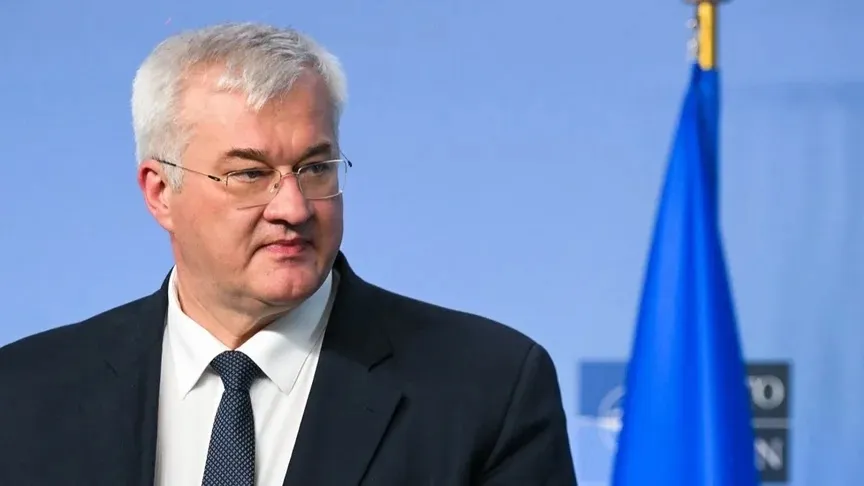
Ukraine has called on the governments of other countries to close the “Russian House” centers. Kyiv is urging them to recognize the network as a threat to national security.
Ukrainian Foreign Minister Andriy Sibiga wrote about this on the social media platform X.
“Russia is waging a global battle for people’s minds, using an extensive network of tools and channels, including ‘Rossotrudnichestvo’ and cultural centers known as ‘Russian House.’ In fact, they serve as tools for disinformation, destabilization, and espionage,” the head of Ukrainian diplomacy emphasized.
He noted that the Ukrainian side, in its statement, presented arguments in favor of restricting the activities of this network and completely closing these centers, and stressed that “the cognitive dimension of modern warfare cannot be underestimated.”
“We welcome the measures taken by authorities in various European countries to block the activities of these networks, particularly in Germany, where the ‘Russian House’ was closed yesterday in Berlin after years of its destructive influence,” Sibiga noted.
The foreign minister stressed that despite the wave of closures, some of these disinformation centers continue to operate in at least seven European countries, and added that the scale of this network’s activities in Africa, Central and East Asia, the Asia-Pacific region, and South America is even greater.
Sibiga explained that in a number of countries, the official infrastructure of this network remains intact, while in some states, “Russian House” is integrated into Russia’s diplomatic infrastructure.
“Our common European home is no place for ‘Russian Houses’ that spread military propaganda and actively work to undermine peace in Europe,” the Ukrainian minister emphasized.
Prior to this, Sibiga thanked Trump for signing the harsh sanctions against Russia.
As a reminder, on September 18, U.S. President Donald Trump signed a law imposing sanctions against Russia as an aggressor state.
Following the signing of the “severe sanctions” bill, its practical implementation will become a key issue. In particular, the legislation allows for the imposition of tariffs of up to 100% on imports from countries that purchase significant volumes of Russian energy resources or facilitate the circumvention of sanctions.
Earlier, the U.S. imposed sanctions against the Iranian cryptocurrency exchange BitBank, which is controlled by Babak Zanjani, an Iranian financier subject to sanctions.


