
ACT government rejects pause in data centre development
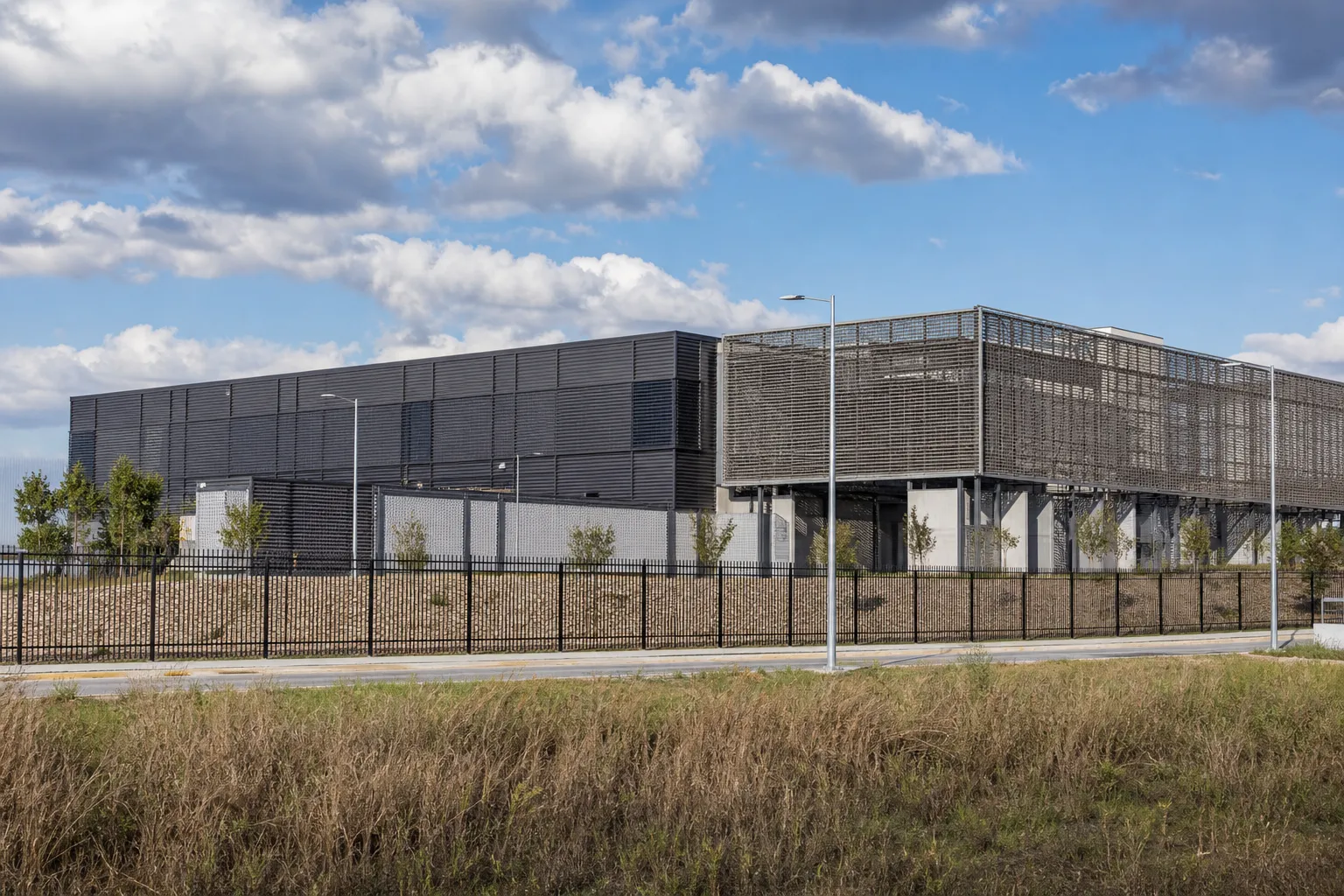
The Australian Capital Territory (ACT) government has not supported a proposal to pause the development of new data centres in Canberra until nationwide rules are introduced for large facilities related to artificial intelligence. As ABC News Australia reports, ACT Chief Minister Andrew Barr said existing local planning, environmental, utility and regulatory requirements already align with the federal government's intentions for new standards.
Last month, Australia's federal government said that large AI data centres could in future be required to minimise water use, guarantee the creation of new generation capacity and fully pay for connection to the electricity grid. Following this, community groups and the Greens called for a moratorium on the construction of large data centres until the new rules are introduced.
Current assessment system
Barr stressed that applications to build data centres will be considered within the existing ACT planning system, as are other projects. According to him, each application is assessed individually and must comply with planning, environmental and regulatory requirements.
More current news is available on the UA.News Telegram channel Telegram.
Local rules allow data centres to be located in industrial and service areas, as well as on large sites outside urban development, provided they comply with planning rules and complete approval procedures. The ACT government estimates that Canberra already has 15 data centres. Proposals have also been submitted for a new facility in Beard and the possible expansion of another centre in Hume.
Energy and cooling
CDC Data Centres has eight data centres across four sites in the ACT and employs about 250 people. Its facility in the industrial suburb of Beard, which is still being fitted out, will have a capacity of 40 megawatts once completed. By comparison, the highest recorded peak electricity demand in the ACT last year was 732 megawatts.
CDC Data Centres chief executive Greg Boorer cited Canberra's cool climate, proximity to the federal government as a major customer, renewable electricity, connectivity and a skilled workforce as advantages. According to him, local opposition to data centres has been less noticeable than in other regions, partly because of closed-loop cooling systems that do not draw water from local supplies and investments in renewable generation.


