
Teenage pregnancies rise in Adaklu, Ghana — MyJoyOnline
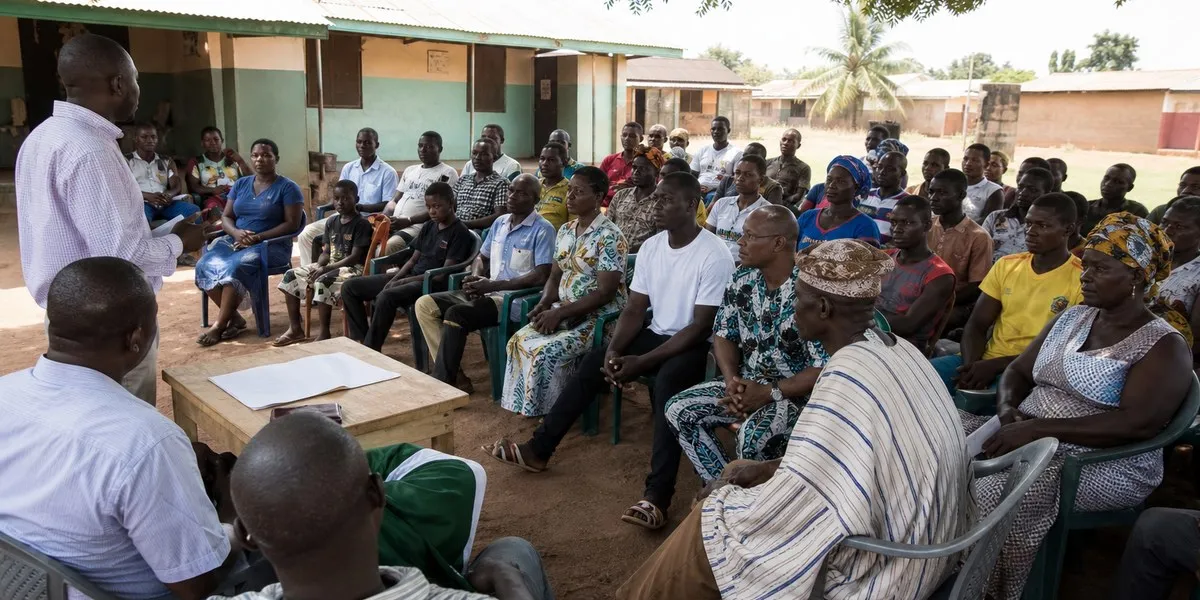
In Ghana’s Adaklu District, 120 teenage pregnancies were recorded in 2025 — 11 more than a year earlier. According to the district health directorate, the registered cases included four pregnancies among girls aged 10 to 14 and 116 in the 15–19 age group.
In 2024, 109 teenage pregnancies were recorded in the district: three among girls aged 10–14 and 106 among girls aged 15–19. These figures have heightened concerns about adolescents’ vulnerability, despite the work of health services and community organizations in reproductive education and child protection.
Lack of communication in families
As MyJoyOnline reports, a baseline study conducted in Adaklu in 2021 linked teenage pregnancies to insufficient discussion of sexual issues between adolescents and their parents or guardians. Researchers also cited parental neglect and peer pressure among other factors.
According to the study, 87.5% of surveyed adolescents had never discussed sexual issues with their parents. At the same time, 12.5% of respondents said they had such conversations with their mothers.
More current news is available on the UA.News Telegram channel Telegram.
Support programmes for guardians
Friends of Adaklu, together with SOS Children’s Villages Ghana, is implementing a project in district communities funded by Norway through NORAD. The project’s child protection specialist, Roberta Donkor, said poverty is one of the main challenges for guardians: some lack the resources to provide children with basic necessities and schooling.
Under the programme, guardians receive grants ranging from 2,000 to 10,000 Ghanaian cedis to start or expand businesses. Child protection committees have also been established in the communities of Adaklu-Wumenu, Adaklu-Goeve, Adaklu-Wodze and Adaklu-Waya. Their members were trained to identify, handle and refer cases of abuse, violence and neglect to the relevant authorities.
Project manager Stella Kudah noted that the initiative focuses on improving communication between parents and children. Parents are encouraged to spend more time with their children, listen to them and correct behaviour without physical violence.


