
Conference participants in Accra call for reform of Africa’s aid system
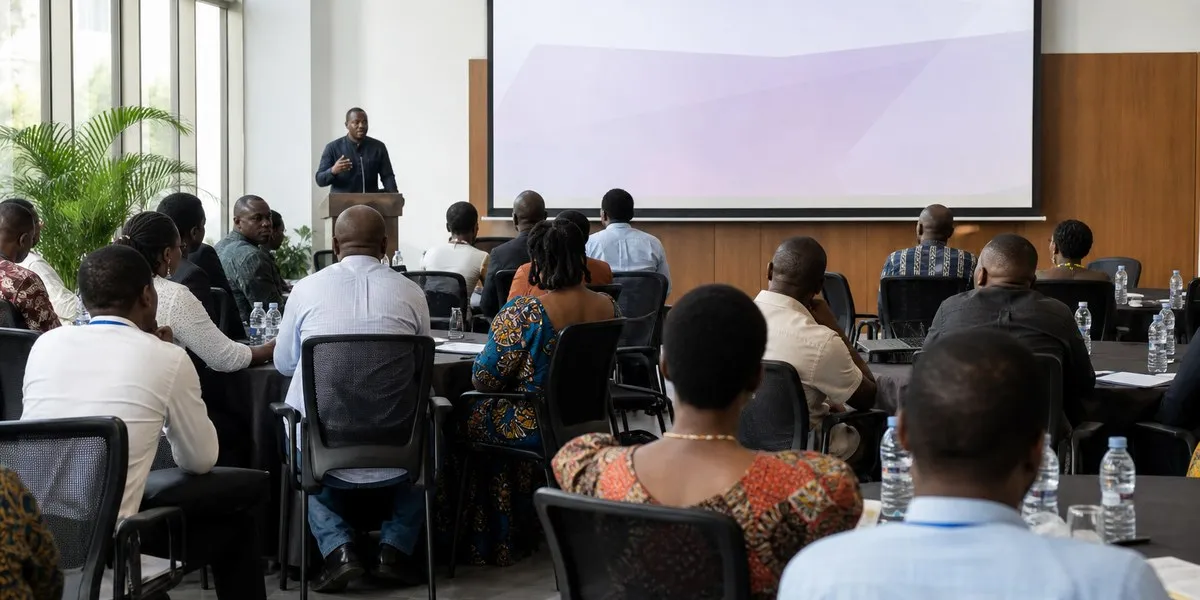
In Accra, Ghana, more than 200 representatives of civil society, donors, policymakers and experts from 30 countries discussed changing the system of international aid to Africa. Participants in the three-day Africa at the Centre: Leading Change, Shifting Power conference called for African organizations and communities to have greater influence over the allocation of funds and the setting of development priorities.
As Premium Times Nigeria reports, the event organizers believe that for decades foreign donors have exercised excessive control over which issues receive funding, how projects are designed and which indicators are used to assess their success. In their view, this has contributed to aid dependency, a lack of accountability and the implementation of unsuccessful projects.
Demand for flexible funding
Nana Afadzinu, executive director of the West Africa Civil Society Institute, said that changing the system should not be limited to replacing foreign money with other sources. According to her, donors should provide African organizations with flexible and core funding that would enable them to develop their own institutions rather than work exclusively within individual donor projects.
Nafissatu Sene, senior manager of Portfolio Services at African Collaborative, cited the example of a Kenyan organization that declined funding because the donor insisted on rapidly expanding its work into new communities. The organization decided to focus on deepening support for the communities it was already working with. Sene believes that a common position among African organizations could strengthen their influence in negotiations with donors.
More current news is available on the UA.News Telegram channel Telegram.
Seeking domestic resources
Oyebisi B. Oyebisi, executive director of the Nigeria Network of NGOs, said that the struggle for control over development funds is a struggle for the right to set funding conditions. He emphasized the need to strengthen domestic revenues and to secure their own loans and grants rather than rely predominantly on foreign aid.
Afadzinu, for her part, noted that African countries and organizations should more actively seek funds through local philanthropy, diaspora support, business and social entrepreneurship. Oyebisi cautioned that a greater volume of funds at the disposal of African governments requires improved tax systems, efforts against illicit financial flows and public oversight of budgets. He also expressed concern about the decline in independent funding for non-governmental organizations that monitor the activities of the authorities.
Tendisai Chigwedere, a representative of the U.S.-based William and Flora Hewlett Foundation, said that the foundation is developing long-term partnerships with local organizations and providing them with more flexible grants. According to the foundation, it awarded $631 million in grants in 2024, with nearly three quarters of that amount consisting of flexible funding.


