
Number of cases of intimidation of election candidates rises in England
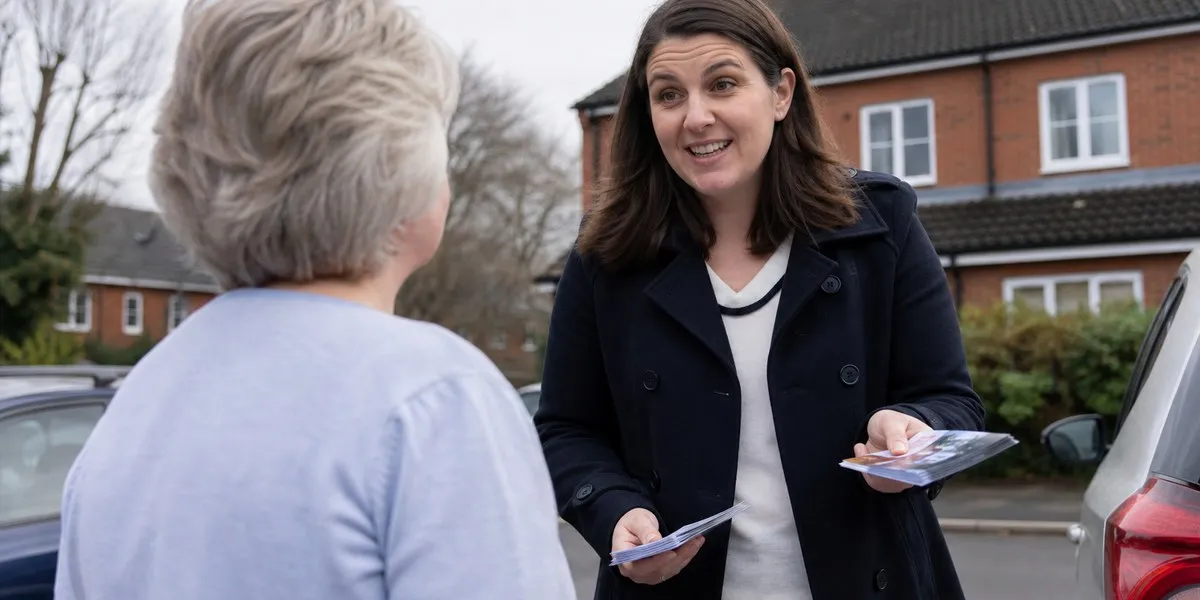
The number of cases involving abuse, harassment and intimidation of candidates who took part in this year’s local and mayoral elections has risen in England. The Electoral Commission called this trend a serious and worsening problem that is already affecting the behavior of election participants. As The Guardian reports, women, ethnic minorities and people with disabilities were most likely to face inappropriate behavior.
In the commission’s report, candidates described incidents of being spat at, as well as verbal and physical attacks. Around one-third of respondents said that harassment or intimidation could prevent them from standing for election again.
Data by party
Personal experience of inappropriate behavior, harassment or threats to safety was reported by 59% of Reform UK candidates and 54% of Labour Party candidates. The figure was 42% among Green candidates, 37% among independents, 26% among Conservatives and 22% among Liberal Democrats.
More current news is available on the UA.News Telegram channel Telegram.
Electoral Commission chief executive Vijay Rangarajan said the rise in abuse and intimidation was the body’s biggest concern. According to him, the problem is not directed at any one party, while the line between online and offline harassment is increasingly blurred.
Impact on campaigning
Seventy-nine percent of female candidates avoided campaigning alone at least once, compared with 46% of men. In addition, 57% of women avoided discussing controversial topics, compared with 32% of men. Rangarajan noted that such changes could limit voters’ face-to-face meetings with candidates.
The commission recommended that social platforms develop rapid-response protocols for online abuse of candidates, while political parties should urge their members to respect other campaign participants. At the same time, 94% of voters in England said they were satisfied with the voting process. More than half of respondents said they had seen election disinformation, while one in 10 had seen materials created using deepfakes.


