
Australia will mark the 60th anniversary of the indigenous workers' strike at Wave Hill
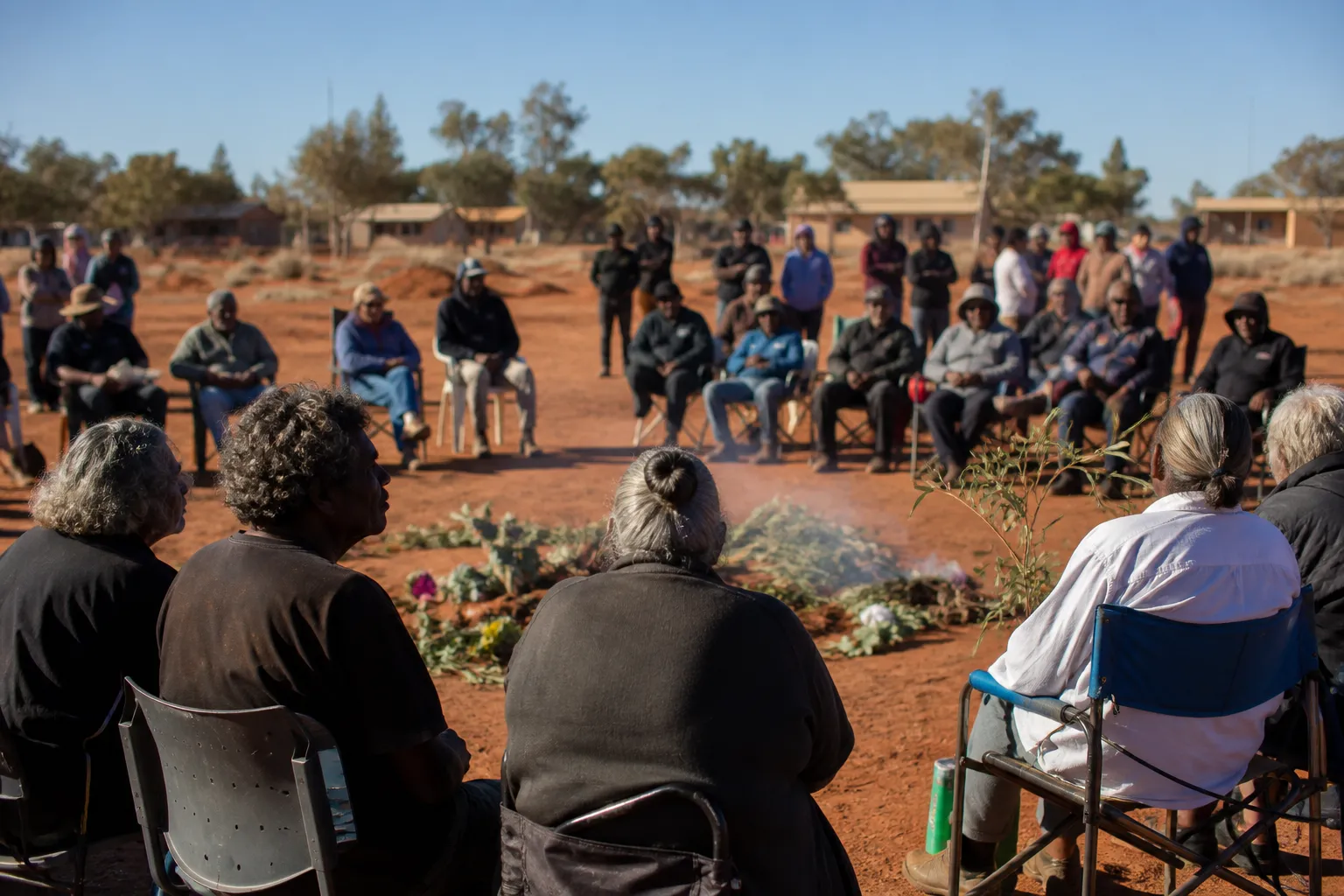
In the remote community of Kalkaringi in Australia’s Northern Territory, hundreds of people will gather to mark the 60th anniversary of the strike at Wave Hill Cattle Station. This event was a milestone in Indigenous peoples’ struggle for equal pay and land rights. In 1966, Gurindji leader Vincent Lingiarri led about 200 Indigenous cattlemen and domestic workers in walking off the station.
The protest was sparked by the station’s owner, Vestey Brothers, refusing to pay Indigenous workers the same wages as non-Indigenous workers. In March 1966, the Commonwealth Commission for Conciliation and Arbitration ruled to end wage discrimination at cattle stations, but the implementation of the changes was postponed for three years.
The Gurindja workers refused to wait and also advocated for the recognition of their traditional land rights. The protest escalated into a political struggle for Aboriginal land rights. In 1972, then-Prime Minister of Australia Gough Whitlam promised to finally establish Aboriginal land rights. In 1975, during a symbolic ceremony, he poured soil from the Lingiari country into his hands, and the following year, the federal government passed the Land Rights Act. The law allowed the traditional landowners of the Northern Territory to begin reclaiming their land rights through the courts.
Rob Roy, a Gurindji elder from Kalkarindji whose parents participated in the strike, called Wave Hill one of the key turning points in Australian history. According to him, the participants left the station due to harsh living conditions: they lived in tin shacks and received rations of flour, sugar, and tea instead of proper wages.
For more breaking news, follow the UA.News Telegram channel.
According to ABC News Australia, the recognition of land rights in the Northern Territory has resulted in the payment of over $3 billion in royalties to traditional owners, their land councils, and the Economic and Community Development Fund. The funds come from governments and companies for the placement of mines, railroads, pipelines, and other infrastructure on these lands.
Roy emphasized that communities continue to face challenges in the areas of healthcare, housing, and education. He would also like to see more young Indigenous people working on their own lands. In Kalkaringi, more and more young people are working as rangers, controlling weeds and feral animals, and engaging in conservation efforts.
John Mills, a former supervisor at Wave Hill Station, attributed the consequences of rapid change to unemployment among Indigenous people and the dependence of some communities on social benefits and royalties. The 2021 census showed that the employment rate among Indigenous people in Australia’s remote areas was 42 percent.


