
1,683 sea dragons found dead in Australia — ABC News Australia
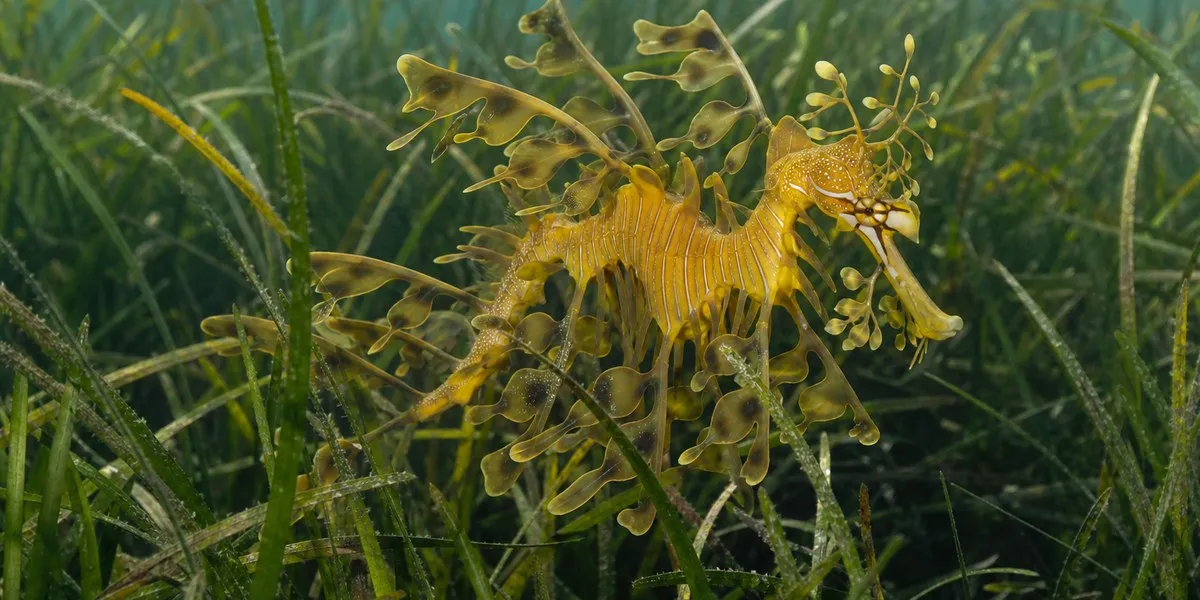
In South Australia, 1,683 sea dragons were found dead during a prolonged harmful microalgal bloom. A report by the Dragon Search SA initiative, which analyzed reports from community scientists, contains data on 1,524 dead weedy sea dragons and 159 leafy sea dragons. This was reported by ABC News Australia.
The study covered 1,540 reports uploaded by 253 people to the iNaturalist platform from January 1, 2025, to May 31, 2026. They concerned sea dragons, pipefish and seahorses. The harmful bloom first appeared in South Australian waters in early 2025. Encounter Bay, the gulfs of St Vincent and Spencer, Investigator Strait, and waters near Kangaroo Island were particularly affected.
Vulnerable gills
Sea dragons belong to the Syngnathidae family, whose members have small gill openings. These can become clogged with microalgae, and the fish are unable to quickly leave areas where the bloom is dense.
Deaths linked to the harmful bloom affected 13 species in this family, including pipefish and seahorses. The report recorded at least 787 deaths of brush-tailed pipefish, 574 spotted pipefish and 42 long-snouted pipefish. More than 160 short-headed seahorses were also recorded. Thousands of dead pipefish in seagrass wrack along the urban coast were not included in the count.
More current news is available on the UA.News Telegram channel Telegram.
Pipefish and seahorses were mainly found on the coast in the winter and spring of 2025, while dead sea dragons continued to be found from the summer of 2025 through the autumn of 2026.
Breeding and habitat restoration
University of Technology Sydney Professor David Booth said that sea dragons in South Australia enter their breeding season in October. Researchers are also considering taking egg-carrying males to a laboratory, where the eggs would hatch and the juveniles would be raised before being released into the sea. According to him, this could increase juvenile survival, but the outcome will also depend on habitat restoration.
Scientists point to significant losses of sponges, kelp and seagrass meadows. Projects to restore shellfish reefs are being implemented in the region, and the possibility of restoring about 6,000 hectares of seagrass meadows lost off the Adelaide coast since the 1950s is also being studied.
The full impact of the bloom on Syngnathidae populations remains unknown, as systematic population counts were not conducted previously. The International Union for Conservation of Nature classifies the weedy sea dragon as vulnerable and the leafy sea dragon as a species of least concern.


