
Australian woman with paralysis has rehabilitation funding cut
In Brisbane, Australia, the National Disability Insurance Agency (NDIA) reduced funding for physical therapy for 26-year-old April Coulson from six to two hours a week. The woman, who has paralysis following a spinal cord hemorrhage, says the decision contradicts the recommendations of medical specialists and has already affected her independence.
As reported by ABC News Australia, Coulson went to sleep as an active and independent teenager and woke up unable to move below her armpits. She spent six months in hospital, and subsequent examinations revealed rare vascular malformations in other parts of her body. Doctors suggested that a similar malformation may have caused the hemorrhage in her spinal cord.
Rehabilitation and work
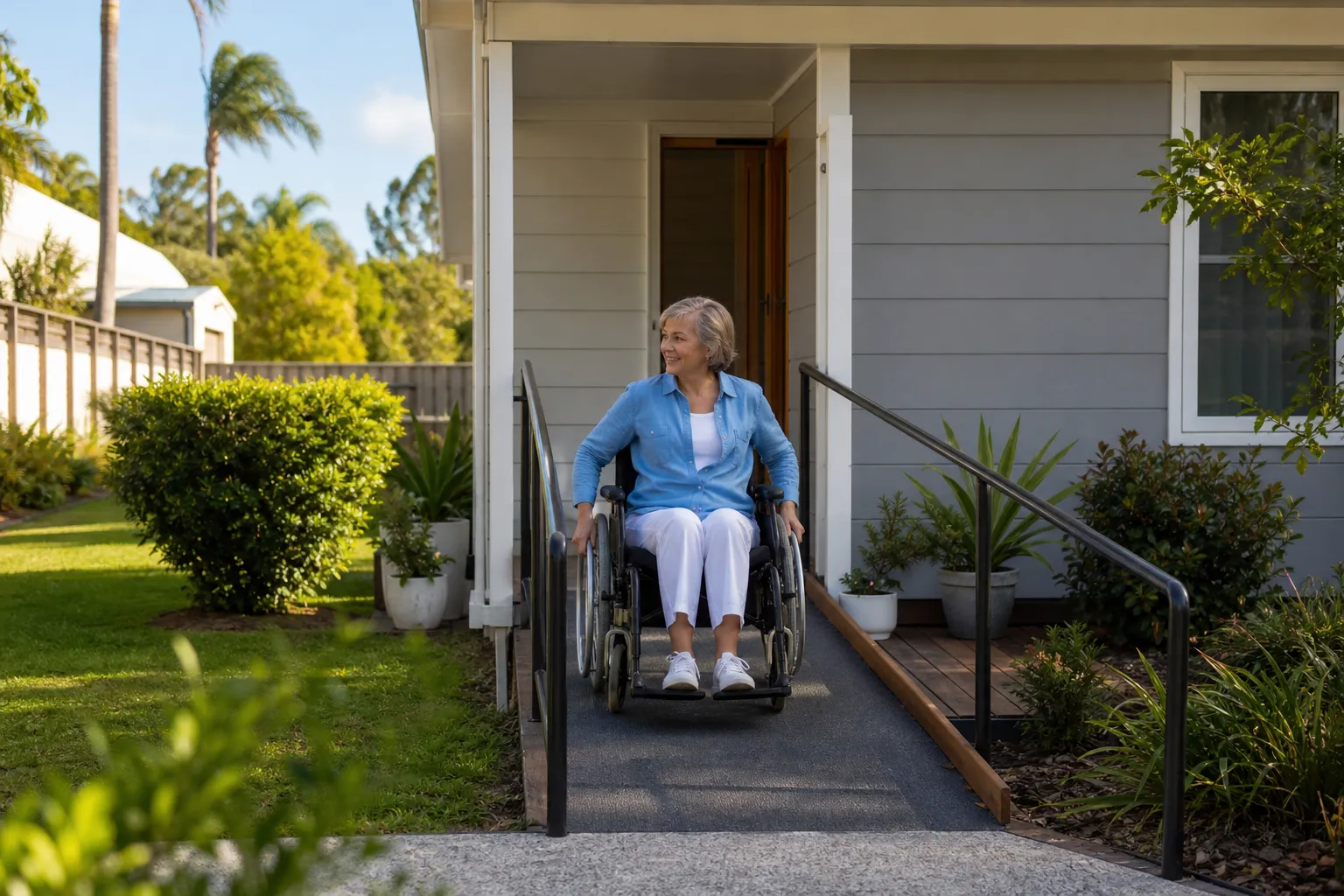
After returning home, Coulson needed help transferring from her bed to her wheelchair, bathing, dressing and eating. Australia's National Disability Insurance Scheme (NDIS) funded a wheelchair, a ramp to her parents' home, support workers and intensive rehabilitation for her, including physiotherapy, occupational therapy and exercise physiology sessions.
According to Coulson, she developed pressure sores three times during the first 18 months after being discharged. After regular rehabilitation, they no longer appeared. She strengthened her muscles, no longer needed straps in her wheelchair, began driving an adapted car, found full-time employment and gave up her disability pension. She also reduced support worker assistance to four hours a week, mainly for housework.
More current news is available on the UA.News Telegram channel Telegram.
NDIA decision
In a decision following an internal review, an NDIA official concluded that additional therapy hours and a request to fund the replacement of a ramp costing 5,000 Australian dollars did not meet the criterion of value for money. The ramp replacement had already been completed so that Coulson could enter the house. The decision also stated that disability support workers should have appropriate qualifications and training to help her perform exercises.
Coulson says this approach is dangerous because of severe osteoporosis and other complications. According to her, the sessions require specialized equipment, hoists and slings, as well as two qualified specialists because of the risk of injury. Since the therapy hours were reduced, Coulson says she has experienced increased pain, fatigue and stiffness, while her dependence on help from her parents and sister has grown.
One of the developers of the NDIS, Martin Laverty, expressed concern about cuts to participants' plans that, he said, are being made contrary to the findings of medical specialists. The NDIA did not comment on Coulson's individual case, but said that when allocating funding it considers all submitted evidence, including from allied health professionals, and makes decisions on which expenses are reasonable and necessary. Coulson is appealing the reduction of her plan at the Administrative Review Tribunal.


