
Possible reason for decline in Baltic Sea flounder numbers named in Estonia
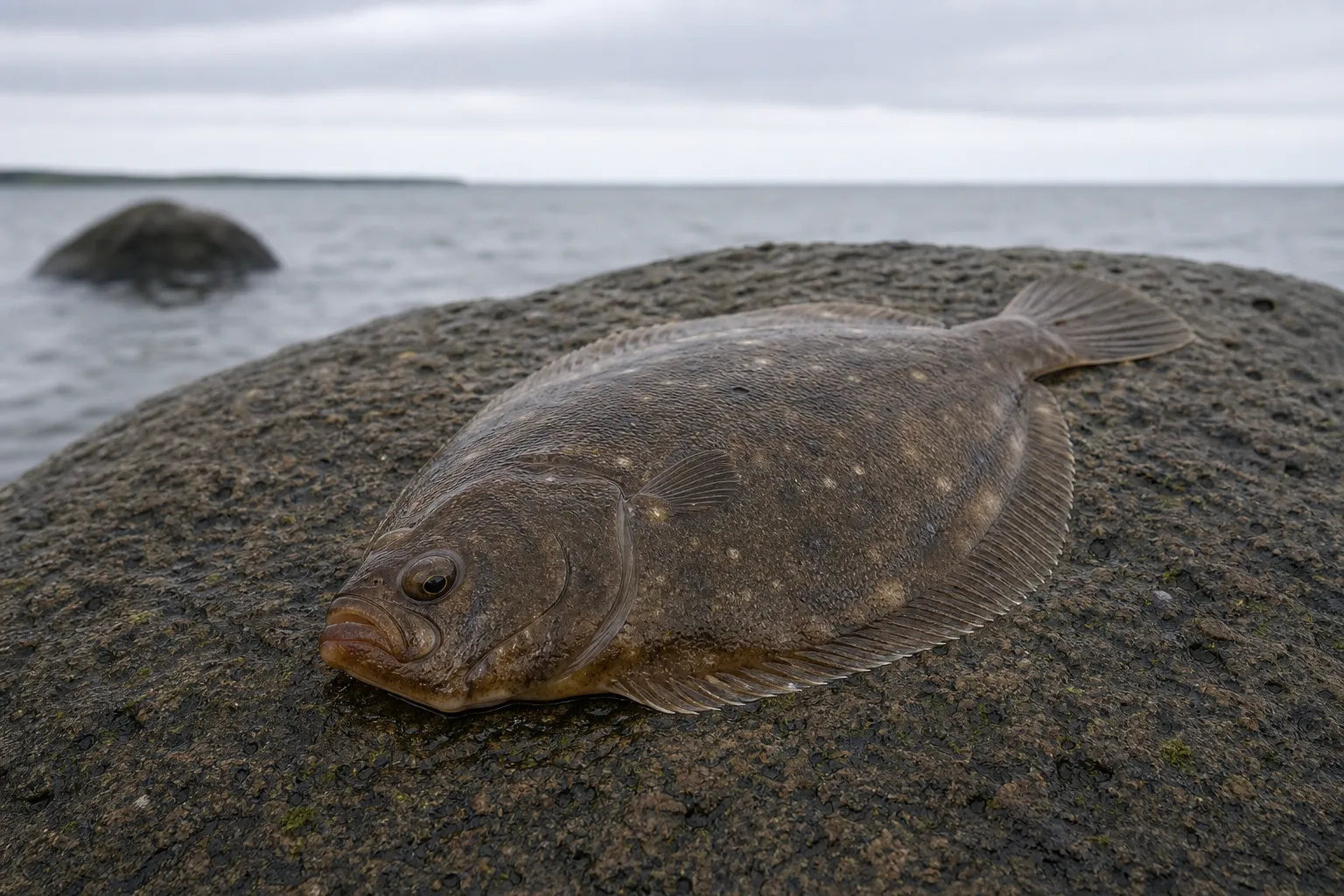
In Estonia, a scientist links the decline in flounder numbers in the Baltic Sea primarily to unfavorable hydrological conditions, rather than solely to the spread of the invasive round goby. This is reported by ERR News, citing Redik Eschbaum, head of the coastal fisheries working group at the Estonian Marine Institute of the University of Tartu.
Fishers’ theory about the invasive species
Taavi Suitsberg, head of the public organization “Lääne County Coastal Fisheries Association” and a professional fisher, said that fishers link the lower number of flounder to the spread of the round goby. According to him, this invasive species competes with native fish for food and reproduces more quickly.
At the same time, Suitsberg noted that a larger round goby population also has a positive aspect for fishers: this fish is suitable for consumption and serves as food for larger fish. He acknowledged that he cannot explain the reason for the decline in flounder numbers precisely, and that fishers learned about the possible impact of the invasive species from scientists.
More current news is available on the UA.News Telegram channel Telegram.
Spawning depends on salt water
According to Eschbaum, aquatic ecosystems are too complex to identify a single cause of a species’ population decline. At the same time, researchers have not found emaciated flounder, so a lack of food cannot be a direct cause. Flounder numbers were low even before the significant spread of the round goby, which, in the scientist’s view, indicates the role of hydrological conditions.
Flounder and cod have pelagic eggs that float freely in the water. Their spawning and egg development take place in deeper and saltier layers of the sea and depend on inflows of salt water. Eschbaum named two possible reasons for more difficult spawning: a lack of oxygen on the seabed due to decomposing algae, as well as changes in wind patterns resulting from climate change. According to him, saltwater inflows have become less extensive and occur at different times of the year than before.
The scientist also noted that two types of flounder, previously distinguished by their spawning locations, were later recognized as separate species. The coastal species is doing somewhat better, although it would also benefit from saltier water. An increase in flounder numbers is not expected in the near future, but the species is not considered endangered.


