
In Estonia, metal detectorists helped double the number of Bronze Age finds
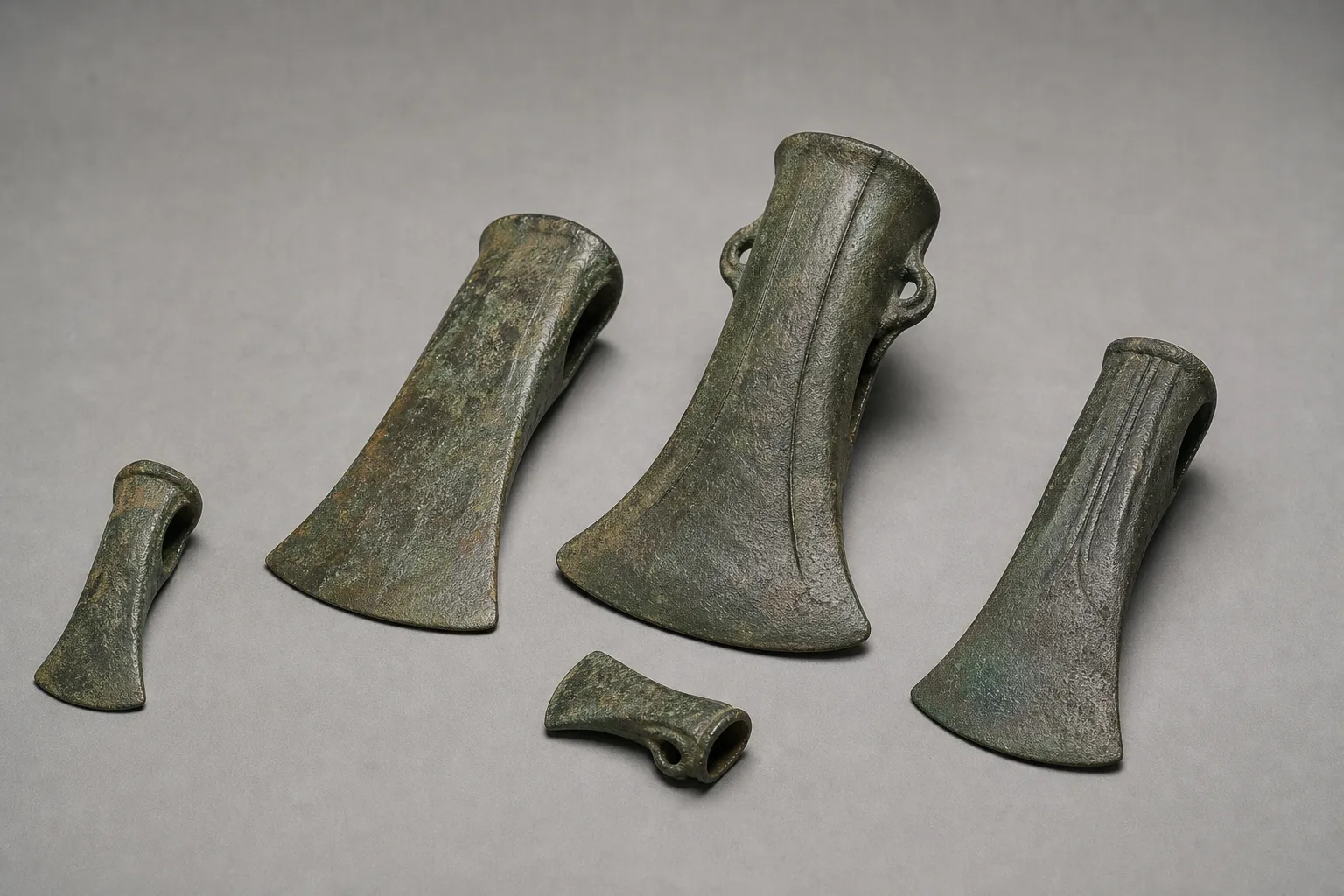
In Estonia, over the past 20 years, metal detectorists have helped increase the number of known Bronze Age artifacts from 80 to 160. The new finds have significantly changed researchers’ understanding of the distribution of bronze and local casting, ERR News reports.
Earlier bronze casting
Walter Lang, a professor at the University of Tartu’s Institute of History and Archaeology, said that the new materials have called into question the previously widespread notion that the Bronze Age was virtually absent from the territory of present-day Estonia. According to him, considerably more bronze was in circulation there than researchers had believed, although these figures remain much lower than in Scandinavia, a major center of Bronze Age culture.
Archaeologists estimate that bronze objects in the territory of present-day Estonia began to be made 500–600 years earlier than had been assumed based on previously available materials. In particular, a local type of flanged axe, or palstave, was cast as early as around 1400–1300 BCE.
Axes and coastal centers
A significant part of the archaeological material consists of axes of various sizes and purposes. In the early Bronze Age, craftsmen cast relatively large axes, but by the end of the period the tools became smaller. Lang suggested that this may have been a way to save metal and make more axes from the available amount of raw material. According to him, this trend was characteristic not only of Estonia but of Northern Europe as a whole.
More current news is available on the UA.News Telegram channel Telegram.
Most artifacts are concentrated in three coastal areas: near Tallinn, in the area from Keila to Kahala, in part of Virumaa, and on Saaremaa and Muhu. Researchers link this to coastal residents’ access to maritime contacts through which the necessary bronze reached the region.
Conditions for detectorists
Tuuli Kurisoo, a senior researcher at Tallinn University’s School of Humanities, noted that the large number of finds helps identify new patterns in their distribution and better understand different periods of Estonian history. The use of metal detectors in Estonia is permitted after completing the required training, obtaining a permit, and complying with legal requirements.
Kurisoo stressed that the scientific value of amateur finds depends on cooperation and compliance with the law. Objects are useful to science only when precise information about where they were found is available and they are reported to the National Heritage Board.


