
Iraq postpones start of school year until October 11 — Asharq Al-Awsat
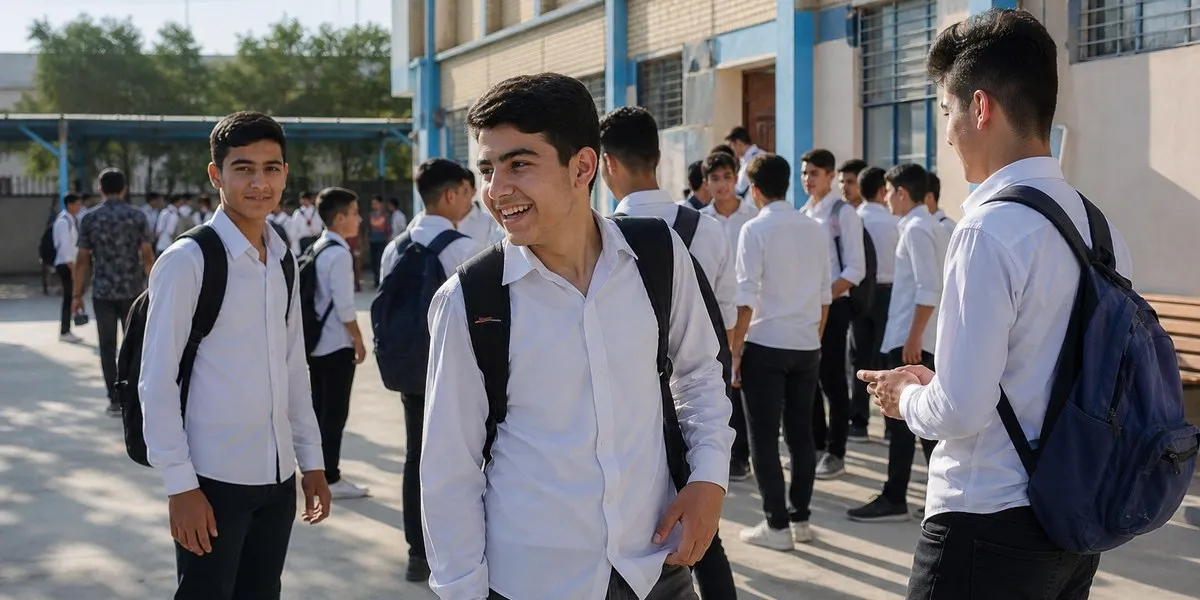
Iraq’s Ministry of Education has postponed the start of the 2026–2027 school year from September 20 to October 11. The decision sparked public debate, particularly due to the approaching September 30 — the planned date for the withdrawal from the country of the US-led international coalition forces and the government-set deadline for transferring the weapons of armed groups under state control.
As Asharq Al-Awsat reports, the Ministry of Education denied that the postponement was connected to the withdrawal of coalition forces or the disarmament of armed groups. The ministry explained the decision by the need to complete retake examinations for non-graduating students and prepare schools for the new academic year.
Official explanations
Education Minister Abdul Karim Abtan al-Jubouri also cited high temperatures and the need to complete educational, technical, and administrative measures before students return to schools across the country among the reasons.
Ministry spokesperson Karim al-Sayed said that the previously set date of September 20 proved premature due to circumstances that changed after it was announced. Among them, he cited the introduction of general enrollment, a special examination session scheduled for September 26 to October 10, as well as retake examinations running from September 15 to 24.
More current news is available on the UA.News Telegram channel Telegram.
According to the spokesperson, appeals from educators over electricity shortages at some schools and the heat also influenced the decision. Iraq’s parliamentary Education Committee had previously also proposed postponing classes, but until October 1 rather than the 11th.
Debate over the reasons
An unnamed high-ranking source at the Ministry of Education believes that the coincidence of the school postponement with the approaching deadline concerning weapons and the withdrawal of coalition forces intensified assumptions of a connection between these events. At the same time, the ministry denies such a connection.
The postponement may deprive students of nearly a month of instructional time and complicate completion of the curriculum, especially in graduating classes of primary, middle, and high school. Education observers note that the nine-month academic year is already shortened by official holidays and breaks related to religious events.
Education specialist Mustafa Abada said that the ministry’s explanations require clarification. He drew attention to delays in the delivery of certain textbooks, changes to several curricula, problems with school buildings and infrastructure, as well as the continuation of special examination sessions.


