
Iran cafe chain manager sentenced to over 12 years and has assets confiscated
In Iran, Sadegh Saeedinia, the manager of the Saeedinia cafe chain, was sentenced to more than 12 years in prison and had all his assets confiscated in a case linked to the January protests. After his release, he will also be banned from working in the coffee sector for two years, Euronews reports.
Charges in the protest case
Saeedinia manages the Saeedinia cafe chain. He was found guilty, among other things, of media and propaganda activities against national security, propaganda against the system, and acting on behalf of hostile groups.
According to the outlet, the charges concerned Instagram posts about the protests, support for calls for strikes, the closure of the group’s cafes and shops, as well as calls for employees to take part in demonstrations. Iran’s judiciary described Saeedinia as an “instigator” of the protests in Qom and linked him to damage to public and private property. At the same time, independent evidence of a direct link between his actions and the material damage has not been publicly released.
More current news is available on the UA.News Telegram channel Telegram.
Pressure on the family and confiscations
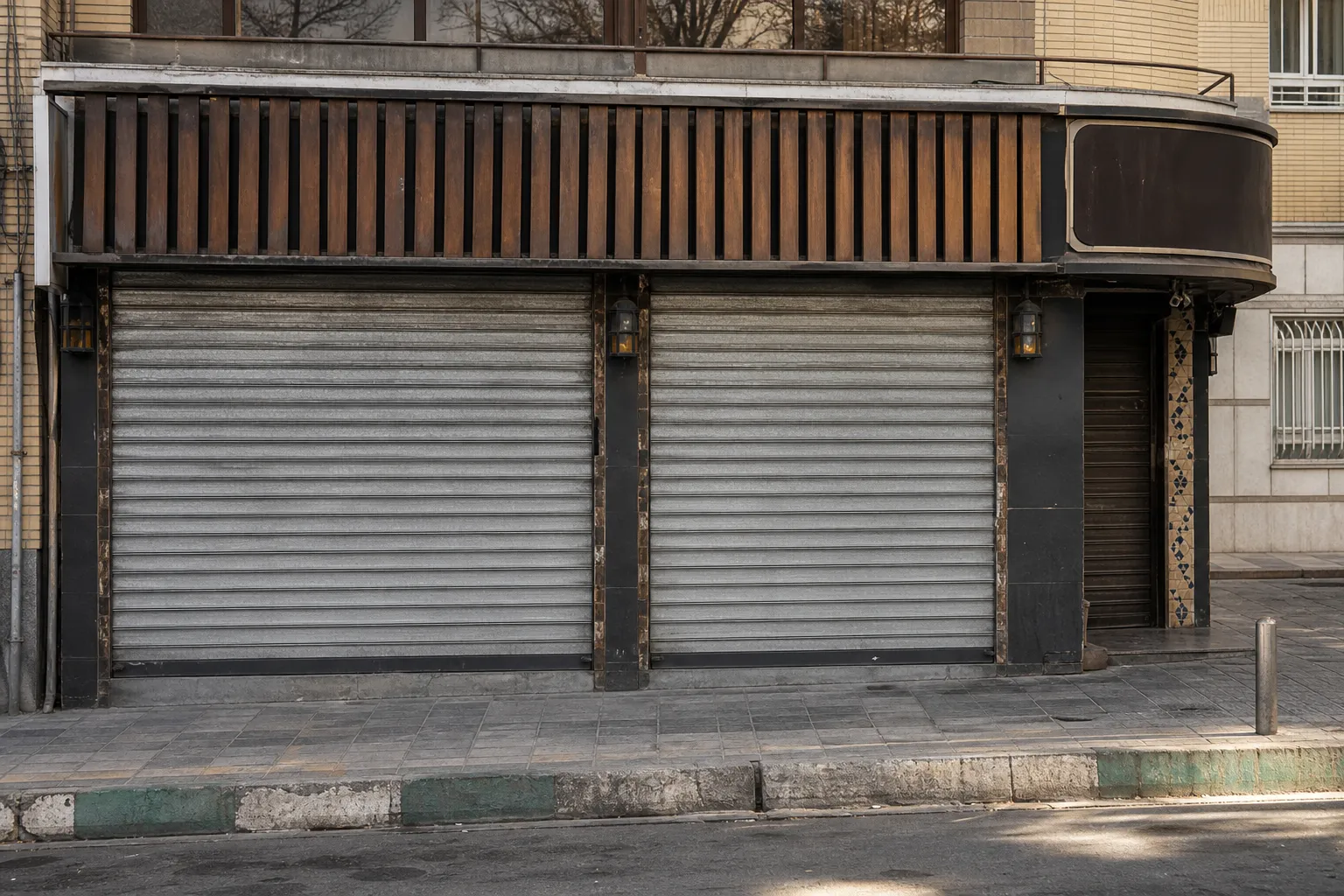
Sadegh Saeedinia is the son of businessman Mohammad Saeedinia, the founder of the Saeedinia food group. Even before the son’s verdict, judicial measures were taken against the father: his cafes and restaurants were closed, and some establishments were sealed. The Fars agency stated that the value of Mohammad Saeedinia’s assets approximately corresponded to the financial losses that, it claimed, Tehran suffered during the protests.
After the January protests, Iranian authorities expanded the practice of asset confiscation and bank account freezes. In April, the Tehran prosecutor’s office reported orders to identify and confiscate assets, as well as freeze the accounts of more than 100 well-known people abroad, whom the authorities called supporters of the enemy. Later, reports emerged that the property of more than 400 media and cultural figures outside Iran had been seized.
Data on protest casualties
The January protests began after the collapse of the Iranian rial and spread to more than 180 cities. Iranian officials acknowledged the deaths of more than 3,100 people during the crackdown on the demonstrations, saying that most of them were security personnel or bystanders. The UN special rapporteur on Iran estimated the minimum death toll at 5,000, while Human Rights Activists News Agency reported 6,854 confirmed deaths, most of whom, according to its data, were protesters.


