
Australian animals use houses as substitutes for natural shelters — The Guardian World
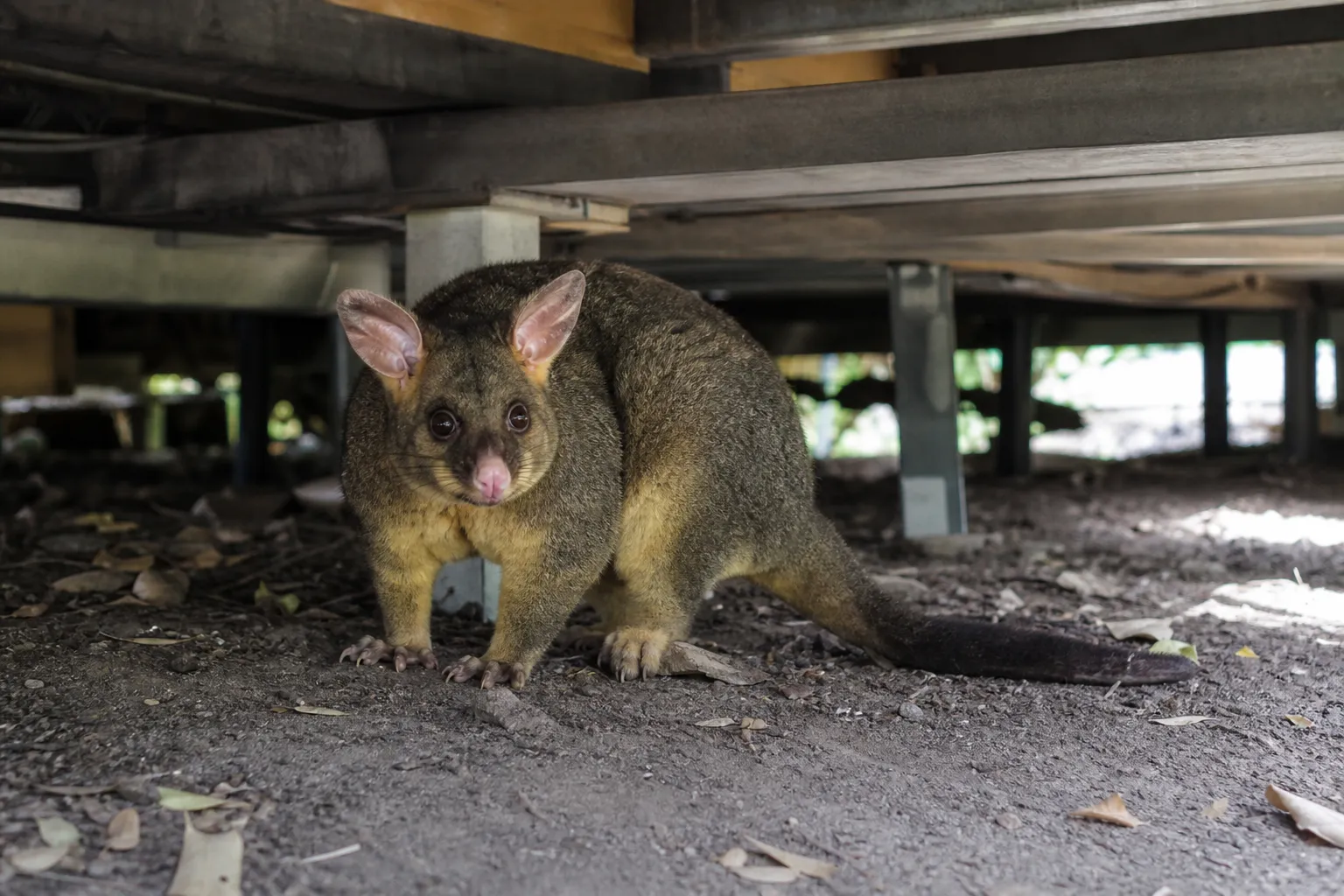
In Australia, native animals are using houses as habitat: researchers analysed 10 years of wildlife rescue service reports and recorded 2,400 cases of animals using structures as shelters, The Guardian World reports. The study's lead author, Bethany Kiss, believes animals are seeking substitutes in buildings for natural habitats and tree hollows that are disappearing.
Roofs, walls and rooms
The study, published in the journal People and Nature, showed that brush-tailed and ring-tailed possums accounted for half of all recorded cases of animals appearing in buildings. Microbats and bare-nosed wombats were next in number.
Animals were most often found in roof spaces, walls, garages or under houses. Some chose letterboxes or air-conditioning systems. About 10% of cases involved interior rooms, including bedrooms and kitchens.
According to University of Melbourne architect Bethany Kiss, native animals were found in almost all parts of houses. She noted that such situations may seem unusual, but occur frequently.
Cases recorded by rescuers
Wildlife Victoria, which provided data for the study, told of a resident who found young sugar gliders in her kitchen. The woman reached under the sink for a dishwasher tablet and came across something fluffy. At first, two gliders were found in a small container, and after a volunteer arrived, another five were discovered.
More current news is available on the UA.News Telegram channel Telegram.
In another case, an echidna entered a house and headed for the pantry, where it pulled items from shelves, including a heavy food processor. The homeowner was a wildlife rescuer and was able to safely return the echidna outside.
During renovations at one house, its owner also found eight small forest bats in a wall. Erica Tadghope, a rehabilitation specialist at Microbats of Melbourne, said that microbats often live in roof spaces and are not a cause for concern if they are not touched. According to her, they reduce insect numbers and rarely damage houses.
Coexistence in cities
In New South Wales, the Wires rescue service reported that animals often seek shelter during cold weather or extreme conditions. Last year, rescuers were called to a koala that ran through the corridor of a house and was sitting on a bed before a volunteer arrived.
Kiss believes architectural designs can promote coexistence between people and animals. Among possible solutions, she named wildlife-friendly lighting, noise-reduction measures, shelves for swallows and boxes for possums.


