
Iran Blames the U.S. for New Attacks - Al Jazeera
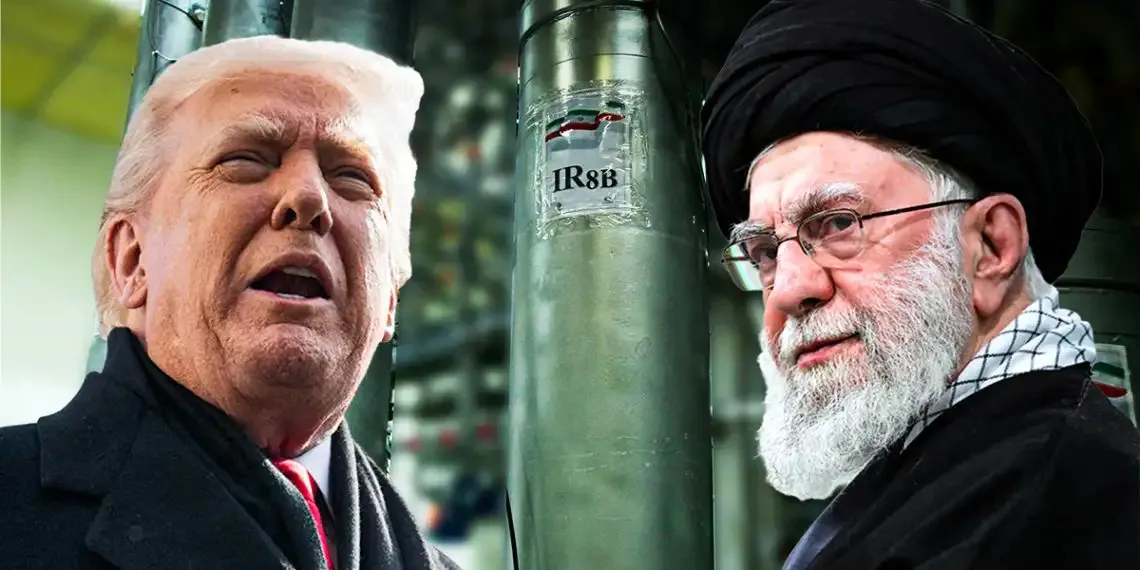
Despite the new round of conflict in the Middle East, Iran says it is not abandoning diplomacy and is trying to restore relations with the Gulf states. Officials in Tehran argue that the U.S. and the West have mistakenly interpreted Iran’s willingness to negotiate as a sign of weakness.
This view was expressed by Abbas Aslani, a senior researcher at the Center for Strategic Studies on the Middle East in Tehran. According to him, this is precisely what, in Iran’s view, prompted Washington to escalate its coercive pressure.
In an interview with Al Jazeera, Abbas Aslani stated that even before the war began, Iran had been banking on negotiations and trying to find a diplomatic solution to the conflict. “Iran was doing the same thing it did before the war—participating in diplomatic negotiations and trying to find a path to a settlement,” he said.
According to the expert, the U.S. and Western countries misinterpreted this stance. “When Iran shows even the slightest flexibility, it is perceived as a sign of weakness,” Aslani said.
He believes that this very assessment may have prompted the U.S. to launch new attacks. “This could have served as a kind of invitation for new strikes against the country,” he noted.
Despite the escalation of the conflict, the representative of the Tehran-based think tank asserts that Iran tried to prevent the situation from escalating further. According to him, Tehran’s response to U.S. actions was limited, and at the same time, Iranian authorities are maintaining contact with Gulf states. “Negotiations are ongoing between Iranian officials and their counterparts in the region, aimed at helping to restore relations,” Aslani said.
At the same time, he stated that such a rapprochement is not in the interests of Israel and the U.S. “They are trying to drive a wedge between Iran and its neighbors,” the expert believes. However, these statements represent the assessment of an Iranian analyst and have not been independently verified. No official comments from the U.S. or Israel regarding these claims have been released so far. Al Jazeera reported this.
Iran exported at least 10 million barrels of crude oil and fuel oil in a single night. According to analysts, Tehran may have been acting in haste due to fears that the U.S. would soon tighten its control over shipping in the region again.
Iran reported the deaths of three Islamic Revolutionary Guard Corps soldiers following new U.S. strikes. Despite declarations of a ceasefire, the sides continue to exchange attacks, and the situation in the Middle East remains tense.
The United States has announced a large-scale military operation against Iran. Over the past two days, U.S. forces have struck more than 170 military targets located near the Strait of Hormuz. Officials in Washington say the main goal of the operation is to weaken Iran’s ability to attack international shipping.
Despite declarations of a ceasefire, the situation in the Middle East has escalated again. On Wednesday night, the U.S. and Iran exchanged new strikes, and Jordan announced that it had intercepted Iranian missiles over its territory. Meanwhile, in Iran, the funeral for former Supreme Leader Ali Khamenei continues amid ongoing hostilities.


