
Yohanan Elishuv, the last living participant in raising the Ink Flag, dies in Israel
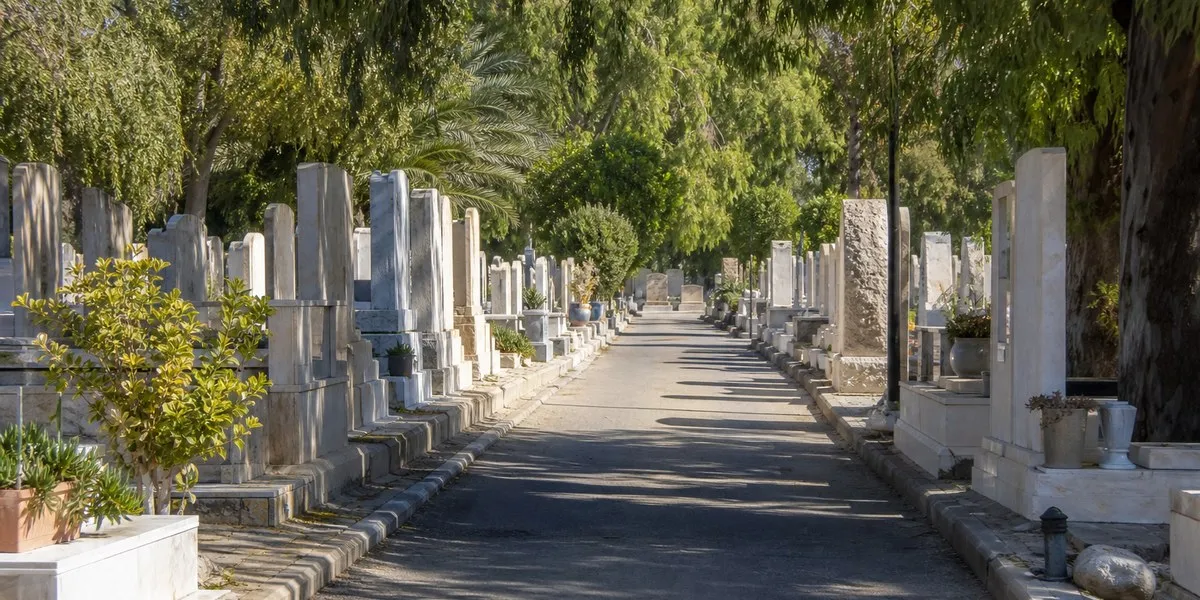
Yohanan Elishuv, the last surviving fighter who took part in raising the Ink Flag in Umm Rashrash, present-day Eilat, in 1949, has died in Petah Tikva, Israel, at the age of 95. The Jerusalem Post reports. Elishuv died in his apartment in Petah Tikva, on the same plot of land where he was born.
Fighting for Jerusalem
Elishuv served in the Palmach as a liaison officer and driver, fought on the road to Jerusalem and in the Negev. As a child, he had severe dyslexia, left school at the age of 12 and began working in a garage, where he acquired technical skills. At around the age of 15, Elishuv falsified his age, claiming he was 16 in order to join the Palmach.
During the fighting for Jerusalem, Elishuv was the personal liaison officer of company commander Haim Poznanski, known as Poza. After the failed operation in Nabi Samuel, he helped organize the retreat, evacuate the wounded and collect weapons. During the fighting for the Katamon area in Jerusalem, Elishuv was also among the fighters who evacuated the wounded Rafael Eitan and David Elazar, future chiefs of the General Staff of the Israel Defense Forces.
More current news is available on the UA.News Telegram channel Telegram.
The Ink Flag in Umm Rashrash
In June 1948, Elishuv was transferred to the southern front under the command of Uzi Narkiss. He was wounded after stepping on a mine, but returned to combat after recovering. He later fought in the Negev, took part in Operations Yoav, Lot, Horev and Uvda, as well as in the capture of Beersheba.
During Operation Uvda, Elishuv was the driver of Southern Front commander Yigal Allon. He later drove a command and reconnaissance jeep carrying Negev Brigade commander Nahum Sarig. On March 10, 1949, Elishuv was part of the first group of fighters to reach the abandoned police station in Umm Rashrash. The military had no national flag, so they created an improvised Ink Flag, whose raising became one of the symbols of Israel's War of Independence.
After completing his regular service in 1949, Elishuv remained an artillery corps reservist and took part in the 1956 Sinai Campaign, the Six-Day War, the Yom Kippur War and the First Lebanon War. In civilian life, he worked for about 30 years as a heavy vehicle driver at Solel Boneh, including on the construction of roads to Eilat. Elishuv is planned to be buried at Segula Cemetery in Petah Tikva.


