
The UAE has resumed operations at the Habshan gas processing complex, the country's largest
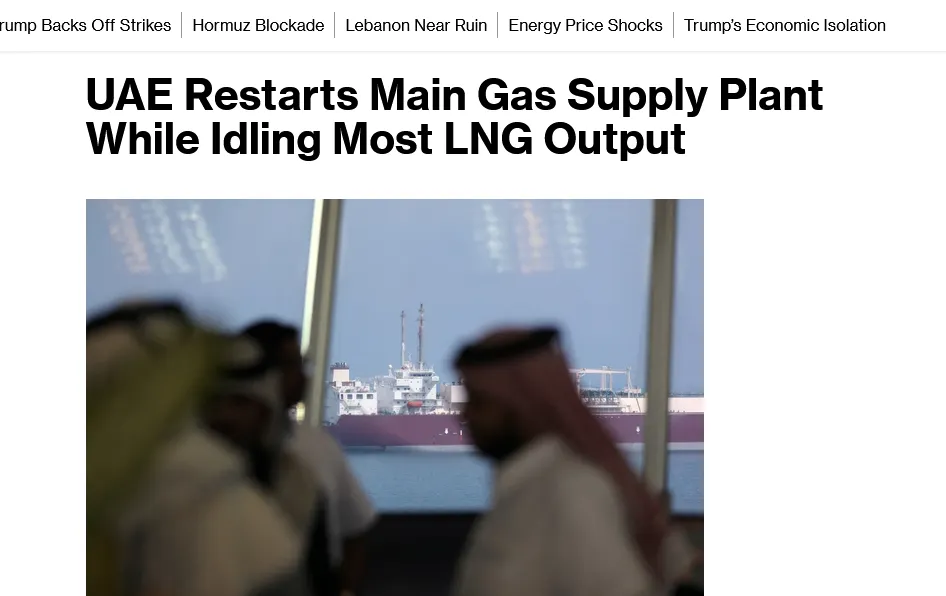
The United Arab Emirates has resumed operations at its largest gas processing plant, Habshan, which was shut down on March 19, 2026, following an Iranian attack.
Bloomberg reported this on March 23, citing its own sources. The complex is critical to the country’s energy security, as it meets a significant portion of domestic fuel needs. Despite the resumption of processing, the UAE’s only liquefied natural gas (LNG) plant on Das Island is currently operating at minimal capacity due to the inability to export through the blocked Strait of Hormuz.
The energy infrastructure of the Persian Gulf has suffered significant blows due to the escalation of the conflict with Iran, forcing major producers to cut oil production and shut down refineries. In particular, “significant damage” was inflicted on the world’s largest LNG export plant in Qatar. ADNOC Gas, which operates facilities in Habshan and on Das Island, has officially confirmed temporary adjustments to production schedules and is currently negotiating with partners regarding the fulfillment of contractual obligations amid shipping disruptions.
Currently, the UAE’s energy system is fully supplied with gas thanks to the resumption of operations at Habshan and uninterrupted imports from Qatar via the Dolphin pipeline. The stabilization of the situation in the Middle East energy market is occurring against the backdrop of global tensions, which Donald Trump highlighted in the context of U.S. military spending. Meanwhile, Ukraine presented its own plan in Brussels to protect energy infrastructure from Russian attacks, underscoring the vulnerability of global energy hubs to modern military threats.
Trump hintedat an end to the war against Iran, but this cannot be trusted, according to Sky News.
According to CBS News, citing sources close to the discussions, the United States has completed preparations for a possible ground operation in Iran. This information indicates growing tensions in the region, which has significant strategic and economic implications.
We also reported that U.S. President Donald Trump stated that the United States does not use the Strait of Hormuz, so its security should fall to the countries that need it.


