
Hungary creates oral history archive on 16 years of Orbán’s rule
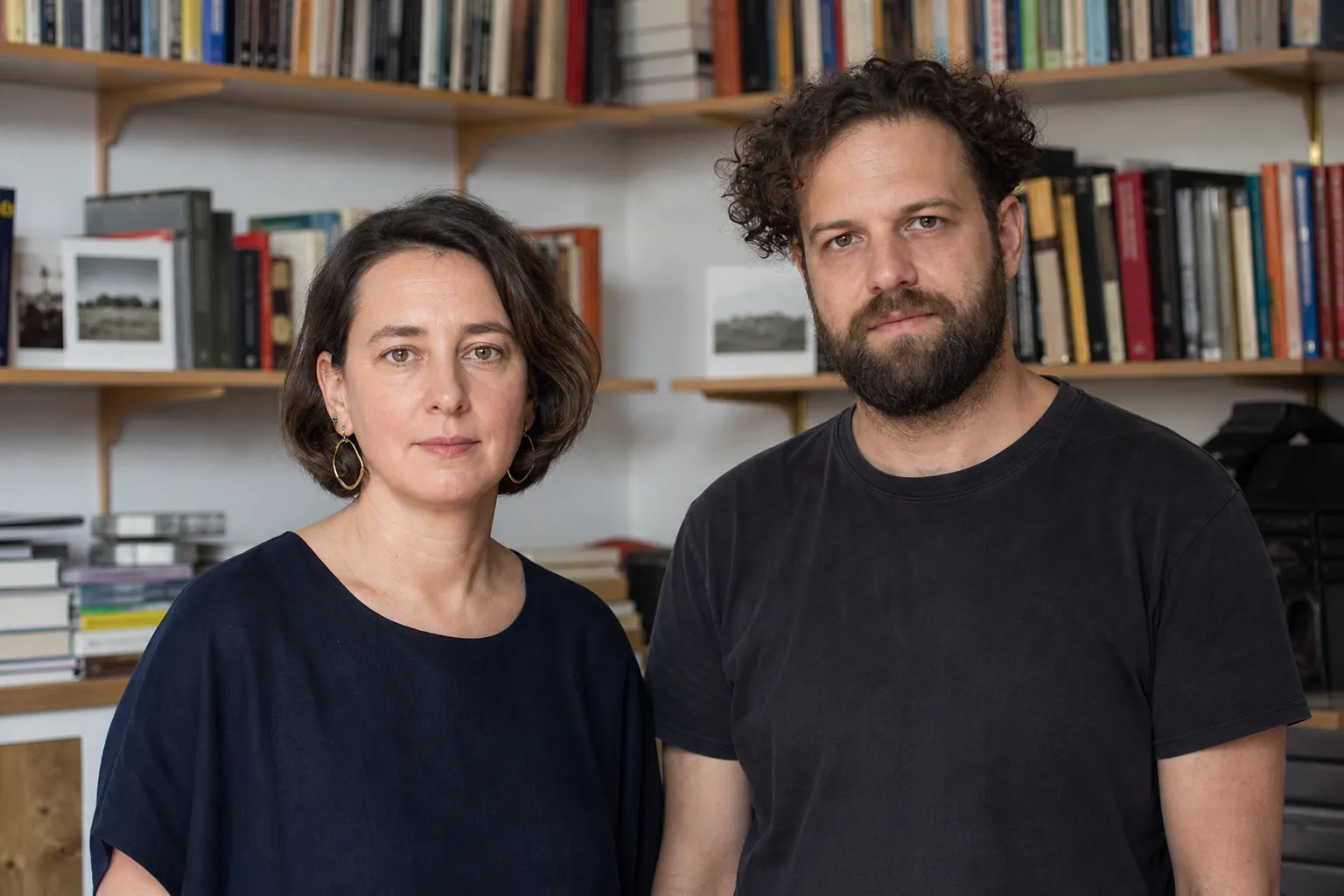
Hungarian researchers Luca Váradi and Tamás Kogut have launched the Így éltünk itt (“This Is How We Lived Here”) oral history archive to collect personal testimonies about life in Hungary from 2010 to 2026. The initiative emerged after Váradi’s Facebook post about the consequences of the 16-year rule of the Fidesz party gained attention, Balkan Insight reports.
Váradi, a sociologist and associate professor at Central European University in Vienna, said that project participants share stories of family breakdowns, job losses, emigration, the deaths of loved ones and moral dilemmas. According to her, much has been written about the weakening of democratic institutions, but far less attention has been paid to the impact of the political system on people’s everyday lives.
More than 240 applications
Váradi and Kogut have already received more than 240 applications from people wishing to tell their stories and have conducted 54 interviews. The researchers plan to collect at least 400 testimonies in order to represent people of different ages, professions and regions of the country. The edited interviews are to be published online; the possibility of releasing them as a book is also being considered.
Among the stories is that of a German language teacher who left her school and moved to Germany because of tensions at work and criticism of her political views. Her husband, a former local journalist, later also moved to Germany and works as a delivery worker for frozen vegetables. Váradi noted that separation from loved ones became a painful experience for many emigrants.
More current news is available on the UA.News Telegram channel Telegram.
According to data cited in the article, around 400,000 people have left Hungary over the past 16 years. Most moved for higher salaries and better career opportunities, but the interviews also show that some people left because of the political system.
Self-censorship and responsibility
Archive participants also speak about the experiences of those who remained in the country. One employee of a public broadcaster admitted that he worked on cultural content and did not cover political stories, yet received a salary that provided his family with a comfortable life. Other interviewees of Váradi recalled intimidation, self-censorship and adapting to the system.
Péter Krekó, director of Budapest-based Political Capital, described Viktor Orbán’s system of governance as an “information autocracy” that, in his assessment, was sustained primarily by information manipulation rather than violence. Historian Stefano Bottoni linked the weakness of public resistance to a lack of trust, solidarity and influential trade unions. Váradi hopes that the archive will help document people’s personal experiences of this period and reflect on its consequences.


