
Germany and Kosovo jointly counter ticks carrying a dangerous virus — DW
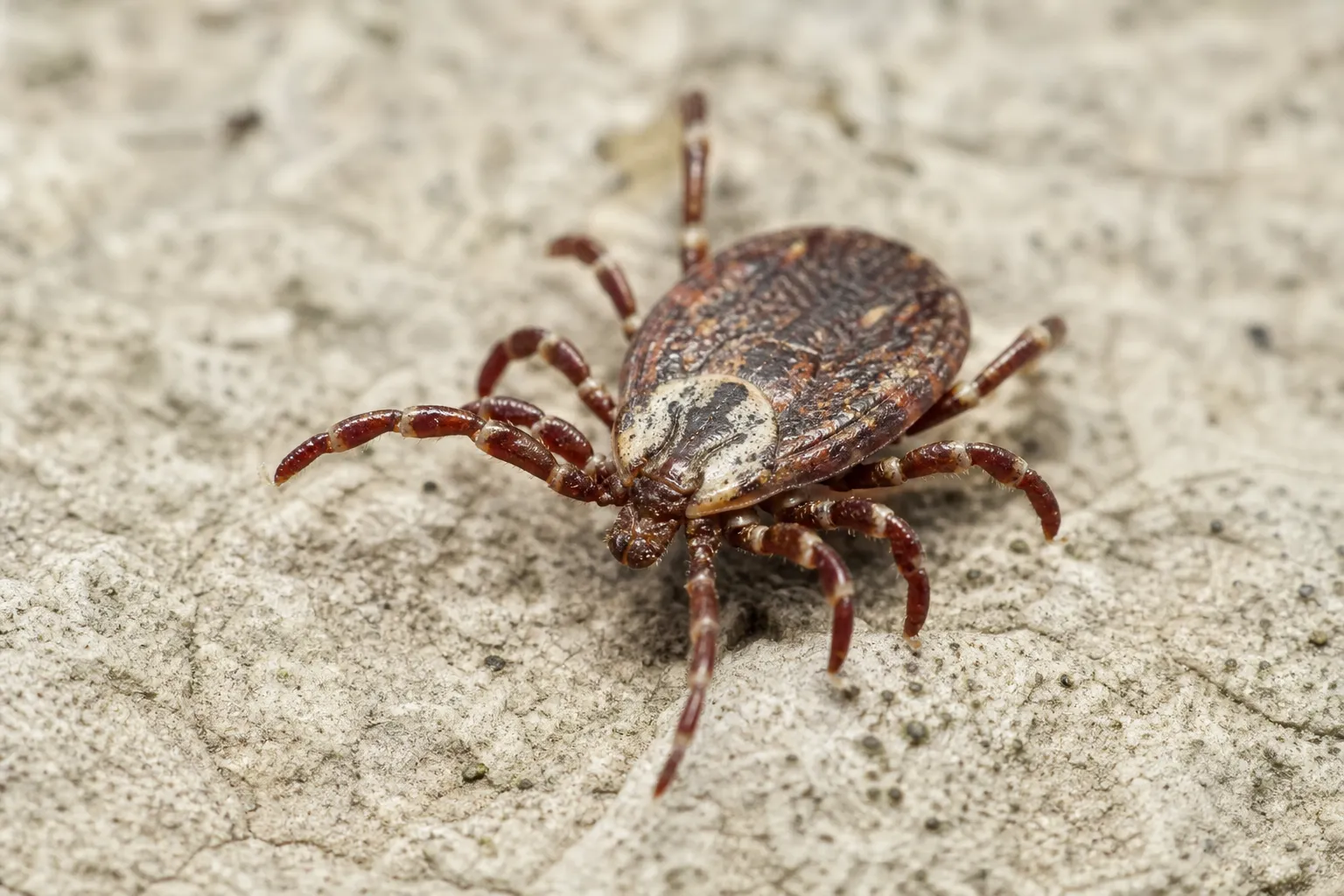
German and Kosovar scientists are jointly tracking the spread of Hyalomma ticks and the Crimean-Congo hemorrhagic fever virus, which they can carry. In Kosovo, where these ticks have long posed a problem, five severe cases of infection have been recorded over the past decade, compared with around 100 in the previous ten years, Deutsche Welle reports.
Monitoring ticks and the virus
Hyalomma ticks, also known as large hunting ticks, can pursue people and animals rather than merely waiting for them in the grass. They previously occurred mainly in Africa, Asia and southern Europe, but may be able to survive farther north due to climate change. They have already been found in Germany and a number of Eastern European countries.
Kurtesh Sherifi of the Faculty of Agriculture and Veterinary Medicine at the University of Pristina established cooperation with the Bernhard Nocht Institute for Tropical Medicine in Hamburg. In 2009, he met virologist Petra Emmerich, who studies risk group 4 viruses. Since 2013, their joint work has begun receiving funding under Germany's biosafety program.
A system for monitoring the spread of Hyalomma ticks and the virus was established in Kosovo. Researchers collected thousands of ticks and conducted seroprevalence studies — blood tests for antibodies to a past infection. Domestic animals are particularly suitable for such research: the virus does not cause disease in them, while detecting antibodies indicates its circulation in a specific area.
More current news is available on the UA.News Telegram channel Telegram.
Risks for farmers
Farmers who remove ticks from animals with bare hands face a particular risk of infection. The virus can be transmitted to a person if infected animal blood gets into a small wound on the skin. Scientists also conduct educational sessions at schools on protection against ticks, advising the use of repellents, long trousers and sturdy footwear.
Not all Hyalomma ticks carry the virus, and not every person who is bitten becomes ill. At the same time, there is no vaccine or specific treatment for Crimean-Congo hemorrhagic fever. The illness may begin with fever, chills, muscle pain and headache, and in severe cases can cause bleeding and organ failure. Patients require intensive care and isolation; they are also prescribed ribavirin, although its effectiveness in acutely ill patients is limited.
Hyalomma ticks carrying the Crimean-Congo fever virus were recently found in France, although no human infections have been recorded there so far. German and Kosovar specialists plan to share their monitoring experience with countries that have less practical experience in countering this threat, including North Macedonia and Albania.




