
Vadeful linked Germany's failure in the UN Security Council elections to its support for Ukraine
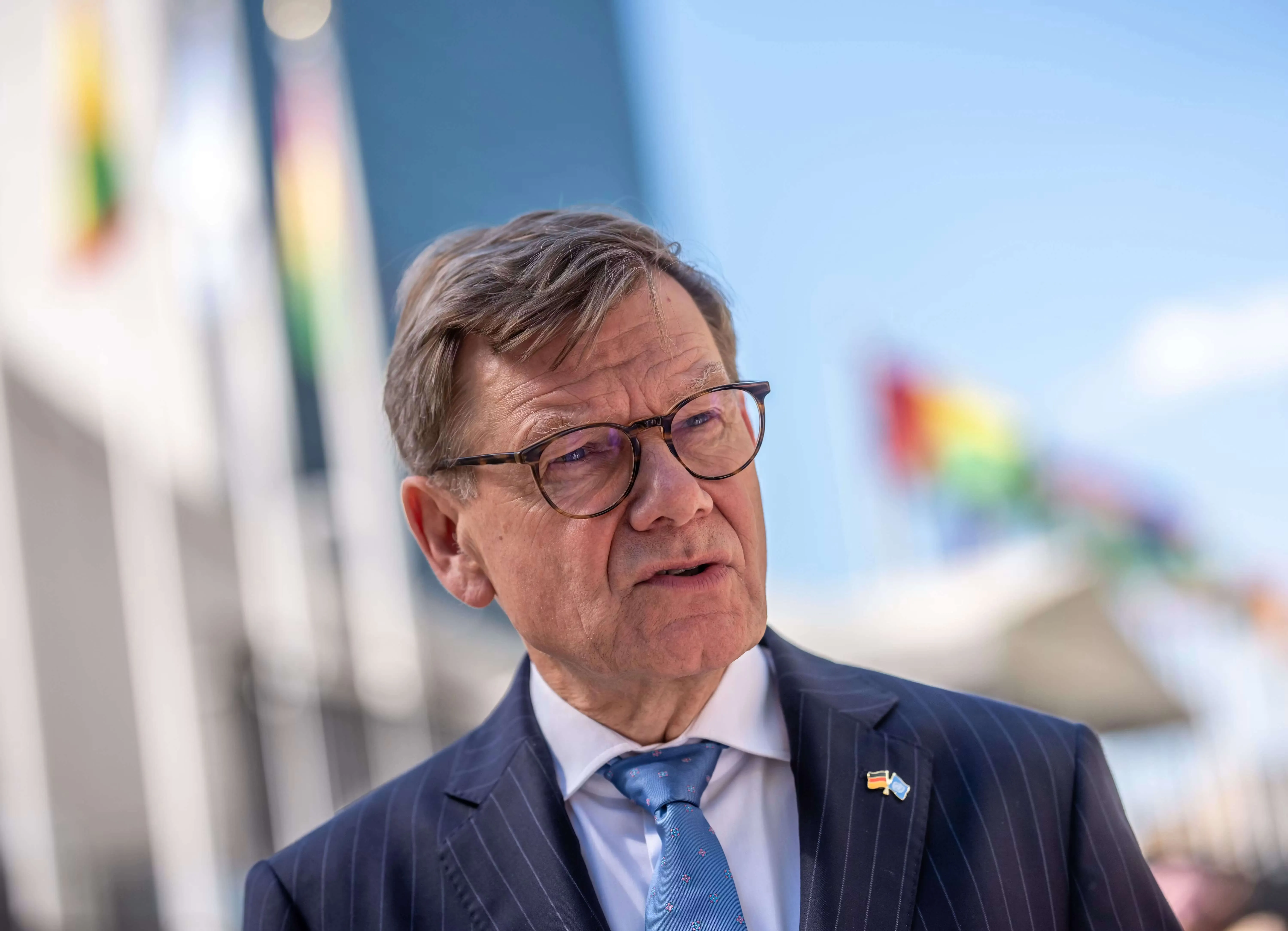
For the first time since reunification, Germany failed to secure a non-permanent seat on the UN Security Council due to strong opposition from the Russian Federation.
In a secret ballot in the UN General Assembly, Germany’s candidacy received only 104 votes.
Instead, Portugal and Austria won, receiving 134 and 131 votes, respectively.
Official Berlin directly attributes its diplomatic setback to a targeted smear campaign launched by Moscow.
The main reason for the Russian pressure was Germany’s unwavering and consistent stance on comprehensive support for Ukraine in the war against the aggressor.
German Foreign Minister Johann Wadephul confirmed this information to media representatives in New York.
The head of the German Foreign Ministry openly spoke about the destructive actions of Russian diplomats behind the scenes at the United Nations.
At the same time, the German Foreign Minister urged against attributing such a painful defeat solely to the subversive activities of the Russian Federation.
He noted that Germany has always taken principled positions in many international conflicts, which have not been to the liking of all UN member states.
One such complex and controversial issue for many voters was Berlin’s policy in the Middle East.
Johann Wadephul suggested that Germany’s special historical responsibility toward Israel may have cost the country a significant portion of the votes from representatives of the Global South.
Meanwhile, independent experts in the field point to other significant tactical miscalculations by German diplomats. In particular, Germany’s European rivals began their election campaigns much earlier.
This is reported by the Berliner Zeitung.
Germany allows for the start of a dialogue between the EU and Russia only with Ukraine’s participation
The escalation of the war in Ukraine may be linked to the Kremlin’s attempts to return to negotiations on terms favorable to itself. This was reported by European officials, who noted that Russia is facing increasing difficulties on the front lines and in the economy.
The negotiation process with Russia is not at an impasse, but there are currently no agreements on a ceasefire.


