
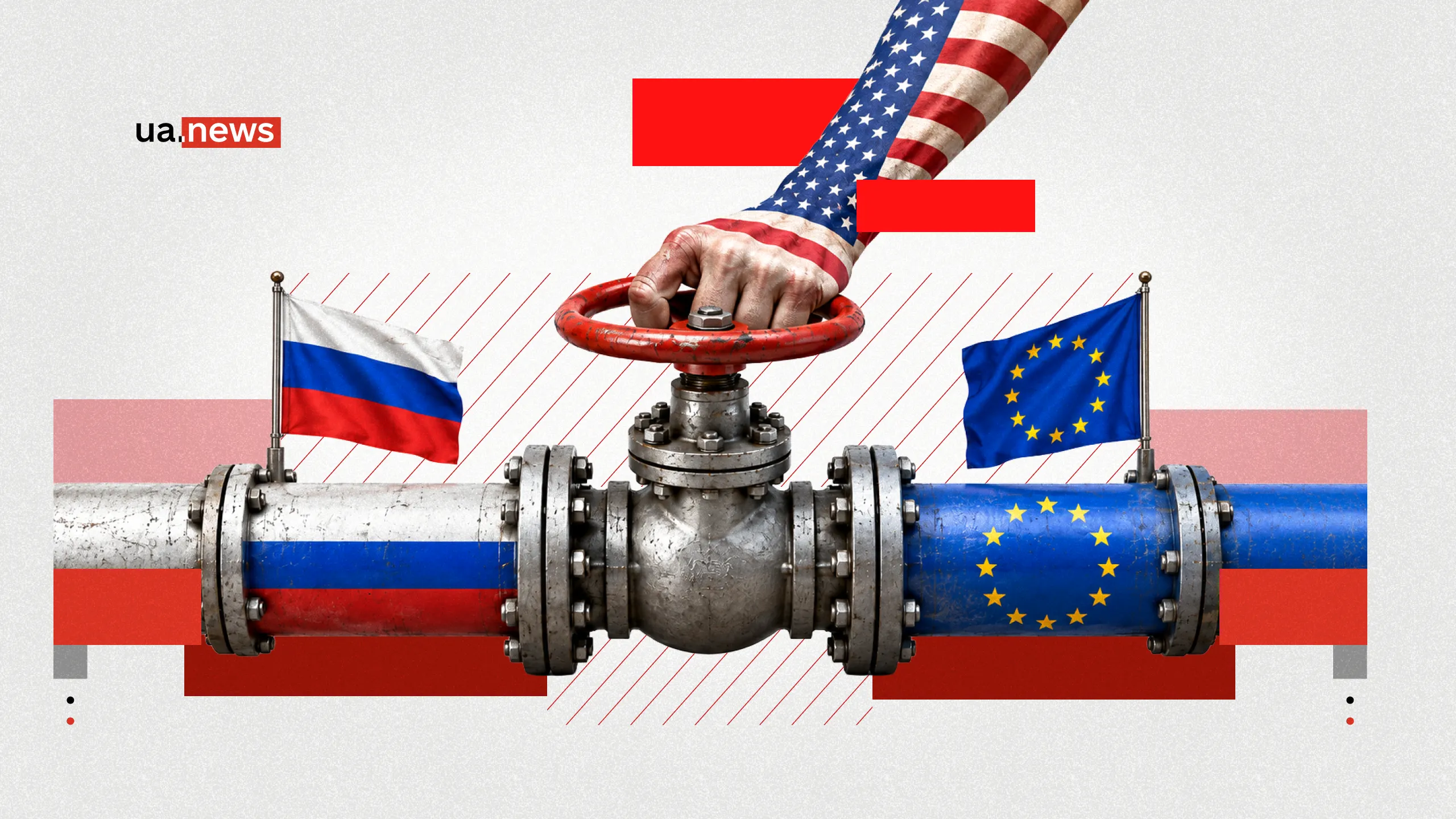
Russian gas, which had been one of the cornerstones of Europe’s energy sector before the full-scale war, has once again made its way onto the agenda of talks between Moscow and Washington. According to Reuters, U.S. and Russian officials are discussing the possible involvement of a U.S. investor in the Nord Stream project.
But bringing Russian gas back to Europe via the Baltic Sea is much more complicated than reaching an agreement between Washington and Moscow. Three of the four “Nord Stream” lines have been damaged by explosions, the pipelines are subject to sanctions, the EU has already legislated to phase out Russian gas, and Germany has no plans to allow their restart at this time.
UA.News explains what remains of the “Nord Stream” pipelines, who is suspected of blowing them up, why American capital might need Russian gas pipelines, and what needs to change for gas from Russia to flow directly to Germany again.
The U.S. and Russia Bring “Nord Stream” Back to the Negotiating Table
The current negotiations surrounding “Nord Stream” are taking place within the much broader context of potential economic cooperation between the U.S. and Russia. According to Reuters, U.S. Special Representative Jared Kushner and Kirill Dmitriev, head of the Russian Direct Investment Fund, have met in Moscow and New York over the past few weeks.
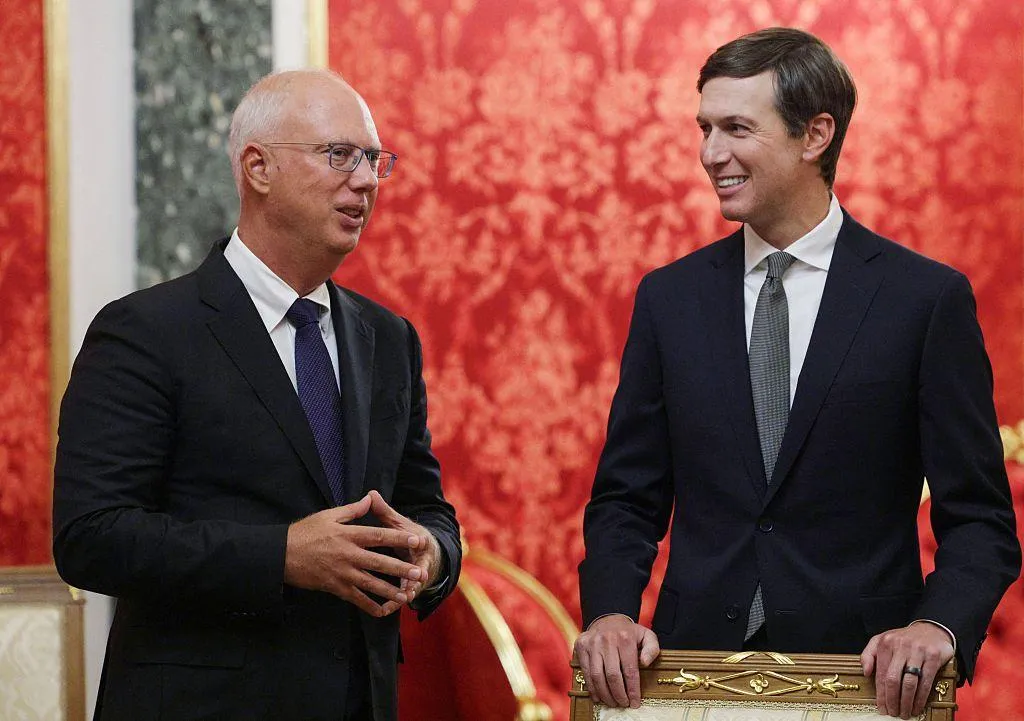
It is unclear how extensively the parties discussed the gas pipelines specifically. The agency’s sources claim that the “Nord Stream” issue remains on the agenda. At the same time, a White House spokesperson stated that there have been no separate negotiations regarding gas pipelines recently.
A potential arrangement might look something like this: an American investor would acquire a stake in the project and, should the war end and gas supplies resume, a share of the revenue from transporting Russian gas to Europe.
For Moscow, this could be a way to revive an asset that is currently blocked physically, legally, and politically. For American capital, it would be an opportunity to profit from the potential resumption of Russia’s energy trade with Europe’s largest market.
Kushner has previously promoted the concept of so-called “prosperity agreements”—economic arrangements designed to create financial incentives for maintaining peace. Following this logic, the resumption of energy trade could become one of the elements of the future postwar architecture.
However, there is a fundamental problem: the U.S. and Russia cannot decide the fate of the “Nord Stream” on their own. The gas pipelines terminate in Germany, and their use is regulated by EU law. Therefore, even a potential agreement between Washington and Moscow would not necessarily mean the return of Russian gas to Europe.
What Remains of the “Nord Stream” Pipelines After the Explosions
Until 2022, the “Nord Stream” system was the largest direct route for supplying Russian gas to Germany. In fact, it consists not of a single pipeline, but of four parallel lines. Two are part of “Nord Stream 1,” and the other two are part of “Nord Stream 2.”
The total design capacity of the two systems was about 110 billion cubic meters of gas per year—roughly 55 billion for each pipeline.
“Nord Stream 1” began operating in 2011 and, over the next decade, became one of the key routes for Russian gas supplies to Europe.
The second pipeline was intended to effectively double this capacity. “Nord Stream 2,” stretching over 1,200 kilometers, was laid along the bottom of the Baltic Sea from Russia to Germany. The combined capacity of its two lines was expected to add another 55 billion cubic meters of gas per year.
Long before the full-scale war, the project sparked serious controversy. Ukraine opposed it due to the risk of losing transit through the Ukrainian gas transmission system, Poland viewed the pipeline as a security threat, and the U.S. expanded sanctions against “Nord Stream 2.”
Construction was completed in 2021, but commercial operation never began. After Russia recognized the so-called “DPR” and “LPR” in February 2022, Berlin halted the pipeline’s certification process. Even before the full-scale invasion began, then-U.S. President Joe Biden had warned that “Nord Stream 2” would be halted if Russia attacked Ukraine.
On September 26, 2022, the situation changed irrevocably. Powerful underwater explosions occurred in the Baltic Sea near the Danish island of Bornholm. They damaged both lines of “Nord Stream 1” and one of the two lines of “Nord Stream 2.”
Thus, of the system’s four lines, only one remained intact—the second line of “Nord Stream 2.” That is why, in theory, it is not necessary to fully restore the system to resume even a portion of the gas supply. But the fact that one pipeline is physically intact does not mean that gas can simply start flowing through it.
“Nord Stream 2” was never certified for commercial operation, and after 2022, regulatory issues were compounded by sanctions and Europe’s de facto rejection of the old model of energy dependence on Russia.
Who blew up the “Nord Stream” pipelines and what is the current status of the criminal case
The question of who was behind the explosions on September 26, 2022, remains unresolved to this day. Over the course of four years of investigation into the Nord Stream sabotage, the case has evolved from numerous theories about possible organizers to a specific yacht, a group of divers, international arrest warrants, and a criminal trial in Germany.
Germany, Denmark, and Sweden each opened their own investigations following the sabotage. Investigators quickly established the key fact: the damage to the gas pipelines was not accidental.

After examining the sites of the explosions, Danish law enforcement concluded that it was a deliberate act of sabotage. However, in February 2024, Denmark suspended its own criminal investigation. After a complex investigation, law enforcement officials determined that there were insufficient grounds in the country for further criminal prosecution.
Almost simultaneously, Sweden closed its own case. There, investigators examined the site of the explosions, analyzed the movements of a large number of vessels, and conducted interviews, but found insufficient grounds to continue the case under Swedish jurisdiction. Some of the collected evidence was transferred to Germany.
It was the German investigation that ultimately made the most progress. According to German investigators, the sabotage group used the yacht Andromeda, which had been rented using forged documents. The group traveled on it to the Baltic Sea region, where divers allegedly planted explosive devices on the gas pipelines.
Ukrainian citizens found themselves at the center of the investigation. One of the key defendants was Serhiy K. He was arrested in Italy in 2025 and subsequently extradited to Germany. The German public prosecutor’s office considers him one of the participants in the operation. Serhiy K. himself denies any involvement in the sabotage of the gas pipelines.
The case is now entering a new phase. The first hearings in the case against Serhiy K. are scheduled to begin in Hamburg on October 14, 2026. A series of court sessions is currently planned, and the trial itself could last several months.
Another person implicated in the German investigation is Ukrainian diver Volodymyr Zhuravlev. Investigators believe he may have been part of the same group and directly participated in the dives to plant the explosives.
However, even the identification of specific defendants does not provide a definitive answer to the main question—who exactly organized the operation. The presence of Ukrainian citizens among the suspects does not in itself prove the involvement of the Ukrainian state. The theory that the operation may be linked to Ukrainian government agencies has yet to be assessed by a court, while the Ukrainian side has denied any involvement in the sabotage.
A single intact pipeline is not enough to restore Russian gas supplies
Even if the second line of “Nord Stream 2” remains physically operational, it is simply impossible to “turn on the valve” today. First and foremost, the pipeline never received final approval for commercial operation in Germany. The certification process was halted even before the full-scale war began.
Since then, legal problems have only piled up. The European Union has imposed a separate ban on transactions related to “Nord Stream 1” and “Nord Stream 2.” In other words, under the current sanctions regime, it is impossible to resume commercial operation of the pipelines.
Therefore, the potential arrival of an American investor will not, by itself, solve the problem. Washington may ease or lift its own restrictions, but U.S. decisions do not override European Union sanctions.
Furthermore, any restart would require Germany’s approval. The German Ministry of Economy and Energy previously reported that the country has already found alternative sources of supply. Resuming operations of the gas pipelines would require approval from the federal government, and the current government does not want this.
Separately, the technical condition of the system will have to be assessed after several years of inactivity. And if the parties wish to restore not just one surviving line but a significant portion of the former capacity, a much more complex issue will arise: the repair of sections damaged by explosions.
Therefore, even under a favorable political scenario, the return of the “Nord Stream” pipelines to their former scale cannot happen overnight.
Europe is already legislatively phasing out Russian gas
The biggest obstacle to the restoration of the “Nord Stream” today does not lie at the bottom of the Baltic Sea at all. The European Union has already transformed the move away from Russian gas from a political goal into a legal norm.
In January 2026, the Council of the EU finally approved a regulation on a phased ban on imports of Russian pipeline gas and liquefied natural gas. A transition period is provided for existing contracts. However, for long-term contracts, imports of Russian LNG must cease as of January 1, 2027.
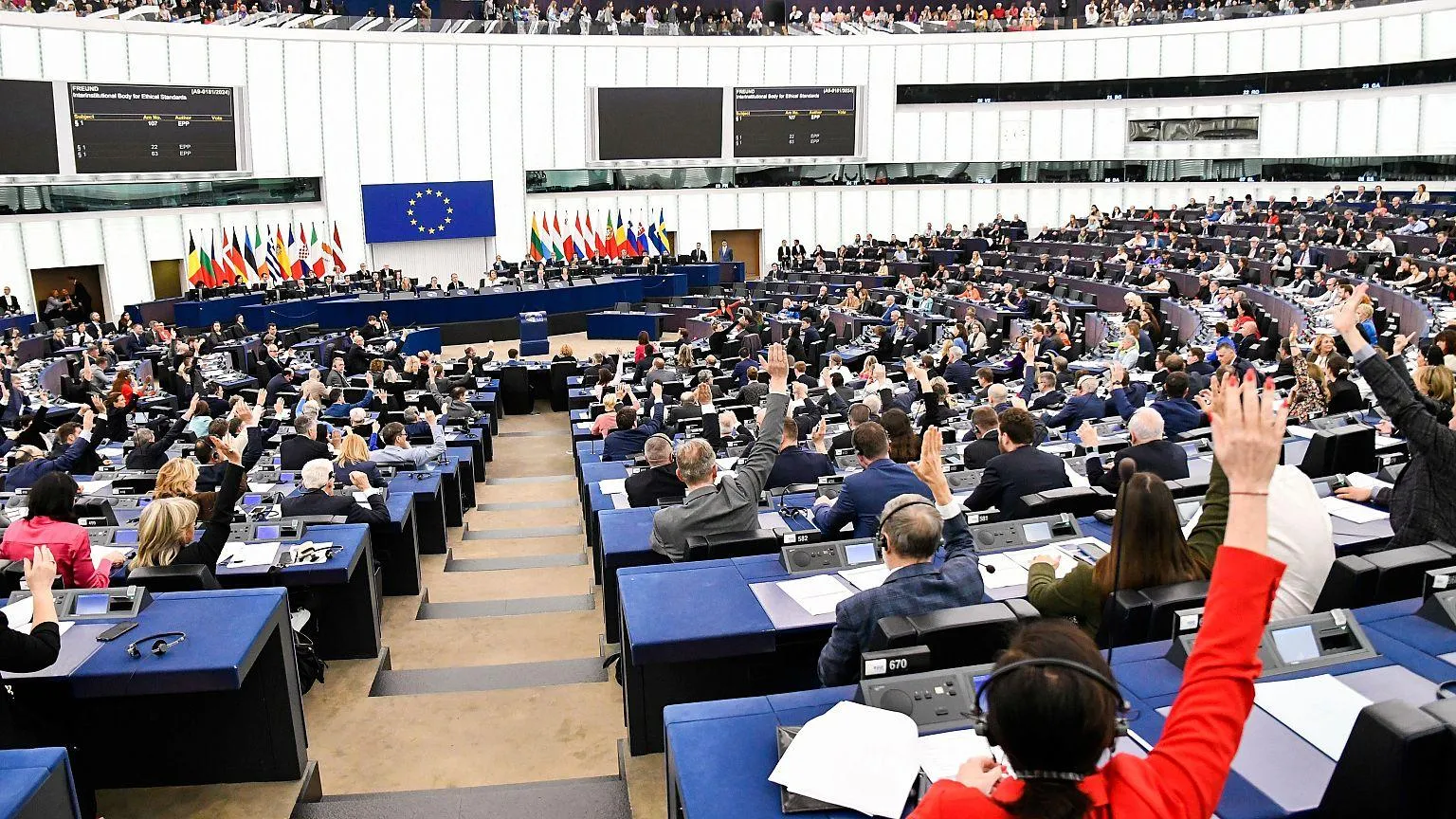
This fundamentally changes the debate surrounding “Nord Stream.” Just a few years ago, it would theoretically have been enough for Berlin to change its political stance on the pipeline. Now, resuming large-scale deliveries of Russian gas via the Baltic Sea would violate the laws of the entire European Union.
Moreover, the new rules require verification of the gas’s country of origin. This means that a change in the pipeline’s ownership alone would not allow the ban to be circumvented.
Europe has already learned to live without “Nord Stream”
There is another fundamental problem: the European gas market in 2026 bears no resemblance to the market in 2021. Before the full-scale invasion, Russia supplied about 45% of the European Union’s gas imports. After 2022, this dependence declined sharply.
According to EU estimates, by 2025 Russian gas accounted for only about 13% of the Union’s gas imports. Europe did not simply replace one supplier with another. The very structure of the market has changed.
Norway became one of the main sources of pipeline gas. At the same time, shipments of liquefied natural gas (LNG) from the United States and other countries rose sharply.
Even at the outset of the market restructuring, Europe began seeking alternatives to Russian gas, particularly by increasing LNG imports. At the same time, European countries accelerated the construction of floating and stationary terminals, expanded port infrastructure, and enhanced gas transportation capabilities between countries.
Germany was a particularly telling example: until 2022, it had virtually no infrastructure of its own for the direct receipt of LNG, but was forced to build it in an extremely short time.
This restructuring was costly. The sharp reduction in Russian supplies triggered an energy shock, and high prices hit Germany’s chemical, metallurgical, and other energy-intensive industries particularly hard.
This is precisely the basis for one of the main arguments of those in favor of a return to Russian gas: cheaper energy could help restore the competitiveness of European industry.
At the same time, however, Europe has spent enormous resources precisely to ensure that the shutdown of a single route from Russia could no longer trigger a large-scale energy crisis. Therefore, the “Nord Stream” pipeline no longer occupies the indispensable position it held in the early 2020s.
There is no unified position in Germany on the return of Russian gas
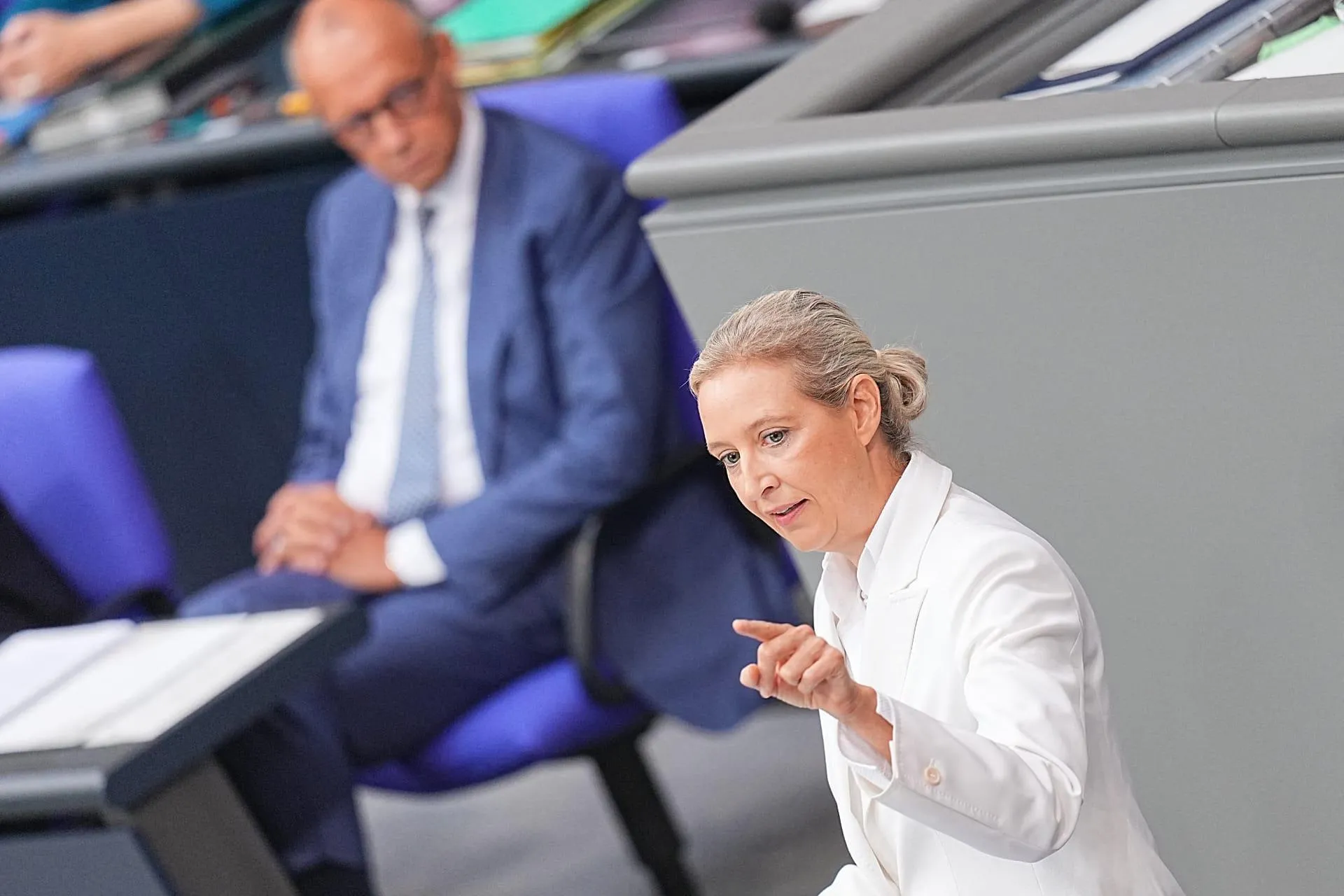
The most interesting political struggle surrounding the “Nord Stream” pipeline may unfold in Germany. For Berlin, Russian gas has been more than just one of its energy sources for decades. Relatively cheap pipeline gas became an integral part of the economic model of German industry.
Before the full-scale invasion, Germany received more than half of its gas from Russia. The current federal government does not want to return to this model. However, there is no consensus within the country.
“Alternative for Germany” (AfD) advocates resuming purchases of Russian energy resources. Kirill Dmitriev is set to meet with AfD leadership early next year, and one of the topics is expected to be the possible resumption of Russian gas sales to Germany.
Against the backdrop of high energy costs, the argument for cheaper pipeline gas remains appealing to some German businesses and voters. Consequently, “Nord Stream” is gradually becoming not only an international issue but also a domestic political one for Germany.
Poland and the Baltic states do not want a return to the old gas model
Even a shift in Berlin’s position would not automatically mean support from the rest of Europe. Poland and the Baltic states remain the staunchest opponents of a return to Russian energy supplies.
For them, “Nord Stream” has been, long before 2022, primarily a security issue.
Critics of the project warned that a direct Russia-Germany route would allow Moscow to bypass transit countries in Central and Eastern Europe while increasing the dependence of the EU’s largest economies on Russian resources.
This issue directly affected Ukraine as well. Even during the construction of “Nord Stream 2,” Kyiv opposed the pipeline due to the threat of a reduction or cessation of Russian gas transit through the Ukrainian gas transmission system.
Following the full-scale invasion, these concerns became one of the central arguments in European energy policy.
That is precisely why a potential U.S.-Russian agreement could spark a new dispute within the EU: some politicians may talk about cheaper energy and industrial recovery, while others may warn of a return to strategic dependence on Moscow.
An American owner won’t turn Russian gas into American gas
Bringing in a U.S. investor could be a central political element of a potential deal. U.S. participation would allow the relaunch of “Nord Stream” to be presented not as a simple return to Europe’s contracts with “Gazprom,” but as a new model involving Western financial interests and a certain degree of U.S. oversight.
But the origin of the gas itself would not change. If it is produced in Russia and flows to the EU via the Baltic Sea, it will remain Russian. New European regulations require verification of the country where the gas was produced.
Therefore, simply changing the pipeline’s owner will not automatically allow the ban to be circumvented. There is another problem—a complex ownership structure.
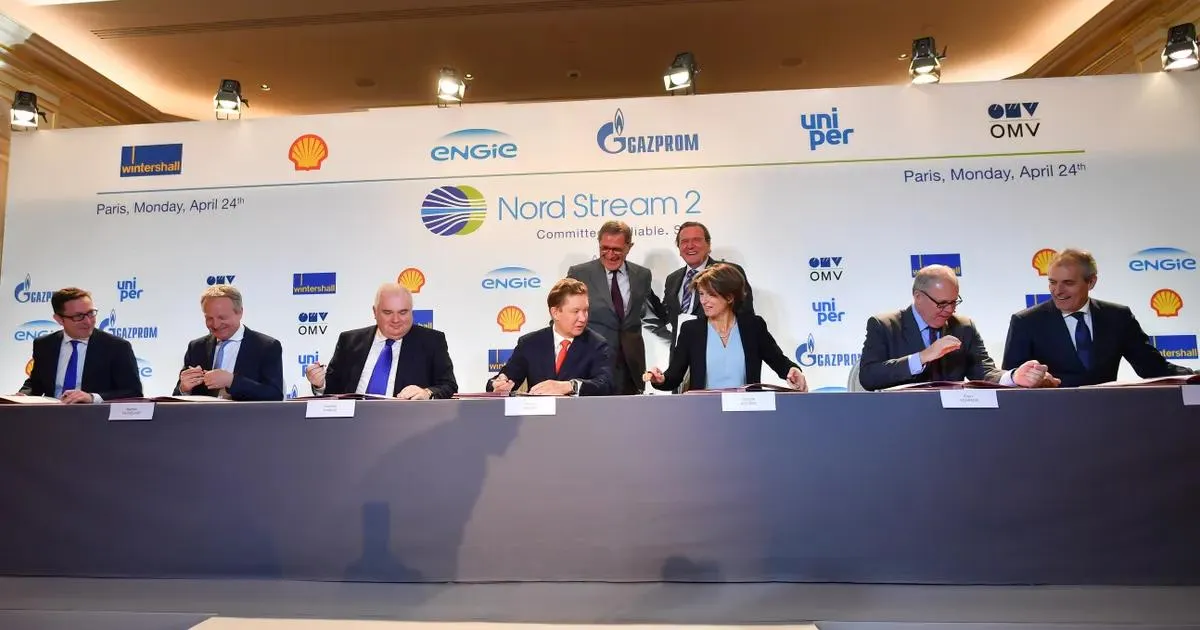
According to Reuters, Russia’s Gazprom controls 51% of Nord Stream AG. Another approximately 31% is divided between two German shareholders, with the remainder belonging to French and Dutch companies.
According to the agency, the German shareholders want to retain their stakes even if Gazprom’s stake is sold, so that Berlin does not lose its influence over this strategic infrastructure.
Thus, a potential deal is not simply a matter of Americans buying a Russian pipeline. It would require a restructuring of ownership, sanctions regime, permits, and future gas contracts.
Russian gas has not, in fact, completely disappeared from Europe
Talking about the “return” of Russian gas is only relative—it is still flowing into the European Union. After transit through Ukraine ceased, one of the main pipeline routes remained “Turkish Stream” and its extension through Southeast Europe.
In addition, European countries continued to import Russian LNG. According to the Council of the EU, even in 2025, Russian gas still accounted for approximately 13% of the EU’s gas imports and cost over 15 billion euros per year.
That is precisely why the transition away from it is taking place in stages: some companies continue to fulfill previously signed long-term contracts. But the scale of Russia’s presence is no longer comparable to what it was before the war.
The “Nord Stream” pipelines were designed to transport up to 110 billion cubic meters of gas per year through both lines combined.
Therefore, their full-scale return would mean not just maintaining residual supplies, but a potential overhaul of the entire energy model that Europe has been building since 2022.
What needs to happen for “Nord Stream” to resume operations
Theoretically, the return of Russian gas via the Baltic Sea is possible. One line of “Nord Stream 2” remains physically intact, and Moscow makes no secret of its readiness to resume deliveries.
But between this technical possibility and actual delivery lies a whole chain of political, legal, and technical decisions. First and foremost, the political context of the war must fundamentally change.
After that, the U.S. will have to review its own sanctions. The European Union will have to lift the ban on transactions involving “Nord Stream 1” and “Nord Stream 2.” Even more challenging will be revising the already adopted regulation on a complete phase-out of Russian gas.
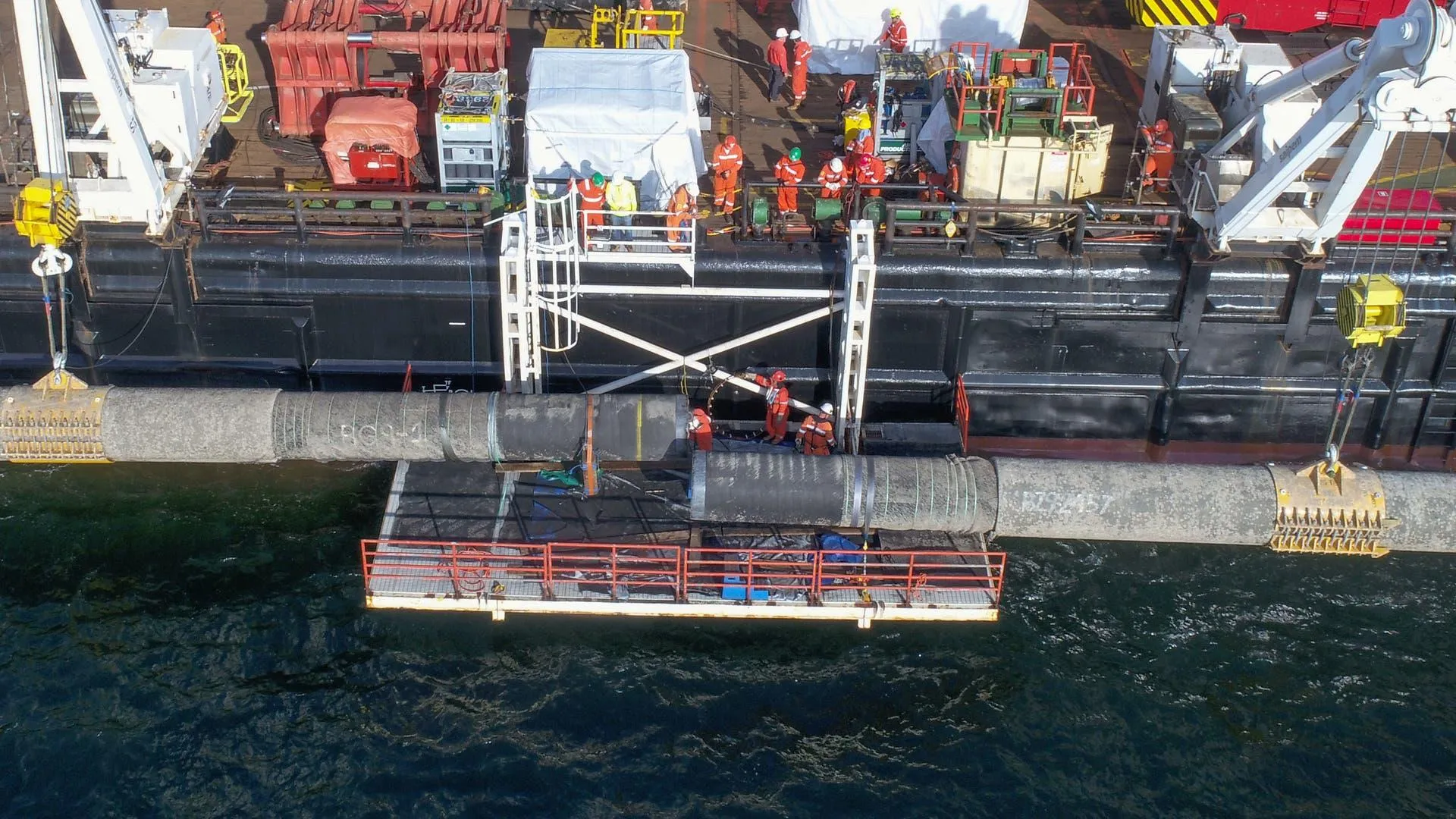
Germany, separately, will have to authorize the use of the pipeline and resolve the issue of its certification. At the same time, it will be necessary to agree on the ownership structure, conduct a full technical inspection of the surviving infrastructure, and determine who will purchase the gas.
It will be even more difficult to restore the system to its pre-war capacity. A single intact pipeline is not enough for this—sections damaged by explosions must be repaired.
And all of this will have to be done in Europe, which has spent billions over the past four years precisely to end its dependence on these pipelines. Therefore, the question today is no longer whether Russia is physically capable of supplying gas to Germany again. At least partially, that possibility remains.
The main question is whether Europe itself will want to bring back a system it has consistently rejected over the past four years. So far, the answer from Brussels and Berlin has been no. But the return of “Nord Stream” to the negotiating table between the U.S. and Russia shows that Moscow has not given up on its key gas asset.
Now the pipeline can be viewed not merely as energy infrastructure, but as a potential component of a much larger postwar economic agreement between Russia, the U.S., and Europe.




