
June 14: Armenia commemorates the victims of Soviet repression
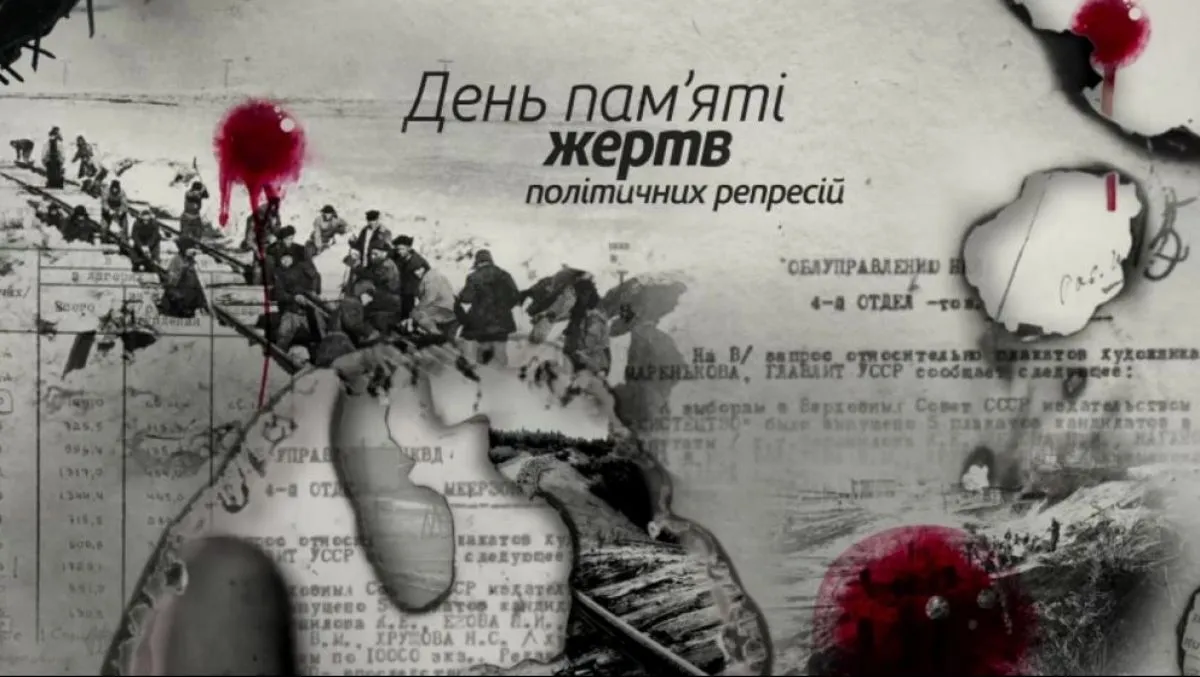
Every year on June 14, Armenia observes the Day of Remembrance for the Victims of Soviet Repression. On this day, the country commemorates the thousands of people who were arrested, deported, or killed during Stalin’s reign of terror.
This date serves as a reminder of one of the most tragic chapters in the history of Armenia and the entire former Soviet Union. Commemorative events are held throughout the country, and people visit memorials to pay their respects to the victims.
Every year on June 14, Armenia honors the memory of those who fell victim to Soviet repression. For the country, this is not just a historical date, but a day of mourning and a reminder of the events that forever changed the lives of tens of thousands of families.
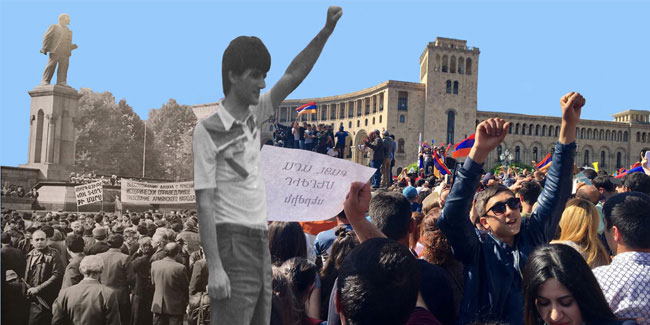
It was on June 14, 1949, that Armenians began to be deported en masse to Siberia and other remote regions of the Soviet Union. People were taken right from their homes, often in the middle of the night. Many did not even know what they were accused of. Among those deported were teachers, scientists, military personnel, priests, writers, farmers, and entire families with children. For Armenia, these events became one of the most painful chapters of the 20th century. Many people never returned home, and those who managed to survive carried memories of exile and the camps with them for years.
Why June 14?
The date is linked to the mass deportations carried out by the Soviet authorities after World War II. In June 1949, thousands of residents of the Armenian SSR were forcibly deported to the Altai Krai, Siberia, and Kazakhstan. After gaining independence, the Armenian government decided to officially establish a day of remembrance so that future generations would not forget these events. Since then, memorial events and ceremonies have been held every year on June 14.
Historians note that the repressions affected virtually every republic of the former USSR. However, for Armenia, the deportations of 1949 hold special significance, as they were among the largest in the country’s history.
How Armenia honors the victims
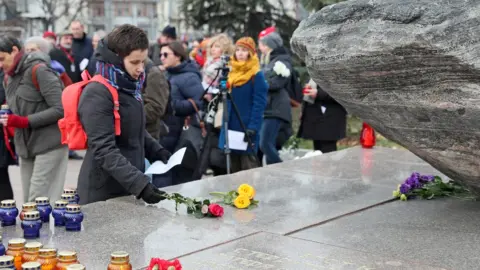
On this day, memorial ceremonies are held in Yerevan and other cities. People lay flowers at memorials, light candles, and remember their relatives who suffered from the repressions. Government officials, public figures, and historians participate in commemorative events. Schools, museums, and libraries organize themed exhibitions, lectures, and gatherings dedicated to the tragic events of the past.
In many families, this day is observed quietly and without fanfare. People look through old photographs, recall the stories of their ancestors, and pass these memories on to their children and grandchildren.
Tragic Pages of Soviet History
Repression in Armenia began as early as the 1930s during Stalin’s Great Terror. At that time, thousands of people were arrested and accused of “hostile activities,” espionage, or anti-Soviet sentiments. Some of the convicted were shot, while others were sent to Gulag camps. Writers, artists, military personnel, clergy, and members of the intelligentsia fell victim to the repressions.
After the war, the wave of persecution did not stop. In 1949, new deportations began, which became some of the largest in the postwar period. Historians note that the exact number of victims remains difficult to determine. Many archives remain incomplete, and some documents were destroyed.
Interesting Facts About Remembrance Day
Every year on June 14, government agencies and civil society organizations in Armenia hold special events dedicated to the victims of repression. Flowers and lit candles, which people leave at memorials, have become one of the symbols of this day.

Dozens of books and documentaries have been published in Armenia about people who survived exile and the camps. Many families still keep letters, photographs, and personal belongings of their relatives who were deported. In the country’s museums, you can see archival documents and eyewitness accounts from those who survived those terrible years.
Why it is important to remember this
For Armenian society, this day is not only a reminder of the past but also a warning for future generations. “Remembering the victims of repression is necessary to ensure that such tragedies never happen again,” emphasize historians and human rights activists. “Every family has its own story connected to these events, and it is memory that helps preserve the truth,” note participants in the memorial events.
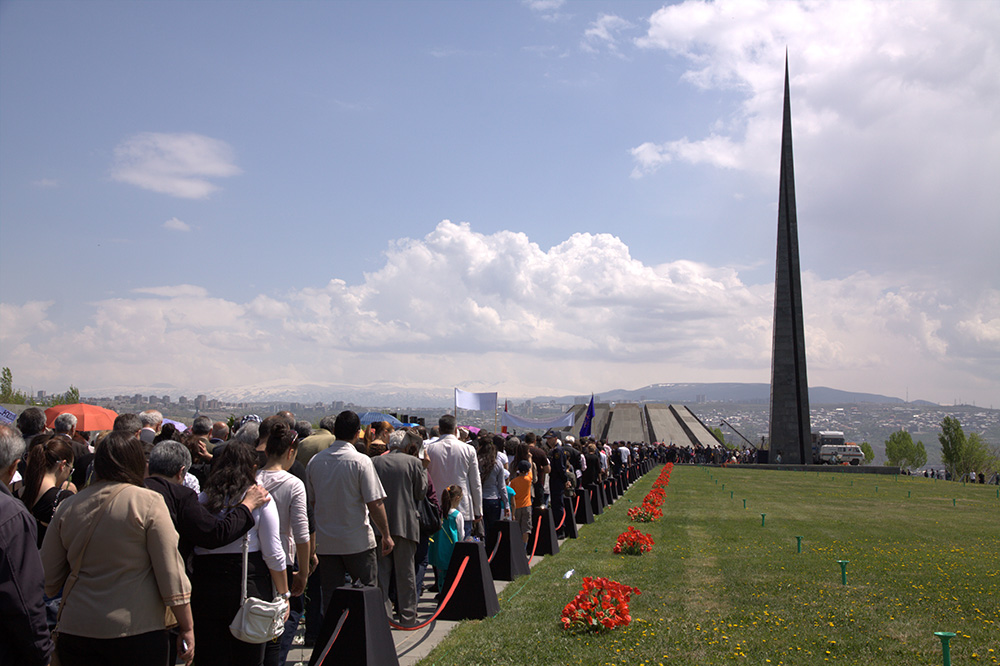
The Day of Remembrance for the Victims of Soviet Repression in Armenia serves as an annual reminder of the price of freedom and human dignity, and of how important it is to preserve historical memory. It is a day of mourning, respect for the past, and honor for the people whose lives were shattered by the totalitarian system.


