
Malta’s High Commissioner proposes AI partnership with Ghana
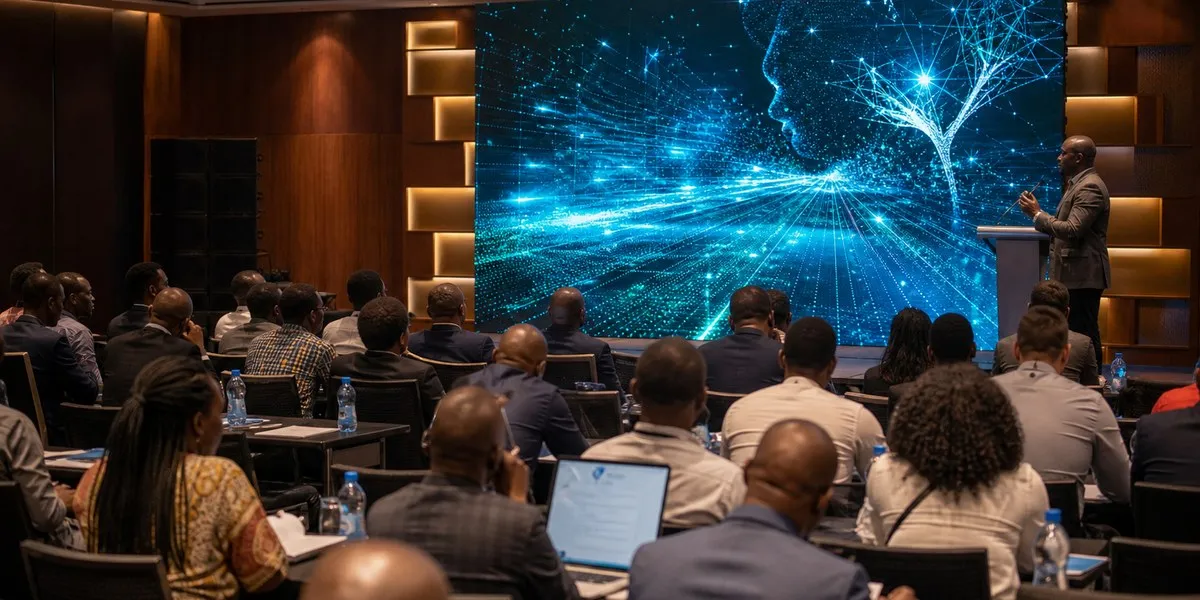
Malta’s High Commissioner to Ghana, Ronald Micallef, proposed launching a practical partnership between the two countries in artificial intelligence during One Vecta Africa AI Week 2026 in Accra. MyJoyOnline reports.
According to the diplomat, Malta and Ghana can combine Malta’s institutional flexibility and European regulatory experience with Ghana’s human capital, scale and regional influence. He proposed holding a structured dialogue involving governments, regulators, universities and the private sector.
Practical initiatives
Micallef stressed that the dialogue should move from broad declarations to a small number of practical initiatives. For each of them, responsible institutions and measurable outcomes should be identified, he said.
He cited Malta’s experience, which launched a national artificial intelligence development strategy in 2019 with a horizon through 2030. One of the key institutions in this area is the Malta Digital Innovation Authority, which is legally designated as the notifying authority and the main market surveillance authority under the European Union’s Artificial Intelligence Act. It works alongside other relevant regulators.
The diplomat also mentioned the free online AI for All programme, developed by the Malta Digital Innovation Authority jointly with the University of Malta. The programme is available in Maltese and English to citizens and residents aged 14 and over and provides basic knowledge about AI.
More current news is available on the UA.News Telegram channel Telegram.
Education, ethics and sovereign technologies
In Micallef’s view, people should not only use artificial intelligence but also be able to question its answers, recognise the technology’s limitations and understand its impact on life. He linked this topic to Ghana’s Sankofa tradition, raising the issue of preserving languages, historical memory and knowledge in the development of AI.
Micallef also mentioned the Malta-supported ETHICS project, which is being developed together with Step Up Nigeria and partners in Ghana. The initiative encourages young people to reflect on honesty, empathy, responsibility, fairness and service in everyday life and communities.
Among possible areas of Maltese-Ghanaian cooperation, he named ensuring AI reliability and regulation, improving artificial intelligence literacy, ethical education, data governance, joint research and engagement with the future Centre for Sovereign Technologies on the Maltese island of Gozo. The centre is at the formation stage and is conceived as a solar-powered platform for research and testing of sovereign technologies, including artificial intelligence.
Micallef stressed that cooperation should not involve simply transferring one country’s model to another, but should take into account the national realities of Malta and Ghana.


