
Israeli Navy moves toward a semi-autonomous fleet — Jerusalem Post
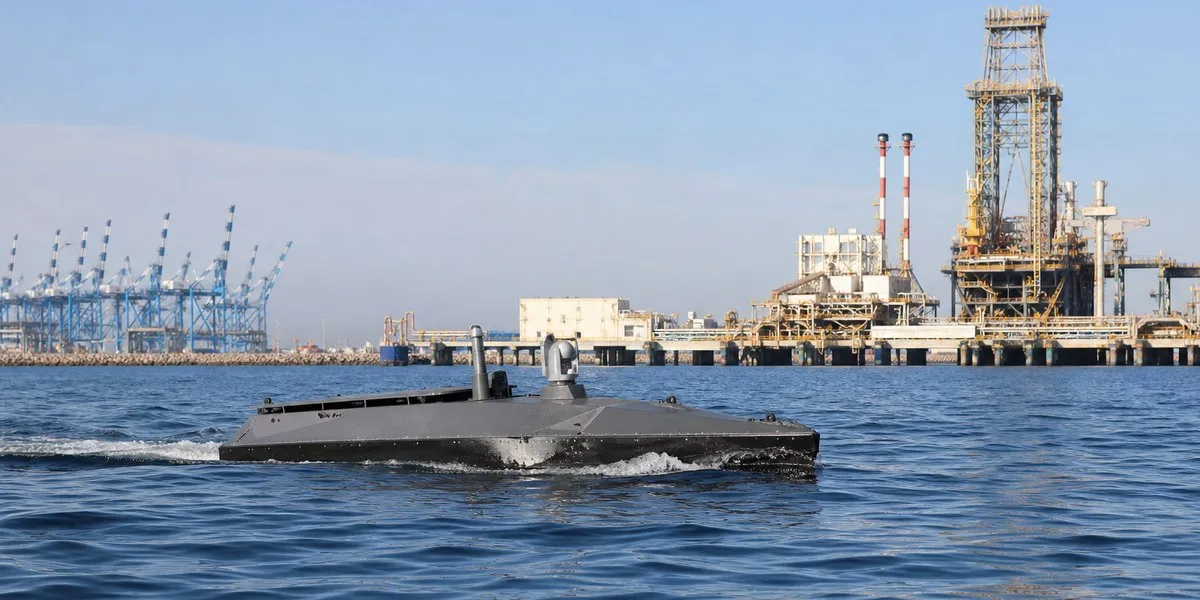
The Israeli Navy is moving toward creating a semi-autonomous fleet that could eventually become almost fully autonomous. This was reported by the Jerusalem Post, citing the Israel Defense Forces.
According to the publication, the Israeli Navy has already used autonomous maritime vehicles in recent years. At the same time, the timeframe for deploying groups of such systems at sea has not yet been specified.
Unmanned ships
Elbit Systems is among the Israeli companies developing the relevant technologies. Its 12-meter autonomous surface vessel, Seagull, is designed to patrol maritime infrastructure for up to four days. The system can also be used for mine countermeasures, anti-submarine warfare, maritime security and electronic warfare.
The Israeli Navy said it is ahead of France, Singapore and the Netherlands in using robotic and autonomous technologies in naval forces. These countries are also reorienting their navies toward autonomous operations.
More current news is available on the UA.News Telegram channel Telegram.
More ships without increasing crews
The need for robotization is linked to the fact that ships can remain at sea for weeks or longer. The Israeli Navy also says it needs to increase the number of ships to protect national interests at sea amid threats from Turkey, as well as potentially Iran, Yemen's Houthis and other forces.
At the same time, the navy does not expect a significant increase in personnel for new ships. Therefore, fleet expansion is linked to reducing the number of service members on board and, later, transitioning to ships with minimal or almost no crews. At the initial stage, military personnel may focus on the maintenance and security of robotic systems.
The Israel Defense Forces also take into account that adversaries may use robotic and autonomous systems against the country. Protecting underwater cables has been identified as a separate task, as China, Russia and other states have explored possibilities of damaging them.


