
Akyem-Esase chief in Ghana urges consultation with traditional leaders on concessions
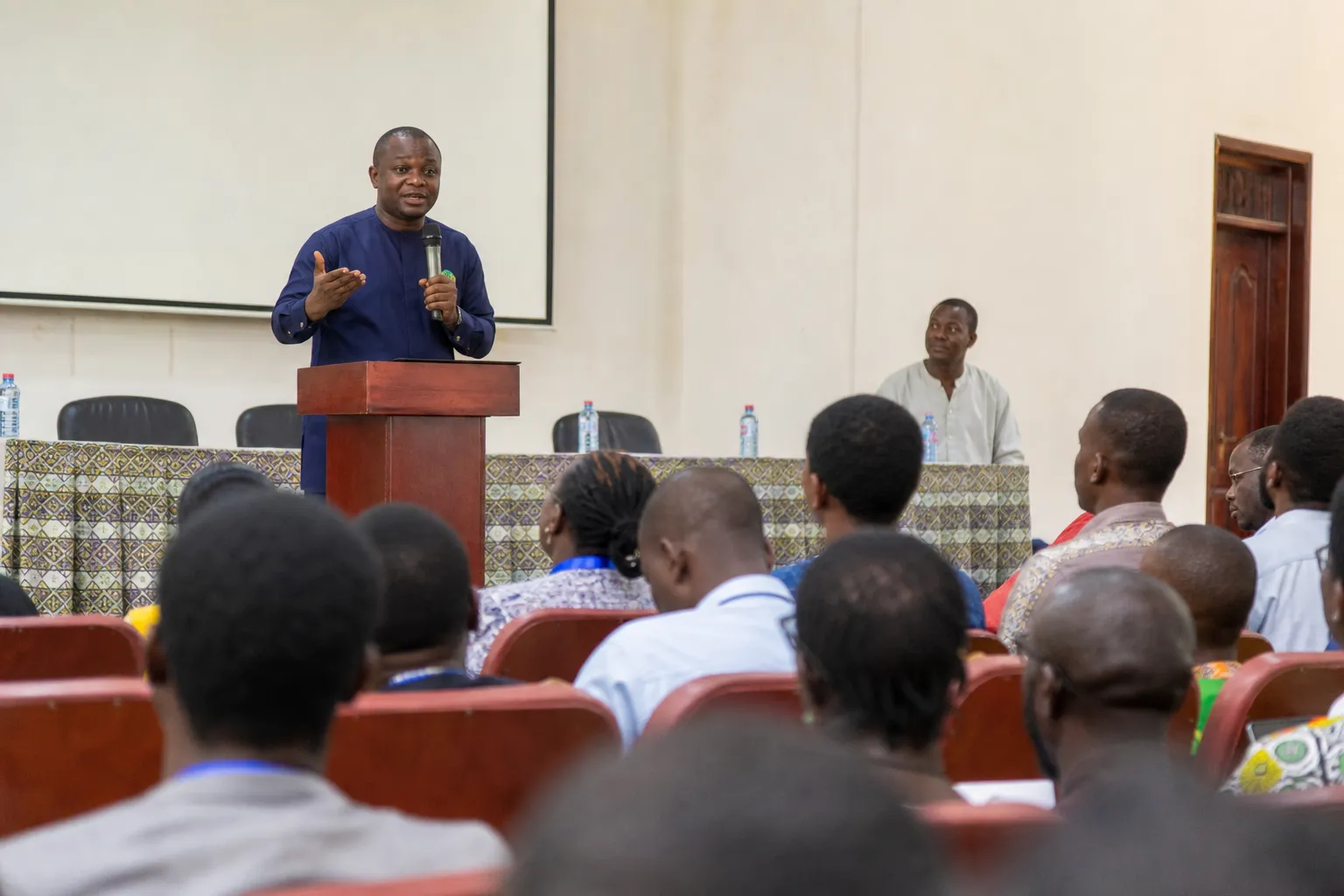
Baffour K. S. Sikabede, chief of Akyem-Esase (Apaapam) in Ghana, called on the government and state institutions to consult traditional leaders and provide them with resources before granting mineral extraction concessions on lands under their custodianship. He made the statement on September 2, 2026, at the fourth annual colloquium organized by the Department of Political Science Education at the University of Education, Winneba, MyJoyOnline reports.
The role of traditional leaders
According to Sikabede, involving chiefs only after extraction activities have already damaged the environment undermines their responsibility for the lands and weakens the protection of forests and water bodies. He said traditional rulers are not merely ceremonial figures, but have historically served as environmental regulators, using customary rules and prohibitions to preserve natural resources.
The chief cited examples of forests traditionally protected from human activity, as well as bans on fishing on designated days. Some rivers, he said, were regarded as living entities that should be treated with respect rather than as resources to be depleted.
Sikabede asked whether Ghana recognizes traditional leaders as partners in monitoring compliance with environmental standards, or whether it will leave them without authority while concessions are granted on lands entrusted to their custodianship.
More current news is available on the UA.News Telegram channel Telegram.
Law enforcement and illegal mining
In Sikabede's view, Ghana's environmental governance problem is not a lack of laws on mining, forests, or water resources, but the absence of political will to apply them equally. He called for legislation to be applied equally to small-scale miners in remote areas and to concession holders with influential connections.
He also urged other traditional leaders to demonstrate integrity in managing natural resources and not yield to financial incentives that could harm the future of their communities. Sikabede said that during his reign, illegal mining operations will not be allowed to operate on Akyem-Esase lands.
In addition, he called on universities to conduct research to strengthen environmental accountability and explain its findings in language understandable to farmers and the general public. The chief urged students to protect natural resources through student associations, churches, and public platforms.


