
Taiwan deputy foreign minister calls arms supplies a US interest — Jerusalem Post
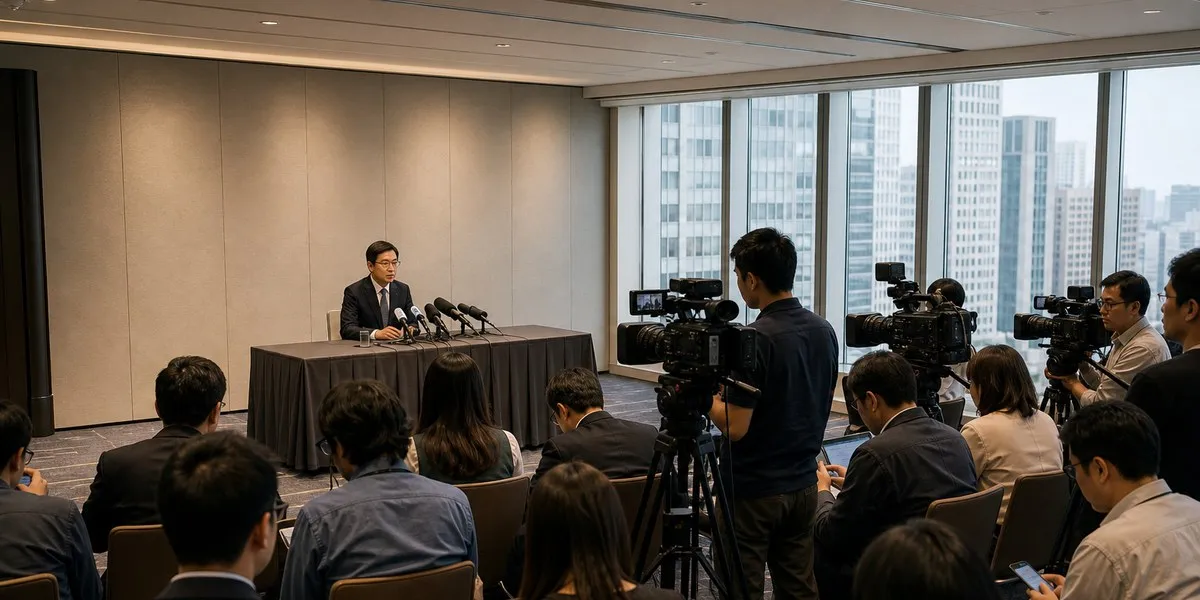
In Taipei, Taiwan, Deputy Foreign Minister François Wu said that the supply of US weapons to the island is in the national interests of the United States. As reported by the Jerusalem Post, the diplomat made the statement after the conclusion of a three-day summit between US President Donald Trump and Chinese President Xi Jinping in Washington.
Taipei's position
Wu questioned whether concessions regarding Taiwan would serve the interests of the United States. According to him, continuing military sales, providing Taiwan with sufficient self-defense capabilities, and preserving the contribution of Taiwan's semiconductor industry to global production are important US interests.
Taiwan's government rejects Beijing's claims of sovereignty over the island. Taiwan is a major producer of advanced chips used for the development of artificial intelligence.
US-China talks
The Trump-Xi summit ended without significant public agreements on a number of contentious issues, including Taiwan. During the meeting in Washington, Xi expressed hope that the United States would adhere to its position against Taiwan's independence, which he called “correct.”
More current news is available on the UA.News Telegram channel Telegram.
After meeting Xi in Beijing in May, Trump said that he was holding a Taiwan arms sale package pending a decision. In December, his administration approved an $11 billion arms sale—the largest in history; the second package is worth about $14 billion.
US ambassador's statements
US Ambassador to China David Perdue said in an interview with CNBC that Trump had not changed policy on Taiwan, including the 1979 Taiwan Relations Act, which provides for arms sales to the island. He also said that the United States seeks peace in the Taiwan Strait and does not support coercion or Taiwan's independence.
Wu noted that Taiwanese authorities are in constant contact with Washington regarding the summit's outcome. He added that Taipei is preparing, maintaining communication and making inquiries, while awaiting further US decisions on military supplies.




