
Starship engine failure in the US may affect NASA’s Moon schedule — Jerusalem Post
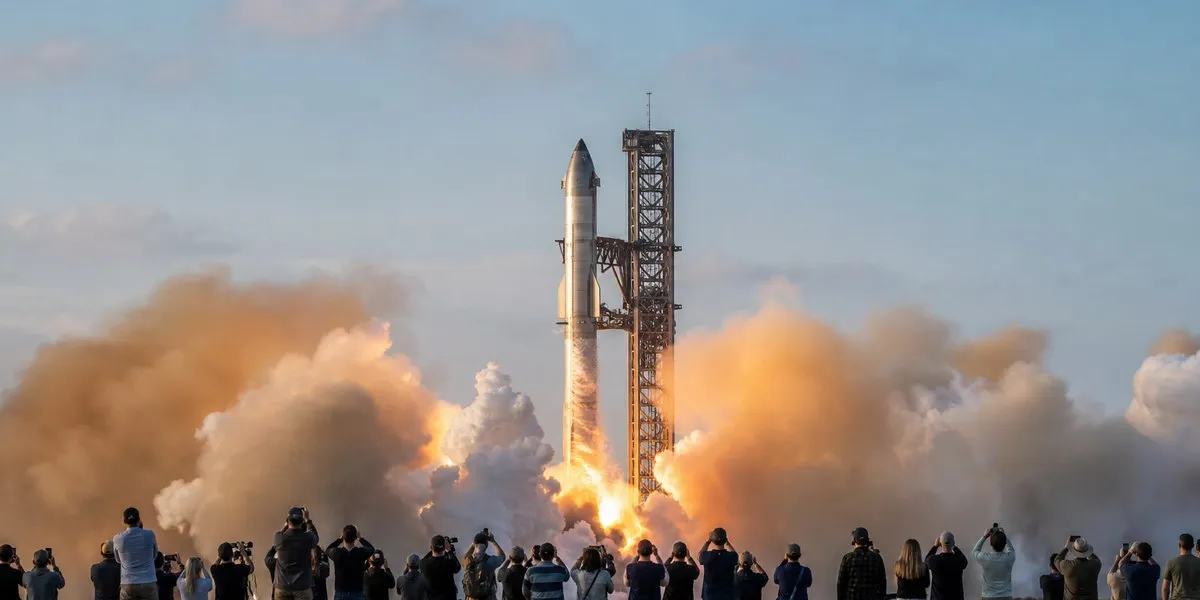
During the 14th uncrewed test flight of Starship in Texas, United States, one of the three main Raptor engines unexpectedly shut down after the spacecraft separated from the Super Heavy booster. According to the Jerusalem Post, the failure could complicate adherence to NASA’s schedule for future crewed missions to the Moon.
Despite the malfunction, controllers continued the flight and sent Starship into orbit for its first commercial satellite deployment there. However, the mission was ended several hours early because of a problem with the propulsion system.
Importance for the Artemis program
Starship is one of two spacecraft competing for the role of a lunar lander for NASA. The agency officially plans to return astronauts to the Moon’s surface in 2028. The lunar version of Starship is expected to use the same propulsion system for carrying astronauts in space and to and from the lunar surface.
More current news is available on the UA.News Telegram channel Telegram.
Dean Slayden, an aerospace engineer at Accu Components, said that the consequences of the incident would depend on whether the malfunction was an isolated failure of a single component or indicated a broader design problem that would require updates for the entire fleet of spacecraft. According to him, any fix that delays subsequent flights will affect the program’s schedule.
Previous problems with Raptor
Problems with Raptor engines and the propulsion system have already caused delays in the Starship program. During the 12th flight in May, one of the engines did not start as planned, while in some previous missions SpaceX canceled a test of the Raptor’s reignition in space. At the same time, during the 13th flight in July, all engines operated successfully during the ascent phase.
SpaceX is developing a Starship-based Human Landing System for NASA to land people on the Moon. The company is competing with Blue Origin, which is developing its own Blue Moon lander. NASA Administrator Jared Isaacman said in April that the agency would select whichever lander is ready to fly first.




