
UN report: climate and clean air action could prevent 144 million deaths by 2050
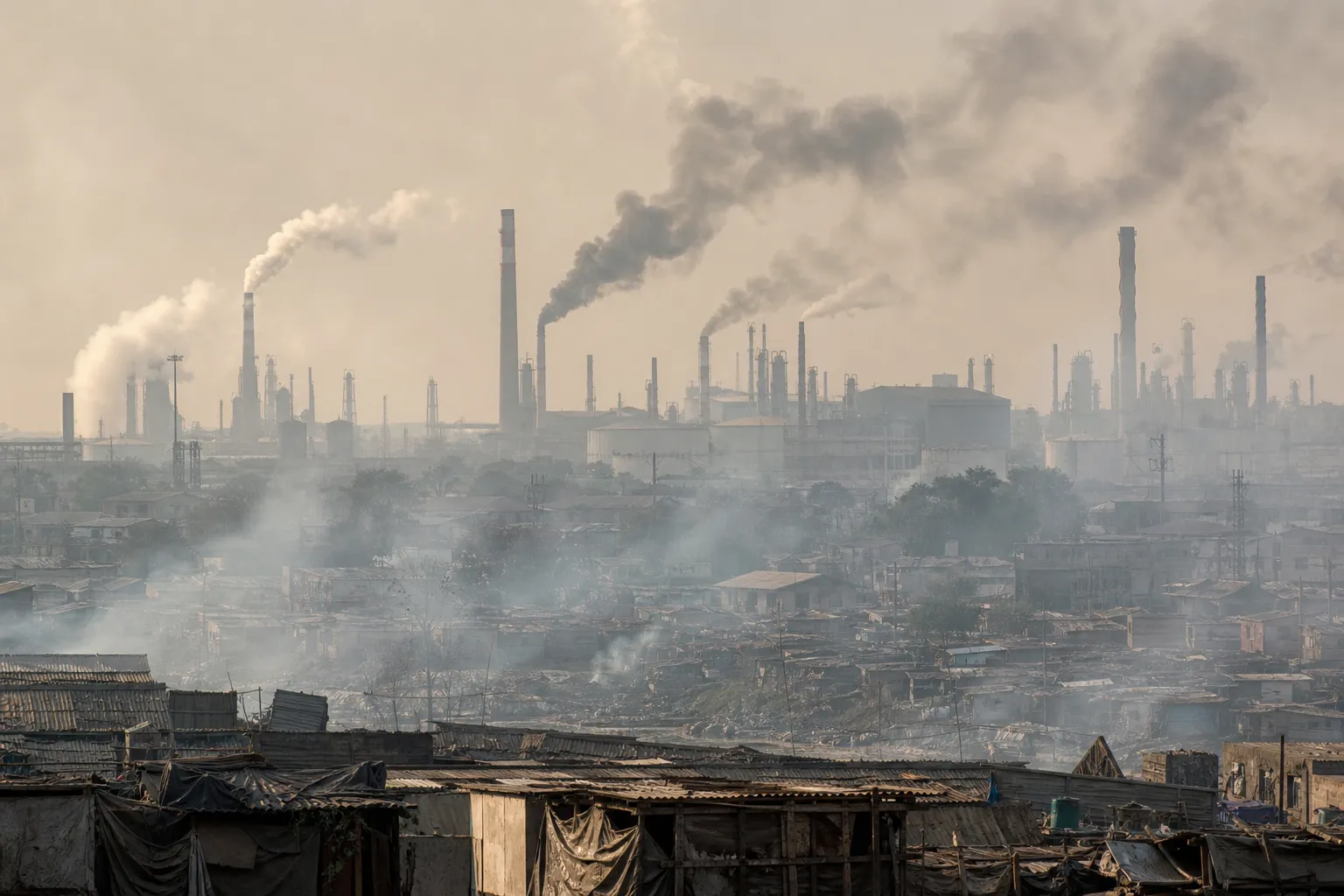
Nigerian outlet Premium Times Nigeria reported that comprehensive measures against climate change and air pollution could prevent about 144 million premature deaths worldwide by 2050. This conclusion is contained in a new report by the UN Environment Programme and the Climate and Clean Air Coalition.
The report, Hidden Assets: The Economic and Health Case for Climate and Clean Air Action, examined 25 measures in energy, transport, industry, agriculture, household cooking and heating, as well as waste management. They include the development of renewable energy and energy efficiency, improvements in the oil and gas sector, stricter vehicle-emission standards, wider adoption of electric vehicles, cleaner cooking and heating solutions, and the gradual reduction of hydrofluorocarbon use.
Projected impact on health
According to the authors, these steps could prevent 96 million premature deaths linked to exposure to fine PM2.5 particles in outdoor air, 43 million deaths due to household PM2.5 exposure, and 5 million deaths linked to ozone. PM2.5 consists of fine particles capable of penetrating deep into the lungs and entering the bloodstream, increasing the risks of respiratory and cardiovascular diseases.
The report also estimates that the measures could help avoid 62 million cases of childhood asthma, 87 million heart attacks, 63 million cases of chronic obstructive pulmonary disease, 56 million cases of diabetes, 45 million strokes, 36 million cases of dementia, and 7 million cases of lung cancer.
More current news is available on the UA.News Telegram channel Telegram.
Without stronger action, the share of the world's population exposed to the most dangerous PM2.5 concentrations could rise from 27% in 2025 to 34% in 2050. According to estimates cited in the report, outdoor air pollution from PM2.5 and ozone caused 6.4 million premature deaths in 2025, while household PM2.5 exposure caused another approximately 2 million, including about 300,000 children.
Economic and climate benefits
The report's authors estimate that every dollar invested in the 25 measures could generate about 15 dollars in economic benefits. These may arise from reduced healthcare costs, higher labor productivity, greater participation in the workforce, and avoided damage from climate change.
Implementing the proposed measures could, according to projections, avoid about 0.34°C of global warming by 2050 and about 1.4°C by 2100. By 2050, these measures could halve global carbon dioxide emissions, reduce methane emissions by 60%, and cut black carbon and PM2.5 precursor emissions, including sulfur dioxide and nitrogen oxides, by 70%.
The report noted that major obstacles to implementing the measures include fragmented decision-making, weak coordination between government bodies, insufficient funding, and limited capacity to monitor compliance with standards.


