
In Kenya, literacy urged to be viewed as the foundation of social mobility
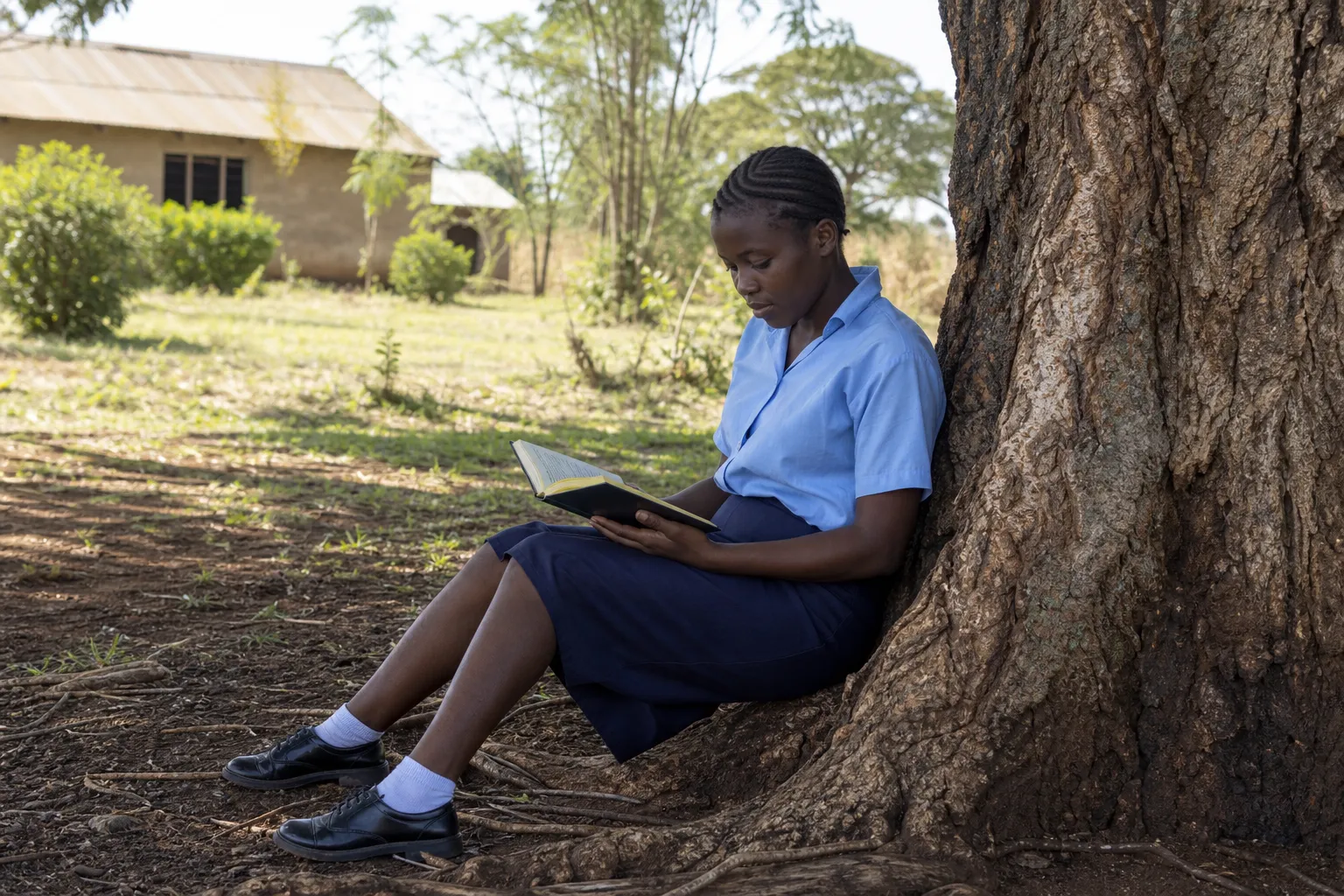
In Kenya, Usawa Agenda Executive Director Emmanuel Manyasa, in an opinion piece for Nation Kenya, called for basic literacy to be viewed not only as the ability to read and write, but also as a factor in an individual's social, economic and environmental capacity. In his view, weak reading skills in early grades can deepen existing inequality.
The author linked the issue to the 60th International Literacy Day, dedicated to literacy for people, the planet and prosperity. He noted that literacy opens access to opportunities, participation in public life and information that is increasingly shaping everyday life.
Consequences of weak learning
Manyasa stressed that children come to school with different resources, circumstances and opportunities. If a child does not acquire basic literacy in the early grades, it becomes increasingly difficult for them to learn other subjects and participate fully in education.
More current news is available on the UA.News Telegram channel Telegram.
Among the possible consequences, he listed lower confidence, loss of interest in learning, absenteeism, weak academic progress and, ultimately, dropping out of school. According to the author, children who need education most to overcome adverse circumstances may benefit least from its opportunities because of an insufficient foundational level of learning. He believes foundational learning should be a priority.
Access to information
The author also drew attention to inequality in the ability to use information. In his assessment, access to messages, government announcements or digital platforms does not in itself mean that a person can effectively use the data received. This requires the ability to read, understand, assess and apply information.
Amid the digitalization of public services and online job searches, basic literacy is becoming even more important, Manyasa noted. He called for educational progress to be assessed not only by the number of children in school, but also by how many of them are learning, what exactly they are learning and what opportunities their acquired knowledge gives them.


