
September 2, 2026 — World Coconut Day: Why It’s Called the Tree of Life
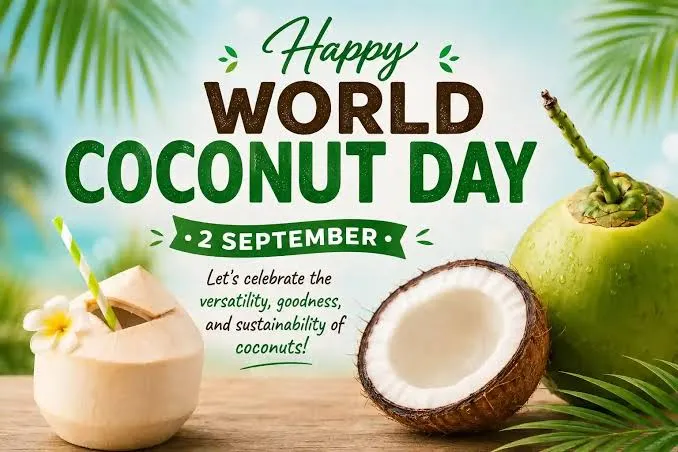
On September 2, the world celebrates World Coconut Day—a holiday honoring a fruit that has long been much more than just food in tropical countries. Coconuts are used to make beverages and dishes, as well as to produce oil, cosmetics, ropes, building materials, and many other items. This day also serves as a reminder of the millions of people for whom coconut farming is a source of employment and income.
World Coconut Day is celebrated annually on September 2. In 2026, this date falls on a Wednesday. The holiday was established in 2009 at the initiative of the Asia-Pacific Coconut Community—an intergovernmental organization of countries for which coconut cultivation is of great economic importance. The date was not chosen at random: September 2 marks the anniversary of the organization’s founding in 1969. Today, the organization is known as the International Coconut Community.
The main goal of the celebration is to draw attention to the coconut and the entire industry that has developed around it. This is not only about the benefits of the fruit itself, but also about farmers, processors, manufacturers, and traders. For many tropical countries, the coconut palm is an important part of agriculture and the local economy.
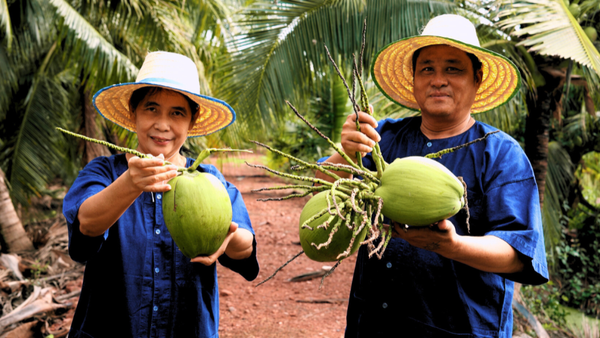
The International Coconut Community emphasizes the need to increase production efficiency, develop processing, create new products, and support farmers. Special attention is given to small farms, for which coconut palms are one of the main sources of income.
How the Holiday Came to Be
The history of World Coconut Day is linked to the Asia-Pacific Coconut Community. The organization was founded on September 2, 1969, under the auspices of the United Nations Economic and Social Commission for Asia and the Pacific. Its mission was to unite coconut-producing countries and help them develop this industry.
Several decades later, in 2009, September 2 began to be celebrated as World Coconut Day. Thus, the date serves as a reminder of both the role of the coconut and the work of the international organization dedicated to the development of this industry.
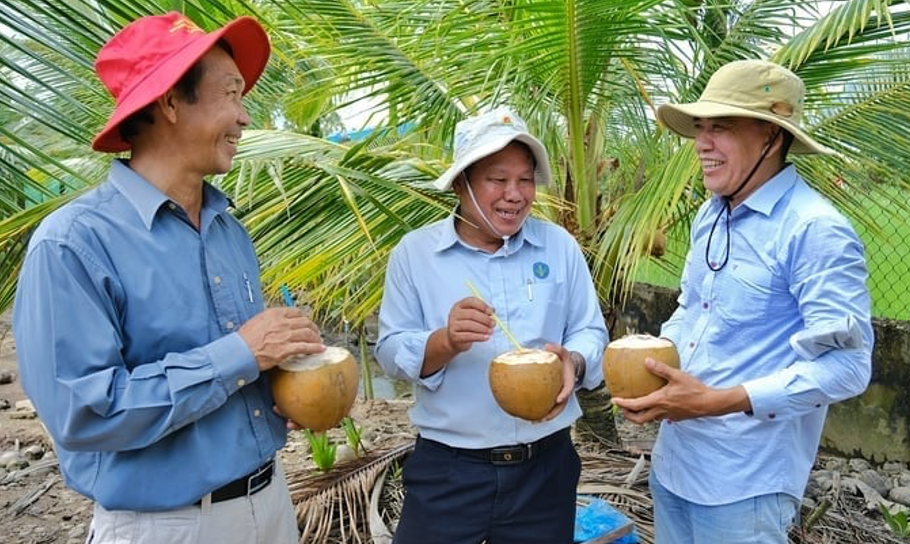
The holiday is primarily focused on countries in Asia and the Pacific region, but it has gradually gained recognition beyond those borders as well. On this day, various countries host educational events, farmer gatherings, conferences, and exhibitions. The main idea is simple: to show just how many things are connected to coconuts. For some, it’s a drink or a dessert; for others, it’s a crop, a job, an export, and a way to support their families.
Why the Coconut Is Called the Tree of Life
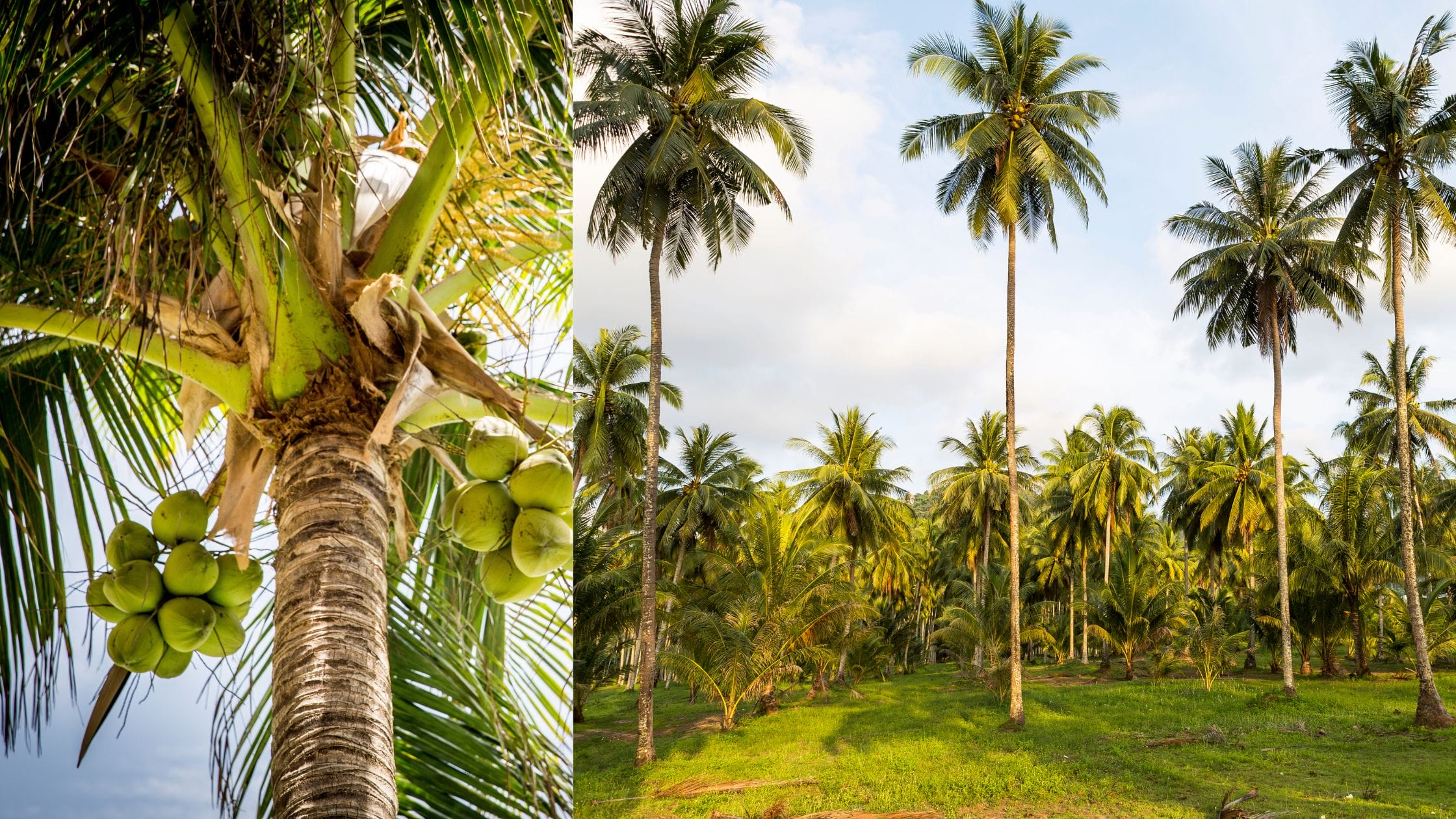
The coconut palm is often called the “tree of life” or the “tree of a thousand uses.” The reason is that virtually every part of the plant can be used. The coconut itself provides water, flesh, and oil. The flesh is used to make coconut milk, coconut flakes, and other products. Coconut oil is used in cooking, cosmetics, and industry.
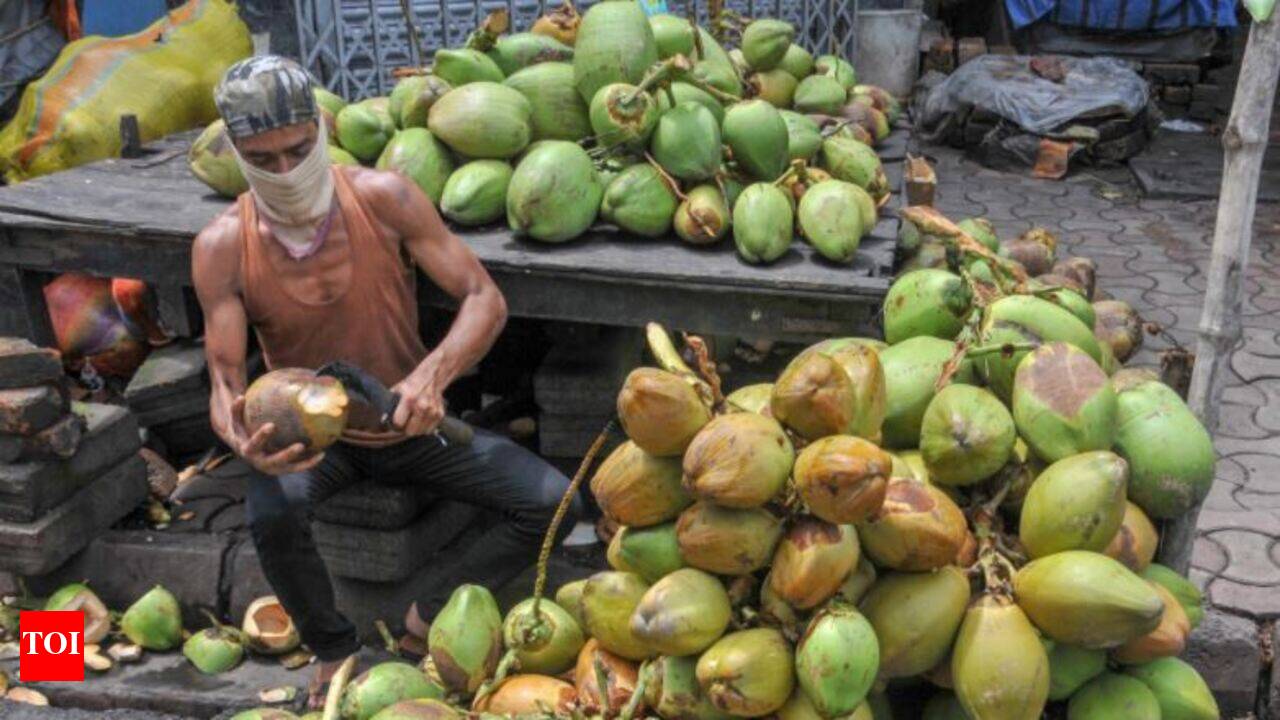
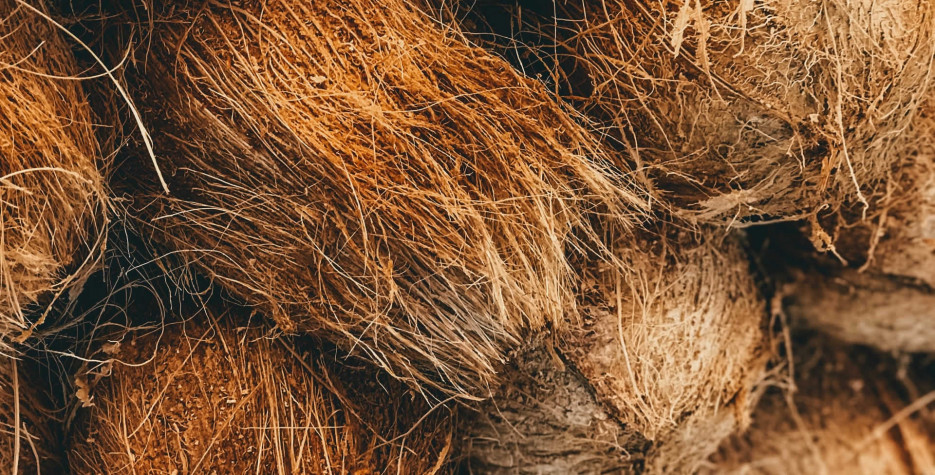
Equally valuable is the fiber from the coconut husk. It is called coir. It is used to make ropes, mats, brushes, fillers, and other products. The shell is not discarded either. It is used to make tableware, souvenirs, decorations, charcoal, and other materials. The leaves of the coconut palm are used for weaving baskets, mats, and even for roofing.
According to the Food and Agriculture Organization of the United Nations, the coconut palm provides a wide range of products—from food and oil to materials for household use and construction. That is why its importance to tropical regions extends far beyond simply growing fruit.
Where Are the Most Coconuts Grown?
The coconut palm requires a warm tropical climate, plenty of sunshine, and moisture. Therefore, the main growing regions are located in Asia, the Pacific Islands, and certain countries in Africa, the Caribbean, and Latin America. Indonesia, the Philippines, and India are traditionally considered among the largest producers. According to the FAO, these three countries have long been among the world’s leading coconut producers.
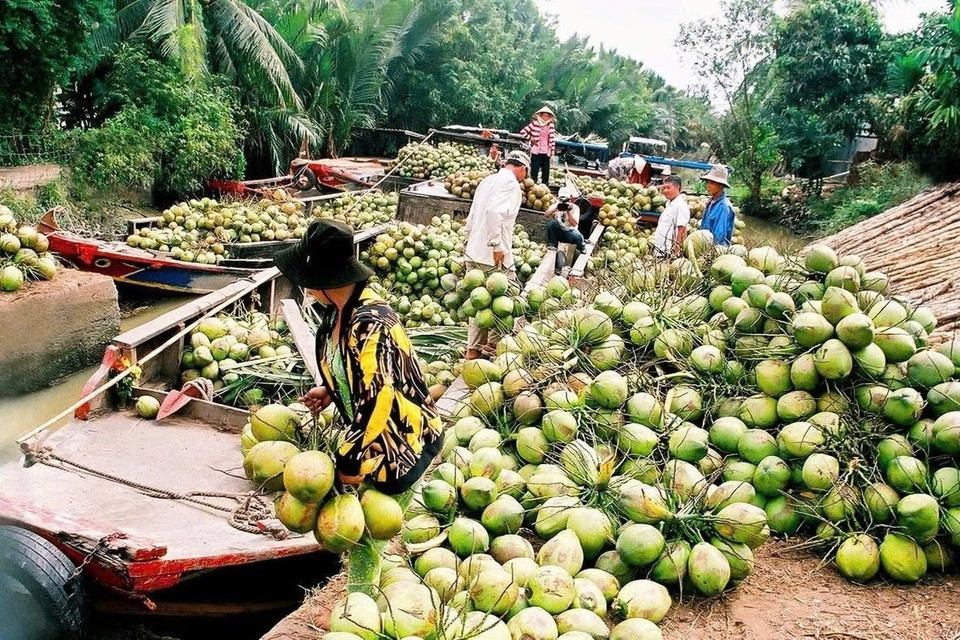
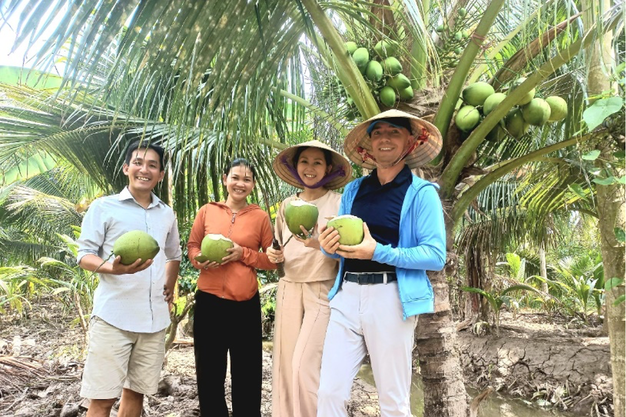
For many farming families, coconut palms are an important source of income. Moreover, a coconut palm can bear fruit for many years, and its products are used not only in the local market but also exported. The international coconut industry spans dozens of countries. According to current data from the International Coconut Community, coconut cultivation covers more than 12.2 million hectares across more than 90 countries, and approximately 67 billion coconuts are produced worldwide each year.

This explains why the coconut has long since ceased to be merely an exotic product. A large international industry has formed around it, involving farmers, processing plants, and manufacturers of food, cosmetics, and other goods.
How the Coconut Spread Across the World
The exact origin of the coconut palm remains a subject of scientific research. It is believed to have originated in the tropical regions of Asia and Oceania and then spread to other tropical regions. Coconuts have an unusual ability to withstand long journeys across the sea. The fruit can float in saltwater and remain capable of germinating afterward. This is why ocean currents may have helped coconut palms colonize various islands and coastlines.

At the same time, humans played a major role. Sailors and traders transported coconuts between countries, where they were planted and cultivated. Europeans learned about the coconut through travel and trade. Marco Polo described the coconut during his travels, calling it the “Indian nut.”
Is the coconut a nut or a fruit?
Despite its common name, from a botanical standpoint, the coconut is not a typical nut. Botanists classify it as a drupe—a type of fruit that includes, for example, peaches and plums. The name “coconut” also has an interesting history. It is linked to the Portuguese and Spanish word “coco,” which was used to refer to the head or skull. The reason is the three dark indentations on the coconut’s shell, which may resemble a face.
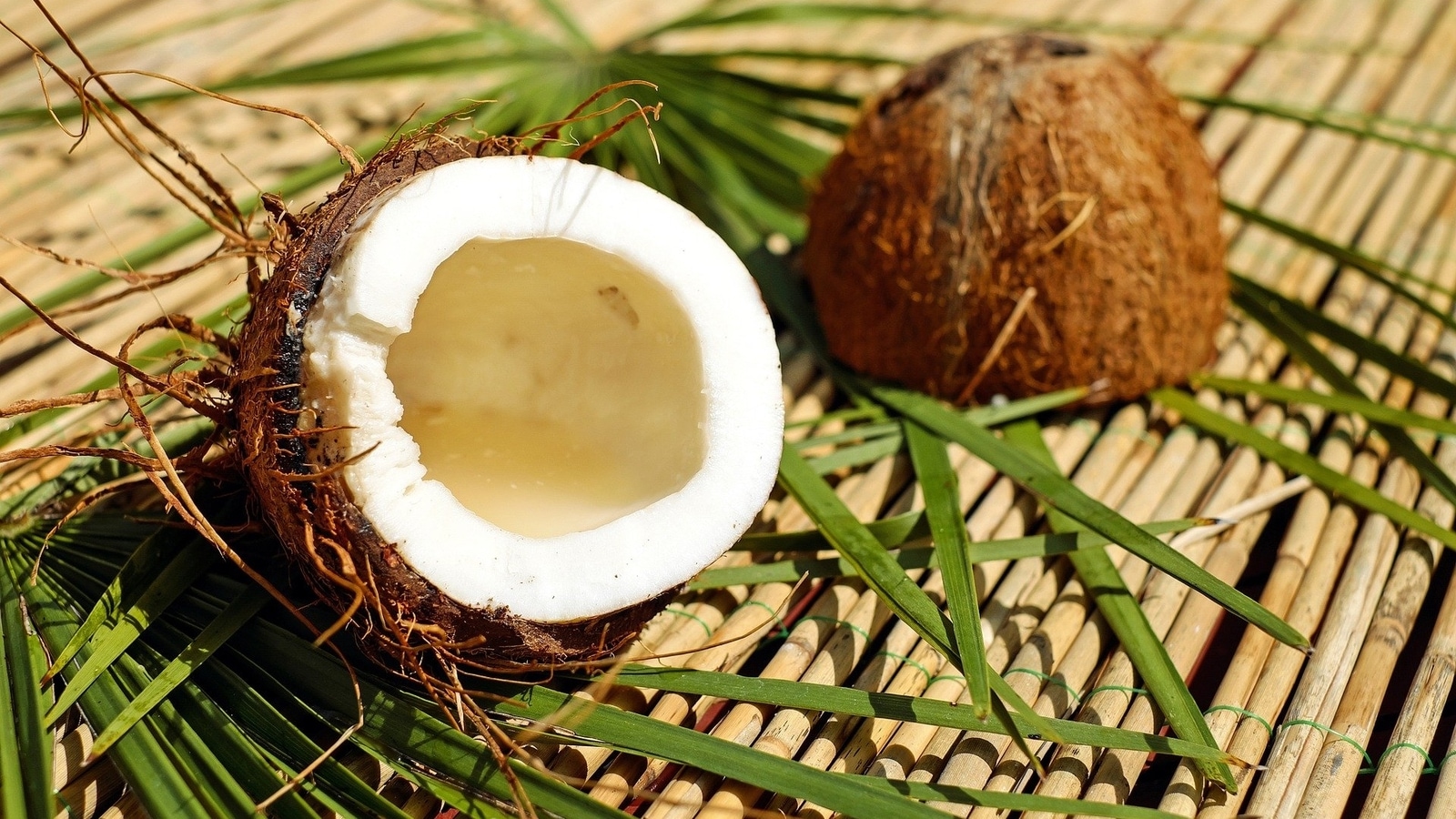
Because of its unusual appearance and hard shell, the coconut has acquired many names and symbolic meanings across different cultures. In some countries, it is considered a symbol of prosperity, fertility, and life. In tropical regions, the coconut palm is so important that it is sometimes called the “tree of life.” And this isn’t just a nice phrase—dozens of different products are actually derived from it.
Coconuts in Culture and Traditions
The coconut plays an important role not only in the economy but also in the culture of many peoples. It holds particular significance, especially in India. In some Hindu rituals, the coconut is used as a symbol of purity, well-being, and new beginnings. The fruit may be offered as a religious gift or cracked open during ceremonies. Such traditions exist in various forms and depend on local customs.
In tropical countries, the coconut is also part of everyday life. It is used in traditional cuisine and added to rice, meat, fish, soups, sauces, and desserts. Coconut milk is used to make curries, beverages, and sweets. Coconut oil is used both in cooking and in everyday life. Therefore, for residents of regions where coconut palms grow, this fruit is by no means exotic. It is a common product, a raw material, and part of the local culture.
How World Coconut Day Is Celebrated
In countries where the coconut industry is significant, various themed events are held on September 2. These may include conferences, exhibitions, farmer gatherings, educational programs, and presentations of new products. Special attention is given to coconut cultivation and processing technologies. Experts discuss how to increase yields, reduce costs, and make more efficient use of all parts of the plant.

Events are also held for the general public. People learn about coconut water, milk, oil, fiber, and other products. For farmers, it’s also an opportunity to showcase their products and find new customers. For governments and international organizations, it’s an opportunity to discuss the industry’s challenges and ways to develop it.
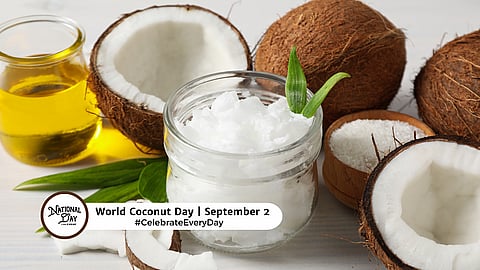
In Ukraine, there are no specific large-scale traditions for celebrating this day. But it’s easy to get involved: try a coconut, prepare a dish with coconut milk or shredded coconut, learn more about tropical agriculture, or tell your friends about the holiday.
Interesting Facts About Coconuts
A coconut palm can live for decades and bear fruit for a significant portion of its life. According to the FAO, a single mature palm can yield an average of about 70–100 coconuts per year, although yield depends on the variety and growing conditions.
Another interesting feature is that coconut water is found inside the young fruit. As the coconut matures, part of the liquid turns into solid white flesh.
Coconut oil is one of the best-known products derived from the fruit. It is used in the food industry, cosmetics, and the manufacture of various goods.
Coconut fiber is also of great practical value. It is strong and moisture-resistant, so it is traditionally used to make ropes, mats, and other products.
It is also interesting that the coconut palm provides benefits beyond just its fruit. The leaves, husk, shell, and trunk can also be used as raw materials.
It is this versatility that has made the coconut one of the most important plants in the tropics.
Why World Coconut Day Is Important
World Coconut Day is not just about celebrating this popular tropical product. Its main purpose is to highlight the economic and social importance of the coconut industry. For millions of people in tropical countries, coconut farming is a source of employment and income. Therefore, the development of this industry can directly impact the well-being of farming families. The International Coconut Community identifies supporting producers and developing the coconut industry as one of its primary goals.

At the same time, global demand for coconuts continues to drive a large market for coconut products. Coconuts are sold fresh, dried, and frozen, and are processed into water, milk, oil, flour, and other goods. According to the International Coconut Community, the global value of coconut product exports in 2024 was approximately $19.61 billion. This demonstrates that the coconut industry is of significant importance to international trade.
So, September 2 is a good reason to look at the humble coconut in a slightly different light. Hidden beneath its hard shell is not only delicious water and flesh, but an entire global industry on which farmers, businesses, and entire regions depend.
How to Celebrate
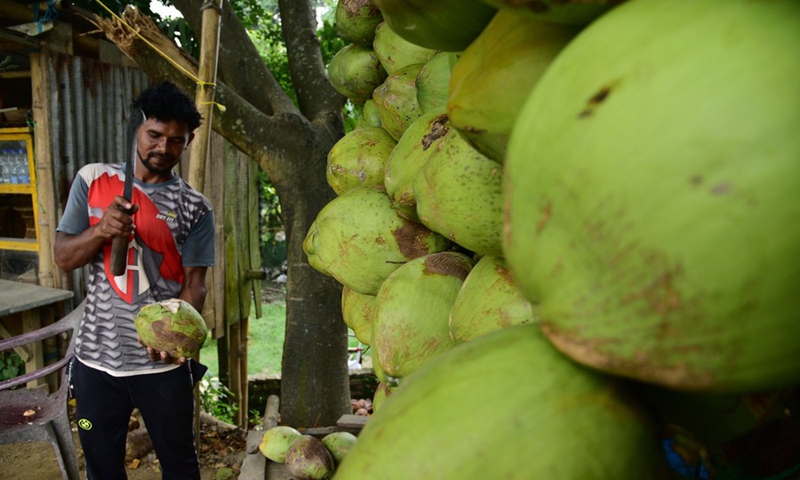
You can celebrate World Coconut Day even far from the tropics. The simplest way is to buy a fresh coconut and try opening it yourself. You can prepare a dish with coconut milk, add shredded coconut to a dessert, or try some coconut water. For those who like to experiment in the kitchen, coconut curry, rice with coconut milk, or shrimp in coconut sauce are great options.
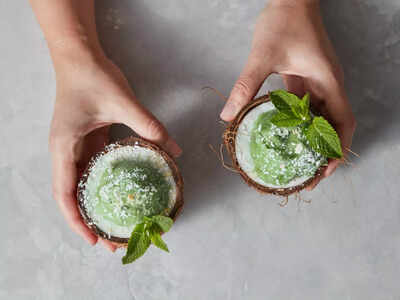
Another option is to learn more about the countries where coconuts are grown and their cuisines. You can also tell your children where coconuts come from and why they’re called the “tree of life.” And if you want to make the celebration more fun, you can throw a small tropical party with fruit, coconut drinks, and themed music.
The main thing is to remember that behind this unusual holiday lies a very real issue: the well-being of millions of people who grow coconuts and the future of an entire agricultural industry.


