
July 7 Holiday: The Solomon Islands Celebrate Independence Day
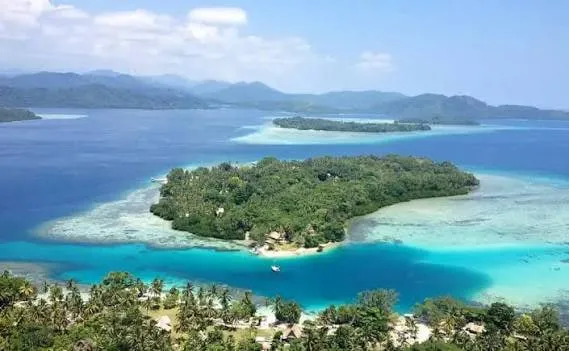
On July 7, the Solomon Islands celebrate Independence Day—the country’s main national holiday, which symbolizes the attainment of sovereignty and the end of British colonial rule. It was on this day in 1978 that the country officially became independent, turning a new page in its history.
Every year, the holiday brings together the archipelago’s residents, who celebrate their national unity, cultural heritage, and the country’s achievements.
History of Independence Day in the Solomon Islands
Prior to declaring independence, the Solomon Islands were under British administration as a British protectorate. Throughout the 20th century, local self-government gradually developed in the country, and political reforms brought it closer to independence.
On July 7, 1978, the Solomon Islands officially became an independent state and joined the Commonwealth of Nations. The British monarch remains the head of state, represented in the country by the governor-general, while executive power is exercised by the government headed by the prime minister.
How the National Holiday Is Celebrated
Independence Day is marked by solemn state ceremonies, the raising of the national flag, celebratory speeches, and cultural events. Concerts, dance performances, traditional music festivals, and sports competitions take place in cities and villages.
Folk traditions play a special role in the celebrations. Representatives from various islands showcase national costumes, crafts, and customs, highlighting the cultural diversity of a nation comprising hundreds of islands and dozens of ethnic communities.

Interesting Facts About the Solomon Islands
Independence Day is one of the largest holidays in the Solomon Islands. Preparations begin well in advance: streets are decorated with national flags, and concerts, sports tournaments, and cultural festivals are organized, lasting for several days.
Despite gaining independence in 1978, the Solomon Islands remain a constitutional monarchy within the Commonwealth of Nations. The British monarch is formally the head of state, represented by the governor-general.
Another distinctive feature of the country is its extraordinary linguistic diversity. More than 70 local languages are spoken across the archipelago, making the Solomon Islands one of the most linguistically diverse countries in the world. Solomonese Pidgin is widely used for communication between residents of different islands, while English is the official language.
- Tourists from all over the world come here not only for the snow-white beaches and coral reefs, but also to experience the unique traditions of the local peoples, who have preserved their distinctive culture, crafts, and rituals for centuries.


