
Experts call for placing farmers at the center of Africa’s economic transformation — TIME
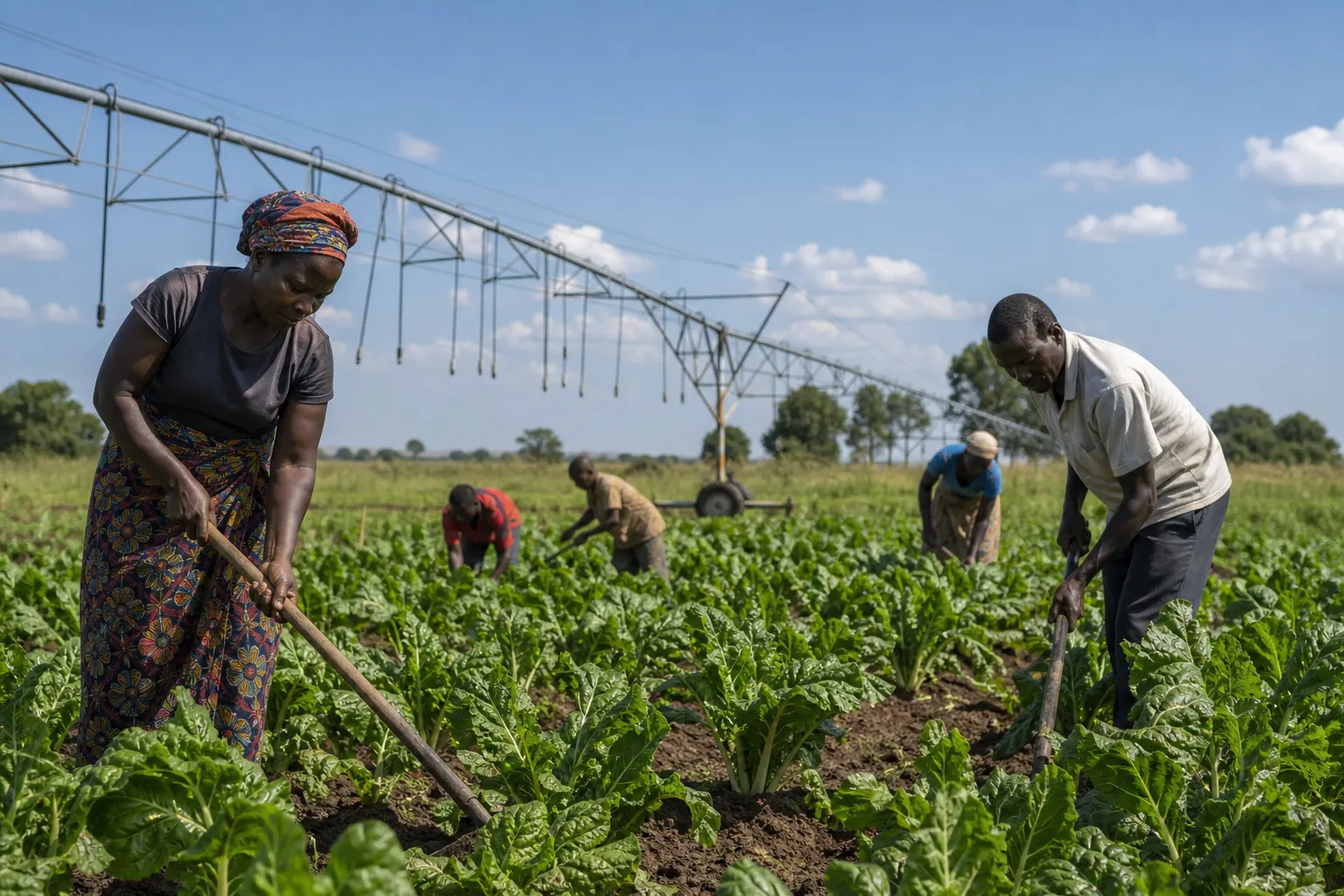
Participants in the TIME Impact Dinner discussion in Kigali called for agriculture and the needs of smallholder farmers to be viewed as a key component of Africa’s economic development. As TIME reports, agricultural sector representatives, climate activists, and development experts discussed increasing productivity and improving farmers’ well-being.
Production doubled
According to a report by the African organization AGRA, which works to scale agricultural innovations for smallholder farmers, agricultural production in Africa has approximately doubled over the past 20 years.
CGIAR Executive Managing Director Ismahane Elouafi noted that such growth is insufficient. According to her, investments have often been made in separate areas rather than within an integrated food system. Even with healthy soil, farmers may lack access to water or adequate irrigation systems.
Elouafi believes that artificial intelligence, advisory services, and big data analysis can accelerate improvements in the value chain, which lacks infrastructure in Africa.
More current news is available on the UA.News Telegram channel Telegram.
Skills and support for farmers
Kingsley Moghalu, founder of the Institute for Governance and Economic Transformation Academy, stated that food systems do not occupy their proper place in economic strategies and development programs in many African countries. According to the World Economic Forum, agriculture accounts for 20% of Africa’s GDP and employs more than 60% of its workforce.
Moghalu also noted that by 2050, Africa’s population is expected to make up a quarter of the global workforce. In his view, this could become an opportunity for growth provided that the skills of workers in the agri-food system are developed.
Assessing farm success
ThriveAgric Head of Corporate Communications Temieoluwa Alabi stressed that smallholder farmers should be regarded as important participants in the value chain. Without proper compensation for their work, it is impossible to ensure farmers’ well-being, she said.
Climate activist and founder of the Green Generation Initiative Elizabeth Wathuti called for investment throughout the value chain and for technologies to be adapted to the real working conditions of farmers. She noted that success should be measured not only by yields, but also by farm profitability and farmers’ ability to adapt to climate change, including in degraded areas.


