
Germany is shifting its automotive industry toward weapons production due to the crisis
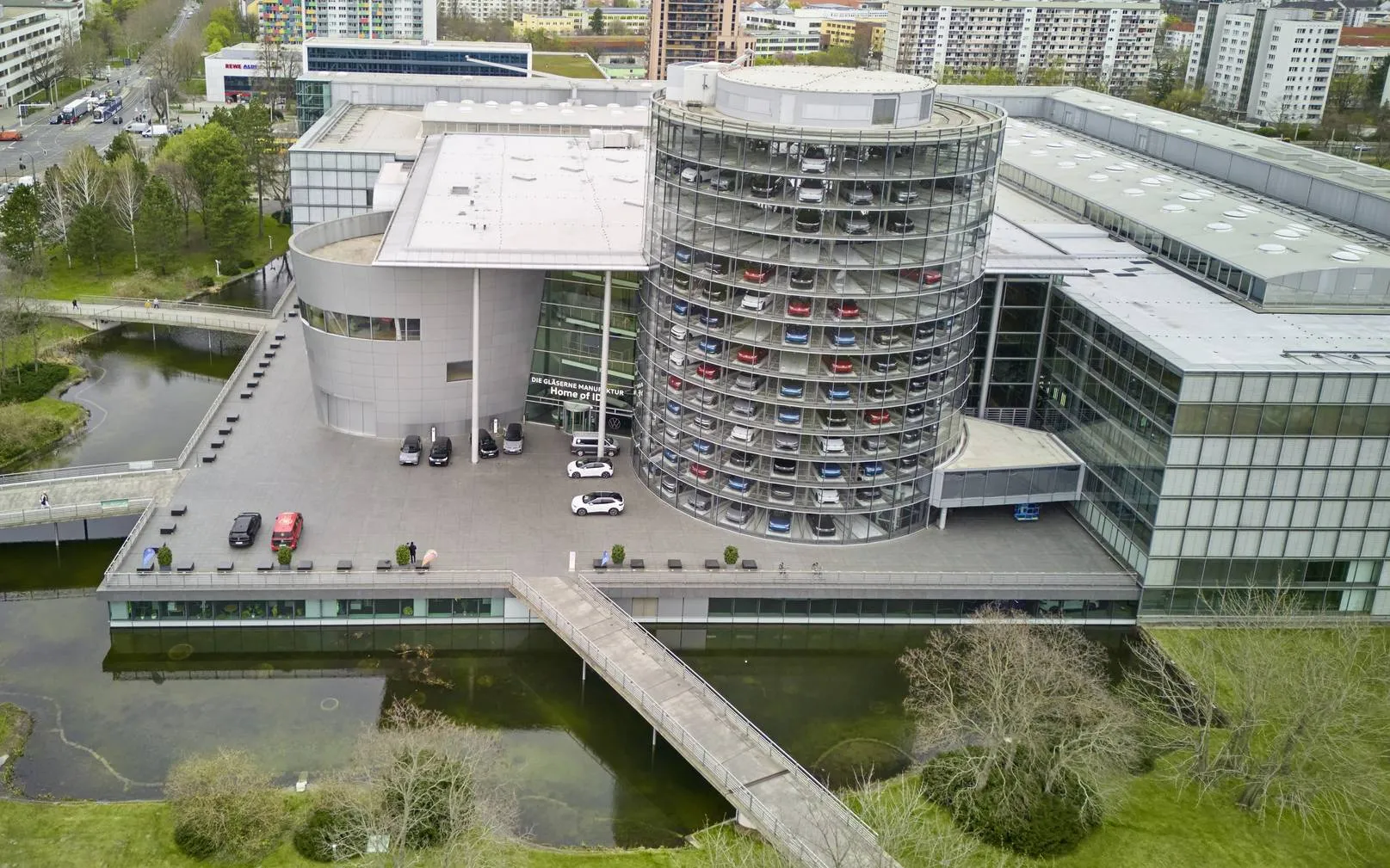
Against the backdrop of a prolonged industrial downturn and stagnation, Germany has launched a large-scale restructuring of its industry to meet military needs.
Berlin aims to replace its outdated export model with a new boom in the arms market, writes The Wall Street Journal. According to the publication, German industry is losing about 15,000 jobs every month due to competition from China and falling demand for cars.
The situation in the auto industry remains critical: Mercedes-Benz’s profit in 2025 fell by 49%, and Volkswagen plans to cut 50,000 jobs by 2030. Porsche’s operating profit plummeted by 98% compared to 2024 levels, forcing the government to seek alternative paths for economic development. Against the backdrop of weakened security guarantees from the U.S., Germany is attempting to become Europe’s primary defense hub to counter threats from Russia.
One example of this transformation is Schaeffler, which has begun producing motors for drones and components for armored vehicles and aviation. The company’s defense division, established last year, is expected to account for up to 10% of the company’s total revenue, which amounts to approximately $28 billion. Production capacity for military orders is provided by over 100 plants worldwide and 100,000 skilled employees. This allows the company to leverage its existing engineering infrastructure for a rapid transition to the military industry. In this way, the government hopes to halt the country’s deindustrialization and strengthen the continent’s defense capabilities.
Other engineering giants are also expected to increase their share of orders for the security sector in the near future. The shift toward military production is seen as the only way to preserve Germany’s technological potential amid global changes. The stagnation the country is experiencing is the longest since World War II. The success of this strategy will depend on the speed of production line adaptation and the volume of government orders. The transformation process has already received support from the country’s leading industrial groups.
Germany is preparing an emergency meeting of the National Security Council due to concerns about the stability of energy supplies and a possible fuel shortage. Authorities assure that the situation is under control but acknowledge the risks of deterioration.
Jens Spahn, the leader of the Christian Democratic Union and Christian Social Union faction in the Bundestag, has called for a return to discussions on nuclear energy.
