
Robotaxis could hit the roads in Poland as early as this year
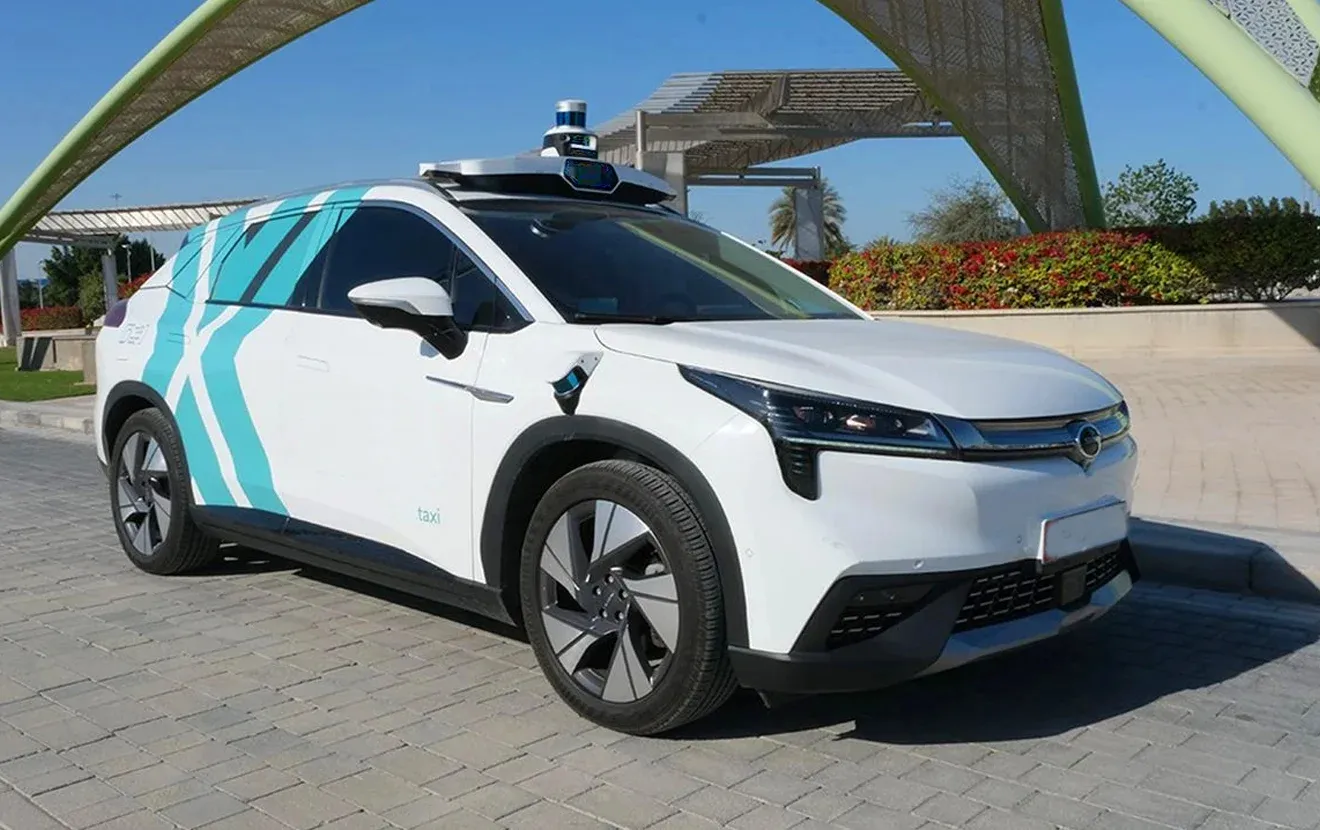
The first driverless taxis could soon appear in Poland, as the country is officially changing the rules for testing autonomous vehicles in real-world urban conditions. The new legislation paves the way for companies that are already preparing to deploy robotaxis on public roads, according to .
Poland is officially moving closer to launching driverless taxis, as new legislative changes will allow autonomous vehicles to be tested on public roads starting June 23, 2026. From that point on, companies will have the legal right to test driverless vehicles in real-world urban traffic. Previously, such projects were effectively blocked due to legislative restrictions, but now the market is opening up to tech players who have long been preparing to enter Poland.
One of the first participants could be Eternis, a partner of Uber and Bolt in Poland. Its CEO, Kamil Leszczyński, stated that the company plans to purchase its first vehicles and begin testing autonomous systems as early as this year. “Poland is viewed as one of the priority European markets for the development of driverless transport,” the company notes.
At the same time, major international platforms are also eyeing the new market. Bolt has announced plans to deploy approximately 100,000 autonomous vehicles by 2035, while Uber has confirmed its interest in launching robotaxis in Poland.
Despite active development and optimistic forecasts, companies acknowledge that a number of technical issues still need to be resolved before a full-scale launch. First and foremost, these include the accuracy of digital maps, the performance of sensor systems, and the stability of communication, on which passenger safety directly depends.
To conduct tests, companies must obtain a special permit from the National Research Coordinator. The permit will be issued for a maximum of three years and will include specific testing conditions.
The cost of the permit depends on the scale of the experiment: within a single province, it is 20,000 zlotys, and for five regions, 40,000 zlotys. A fee of 5,000 zlotys is required for any changes to the permit conditions.
Once the tests are approved, the police and fire departments must be notified of their launch. Operating driverless cars without a permit carries significant fines—ranging from 100,000 to 200,000 zlotys.
Despite discussions about safety, Poles’ interest in autonomous transport remains high: about 35% of the country’s residents view the idea of robotaxis positively.
Meanwhile, the global market is actively moving forward—leaders include Waymo, Zoox, and China’s Baidu, which is already testing its technologies in Europe, gradually bringing the era of driverless transport closer.
Polish President Nawrockidoes not plan to visit Ukraine in 2026.
Navrotsky has strengthened his lead in the trust rating among Polish politicians
The presidents of Poland and Romania commented on Putin’s statement regarding his readiness for peace


