
AI Behind the Wheel: How Technology Is Changing Cars and When to Expect It in Ukraine
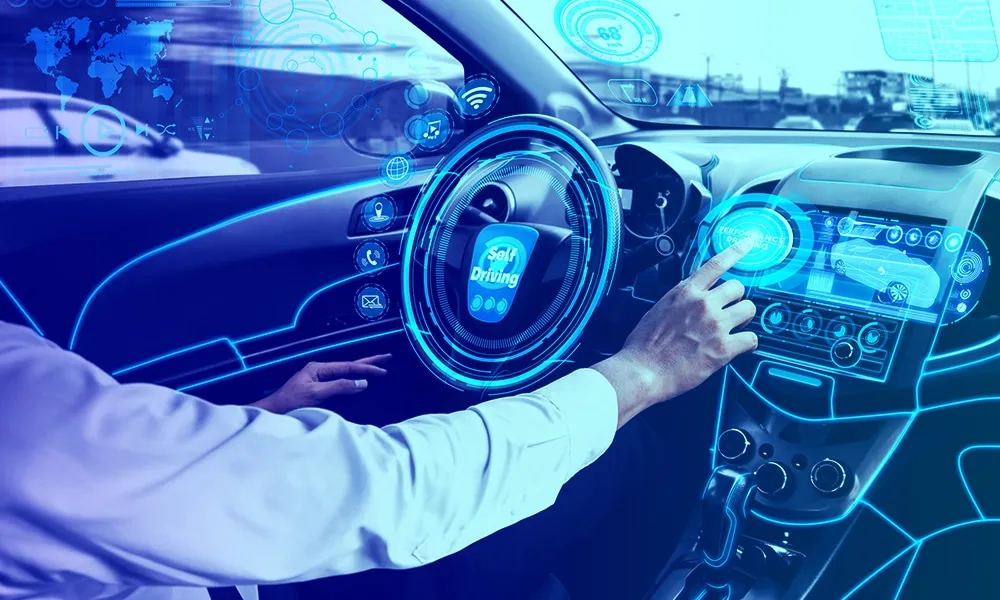
Artificial intelligence is becoming increasingly integrated into the automotive industry, but the widespread adoption of these technologies in everyday cars in Ukraine is still in its early stages. Modern driver-assistance systems already use AI components for safety, navigation, and control, but fully autonomous vehicles remain a prospect for the future.
There is no clear definition of AI, but digital intelligent systems in cars have existed for decades—from ABS and ESP in the 1980s and 1990s to modern driver assistance systems.
With the development of cameras, radars, and computing systems, cars have learned to stay in their lane, recognize signs, monitor blind spots, brake automatically, and adapt to road conditions. Today, thanks to internet connectivity and neural networks, cars can function as the driver’s “smart friend.”
Modern AI systems also enhance comfort: they recognize the driver, adjust the climate, seats, and music, plan routes taking into account traffic and driving style, and can even select entertainment or engage in a “conversation” with passengers.
Safety is a separate area of focus. ADAS systems analyze traffic conditions in real time, predict the behavior of other road users, and help prevent accidents through automatic braking and lane-keeping.
Experts predict that AI features will become standard in most cars within the next few years, turning them into part of a digital ecosystem that enhances the comfort and safety of travel. Analysts note that the timeline for the introduction of such technologies in Ukraine will depend on infrastructure development and legislative regulation.
Earlier, Nvidia CEO Jensen Huang stated that the development of AI will not lead to mass unemployment but, on the contrary, will contribute to the creation of new jobs.
Scientists have developed AI to predict obesity-related diseases.


