
Keanu Reeves spoke out in defense of the director in the fraud case
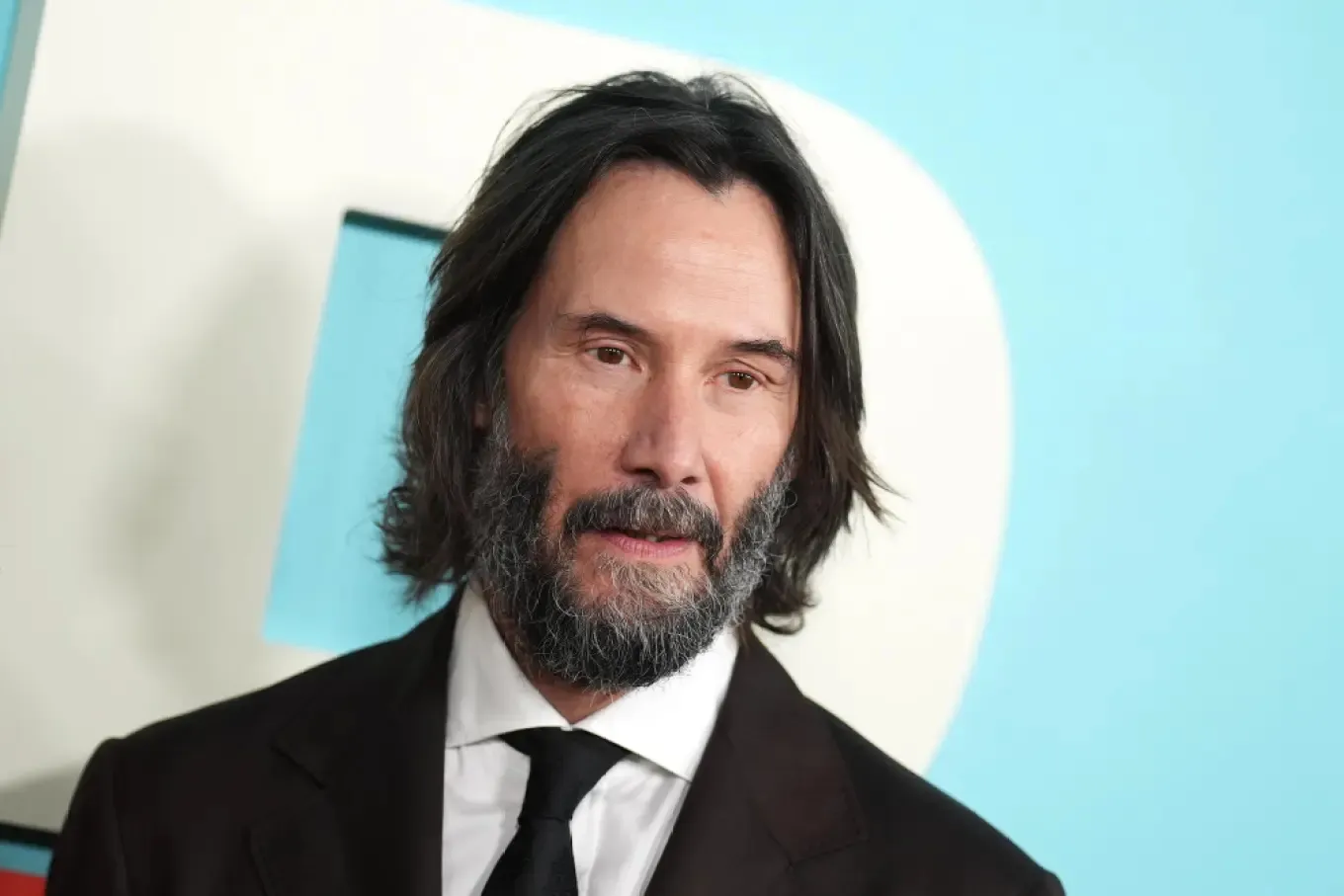
Keanu Reeves has asked a U.S. federal court to reduce the sentence of director Carl Rinsch, who was found guilty of defrauding Netflix. The actor called him a talented artist and asked the court to show him leniency when handing down the sentence.
Hollywood actor Keanu Reeves has unexpectedly intervened in one of the most high-profile cases in the film industry in recent years. The star of “The Matrix” and “John Wick” films appealed to the court for a more lenient sentence for director Carl Rinsch, who was previously found guilty of defrauding Netflix.
In a letter to the federal judge, Reeves described the director as a person with great creative potential. “He is an exceptional artist,” the actor wrote. He also asked the court to show “leniency and mercy” toward Rinsch when rendering its final decision. Carl Rinsch found himself at the center of a major scandal following his collaboration with Netflix on the sci-fi series White Horse.
According to the investigation, the streaming platform allocated millions of dollars to the director for the project’s production. However, prosecutors claim that part of this money was not spent on filming at all. Investigators claim that Rinsch used Netflix funds for personal expenses, bought expensive cars, and invested money in risky financial transactions.
Among other things, this includes investments in cryptocurrency. In December, a court found the director guilty on several counts, including fraud, money laundering, and illegal financial transactions. Keanu Reeves and Carl Rinsch first met many years ago.
They worked together on the film 47 Ronin, in which Reeves played the lead role and Rinsch directed. Later, their relationship went beyond professional collaboration. According to U.S. media reports, the actor became a mentor to the director and was even one of the first investors in the White Horse project. That is why Reeves decided to support his colleague in court.
The final verdict for the director is scheduled to be announced on June 29. By that time, the prosecution must present its sentencing recommendations. According to lawyers’ estimates, Rinsch could face eight to ten years in prison. However, the defense is asking the court to consider a number of mitigating circumstances.
The lawyers emphasize that the director has no prior criminal record, and this case has effectively put an end to his professional career. The defense also points out that Rinsch has already suffered significant damage to his reputation.
In addition to a possible prison sentence, the director will have to deal with financial claims. The court is expected to order him to pay Netflix $11 million in compensation. This is the amount the company claims to have lost due to the director’s actions. But that’s not all.
Netflix is also demanding an additional $4.4 million to cover legal fees. The company spent this money on litigation and cooperating with the investigation. For their part, Rinsch’s lawyers call this demand excessive. They emphasize that the director has already been officially declared insolvent, and during the trial, he was represented by a state-appointed attorney.
Keanu Reeves’ letter was not the only appeal in support of the director. The court also received letters from Karl Rinsch’s mother, his brother, and several childhood friends. They ask the court to take the director’s personal character into account and not impose the maximum penalty. Whether these appeals will influence the court’s final decision will become clear by the end of June. For now, Karl Rinsch’s case remains one of the most high-profile stories surrounding Netflix and the Hollywood film industry in recent years.
Earlier, Ivo Bobul publicly defended Taisiya Povaliy and Ani Lorak, who had moved to Russia and subsequently supported his position. The singer believes that conditions were created in Ukraine that made it impossible for them to continue their careers.
After People’s Artist of Ukraine Ivo Bobul justified his fellow countrywoman Ani Lorak’s move to Russia by claiming that she was allegedly prevented from working in Ukraine, the singer herself—who is accused in Ukraine of betraying her homeland—also echoed this version of events.


