
The Picasso Museum in Antibes: Art by the Mediterranean Sea
The Picasso Museum towers over the old town of Antibes, and its terraces offer a view of the blue Mediterranean Sea. It is one of the most atmospheric cultural landmarks of the French Riviera. The museum is located in the Grimaldi Castle, built on the site of the ancient Greek city of Antipolis. In the Middle Ages, bishops lived here, and later the castle took its name from the Grimaldi family. The stone walls, the sea air, and the view of the distant Alps make a visit to the museum unforgettable.
The museum’s connection to Pablo Picasso began in 1946. At that time, the artist was living nearby, in Golfe-Juan, with Françoise Gilot. Romuald Dor de la Soucher, the museum’s curator—which was already housed in the castle at the time—offered Picasso the use of part of the building as a studio. From mid-September to mid-November, the artist worked here with extraordinary energy, creating paintings and drawings imbued with the warmth and freedom of the Mediterranean.
Picasso’s Antibes period was joyful and inventive. Mythological figures—fauns, satyrs, and centaurs—appear alongside owls, goats, fish, and sea urchins. In this way, the artist blended ancient legends with the everyday life of the coast. One of the most famous works from this period is *The Joy of Life*—a lively composition that seems to celebrate peace, love, and the renewal of creative energy after the difficult years of World War II. Picasso also painted “The Keys of Antibes” directly on the castle wall.
Upon returning to Paris, Picasso left 23 paintings and 44 drawings in Antibes. He later added 78 ceramic works to the collection, created in Madour’s studio in Valloris. These works formed the foundation of the museum’s collection. In 1966, the Grimaldi Castle was officially renamed the Picasso Museum—the first museum dedicated to the artist.
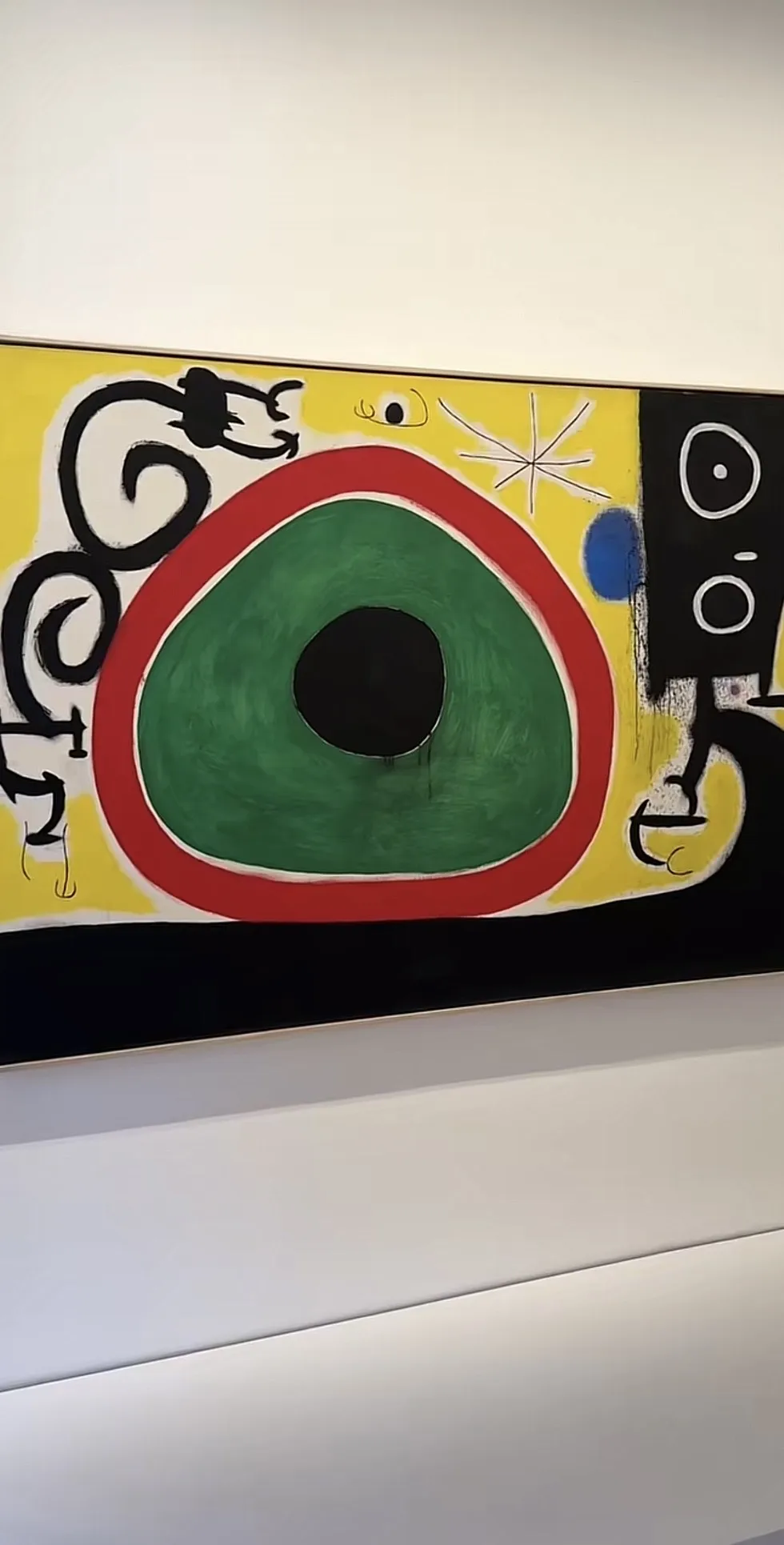
Although Picasso remains the museum’s central figure, its collection is much broader. Here you can see paintings by Nicolas de Staël, who lived in Antibes during the final months of his life, as well as works by Hans Hartung and Anna-Eva Bergman. The open-air terrace overlooking the sea features sculptures by Joan Miró, Germain Richier, and other artists.
What makes the Picasso Museum unique is the dialogue between art and place. Many of the works on display are not merely housed in Antibes—they were created right here, inspired by the local light, history, and the seaside. As visitors wander through the castle’s halls, they see Picasso amidst the landscapes that inspired him. This is not just a museum, but a living portrait of a creative period when this ancient Mediterranean city, for a brief but brilliant moment, became the center of the artist’s world.


