
Archaeologists have discovered the foundation of a bell tower at a rock-hewn monastery in the Khmelnytskyi region
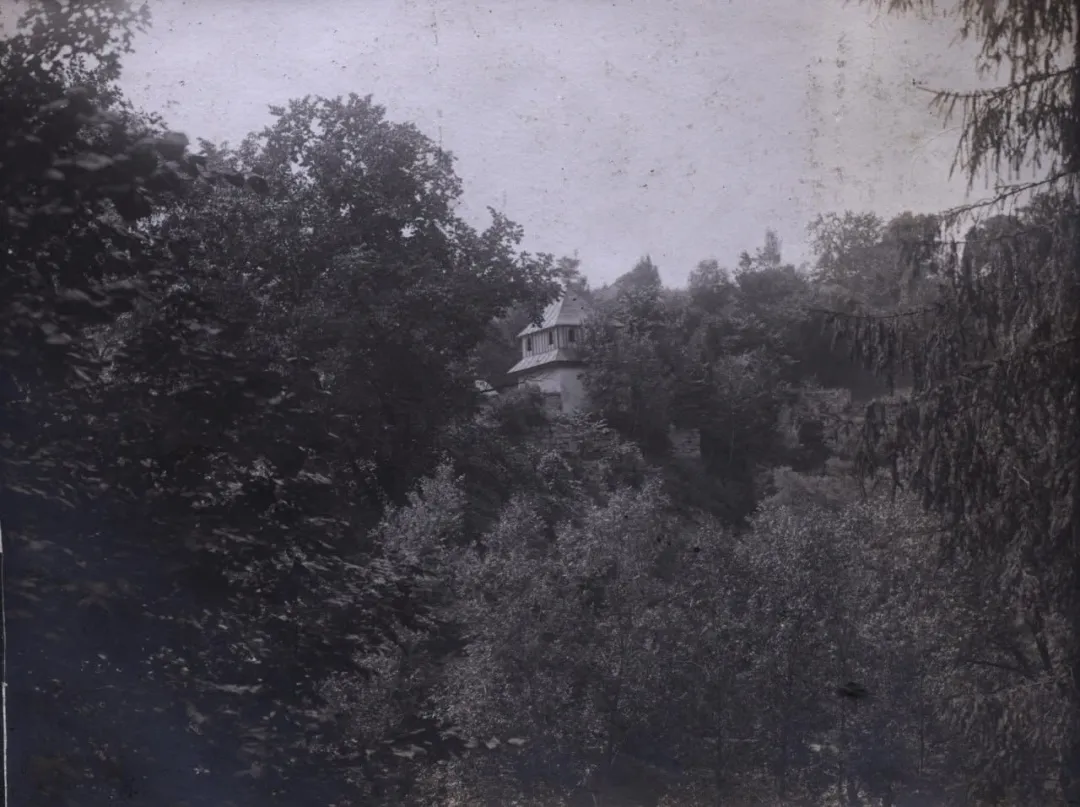
In Maliivtsi, in the Khmelnytskyi region, archaeologists have uncovered the foundation of a bell tower belonging to a rock-hewn monastery, fragments of polychrome frescoes, Old Russian pottery, Scythian artifacts, and a collection of ancient coins.
This was reported by Pavlo Nechitailo, head of the Kamianets-Podilskyi Architectural and Archaeological Expedition.
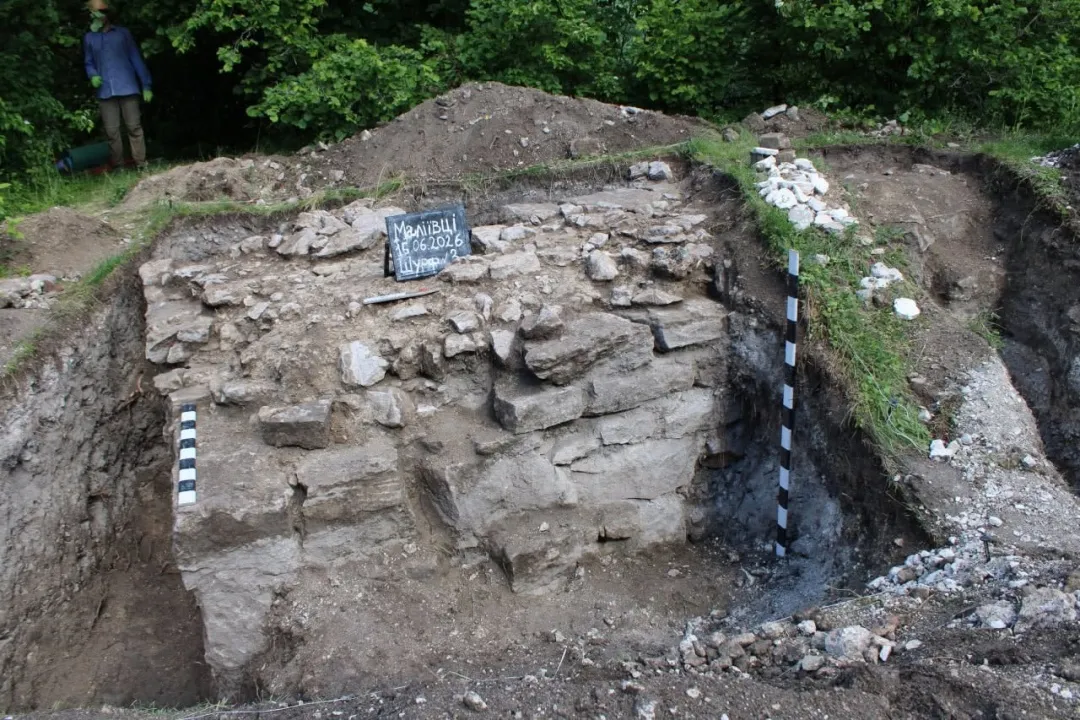
During their research, the scientists determined the location of the monastery’s bell tower, which was destroyed in the early 1930s. The archaeologists uncovered massive stone foundations 1.7 meters wide and with walls approximately 6 meters long.
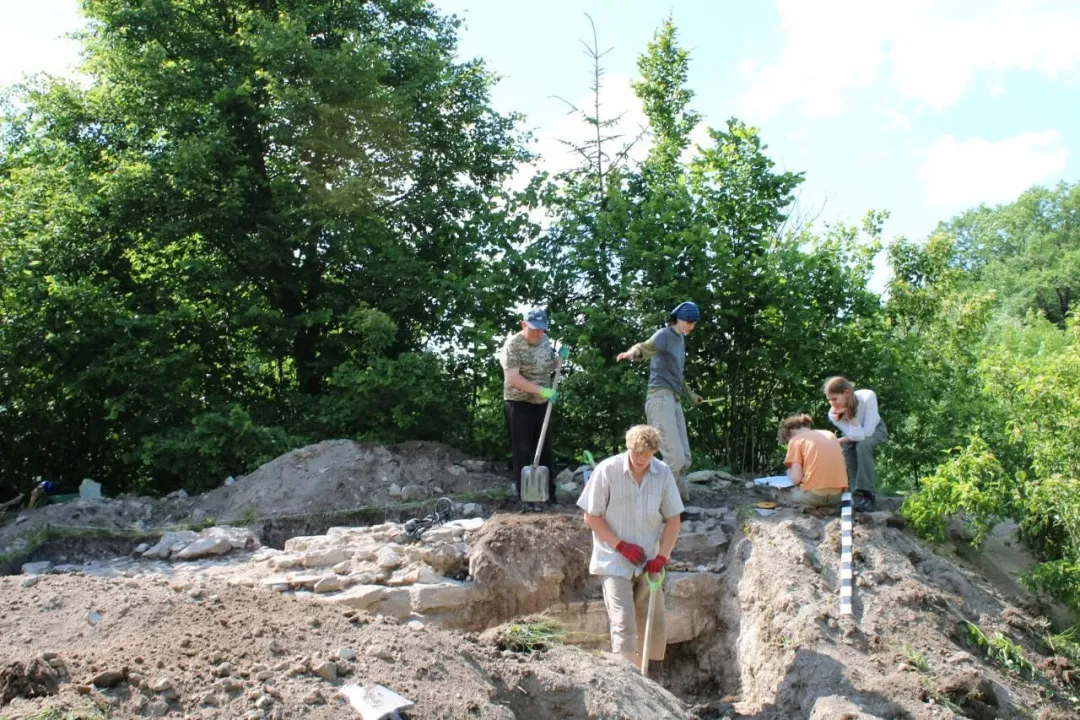
Another previously unknown foundation of a stone structure was also found nearby. During the excavations, fragments of plaster and polychrome frescoes were discovered, featuring black, green, yellow, brown, blue, and ochre colors. Scientists speculate that these are the remains of murals from an ancient church or another monastic building.
Among the finds are pottery from the Scythian period and an arrowhead dating to the 4th century BCE. Archaeologists also discovered pottery fragments from the 12th–13th centuries, confirming the monastery’s existence as far back as the Old Rus’ period.

In addition, decorative elements with gilded thread were found, which may have belonged to priestly vestments, as well as a collection of coins from the second half of the 17th century to the early 20th century.
Currently, researchers are considering the possibility of turning the discovered remains of the bell tower into a museum exhibit.
Source: Ukrinform.
In Italy, during the construction of a highway, workers stumbled upon the remains of an ancient sanctuary dating back to the 5th century BCE. The unique discovery was made near the town of Pons, located approximately 72 kilometers from Venice. After the artifacts were discovered, large-scale archaeological excavations began immediately at the site.


