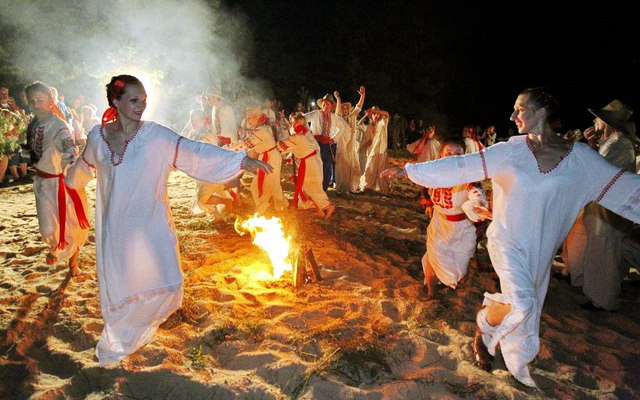
From the Baltics to Ukraine, Kupala Night is coming: the holiday of Ivan Kupala or Midsummer's Day begins
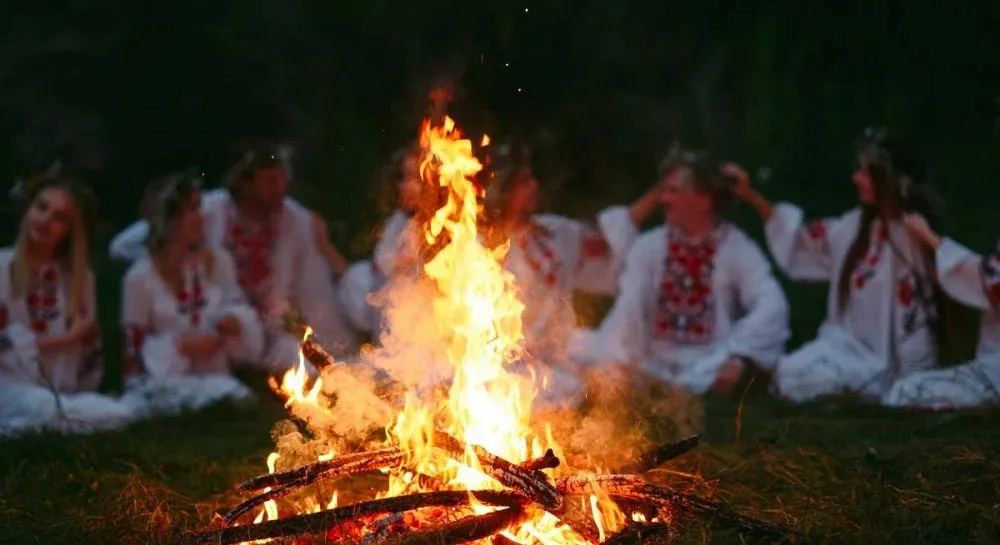
On the night of June 23–24—and in some countries, according to the old calendar, in early July—millions of people across Europe celebrate the festival of Ivan Kupala, or Yaniv Day. Despite the different names, its essence has remained the same for hundreds of years—it is a celebration of summer, the sun, water, fire, and renewal.
Ukrainians, Poles, Lithuanians, Latvians, Estonians, Slovaks, and Czechs have preserved their own traditions for this special night. And although today many ancient rituals have become more of a cultural heritage than an everyday practice, the magic of Kupala lives on.
The history of this festival began long before the emergence of modern borders and even long before Christianity. Thousands of years ago, people closely observed nature and the movement of the Sun. The summer solstice was considered one of the most important moments of the year. The day was the longest, and the night was the shortest.
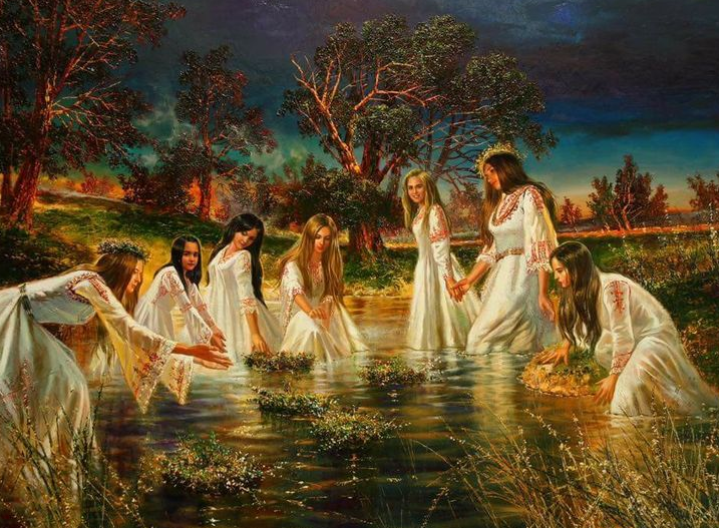
Our ancestors believed that it was at this time that nature reached the peak of its power. Forests, rivers, grasses, and trees were said to receive a special energy. This is why numerous purification rituals involving fire and water emerged. After the spread of Christianity, pagan traditions did not disappear. The Church combined them with the birthday of John the Baptist, who is honored on June 24. Thus, the ancient holiday took on new meaning but did not lose its folk characteristics. Even today, historians call it one of the best-preserved pre-Christian holidays in Europe.
Ukraine
For Ukrainians, Ivan Kupala is not just a folk holiday. It is a whole world of legends, songs, tales, and romance. It is precisely the Ukrainian Kupala traditions that have become some of the most famous in Eastern Europe. In ancient times, people began preparing for the holiday well in advance. Young people gathered flowers, herbs, and tree branches to decorate the festival grounds. It was believed that plants gathered on the eve of Kupala possessed special healing properties.
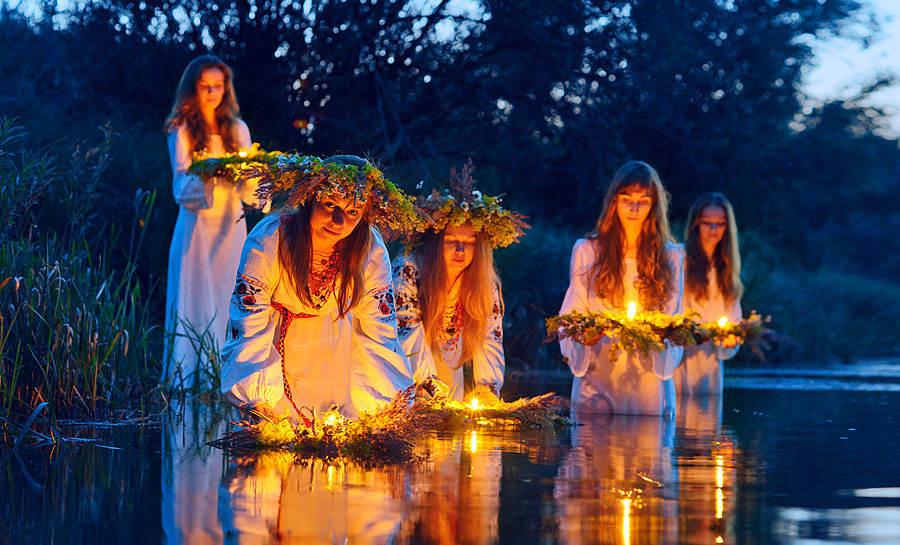
The Kupala wreath held a special place. It was woven from daisies, cornflowers, mint, periwinkle, and other wildflowers. Each plant had its own symbolism. For example, periwinkle symbolized fidelity, and daisies symbolized pure love. In the evening, young women would go to the rivers and float their wreaths on the water. Young men watched them closely. If a young man caught a particular young woman’s wreath, it was considered a good sign for their future relationship.
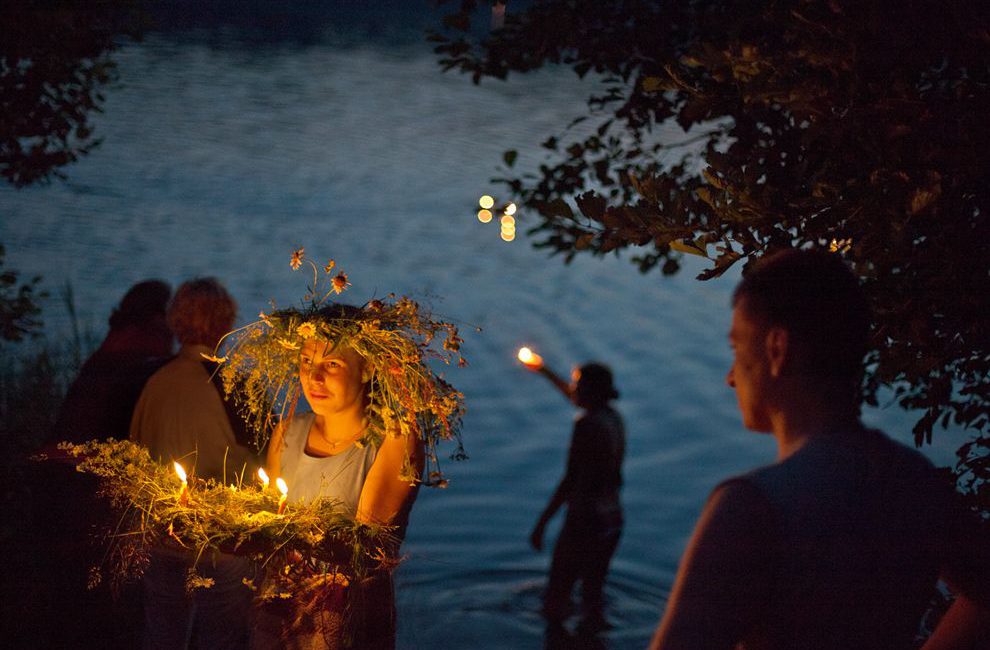
No less important were the Kupala bonfires. They were lit on hills, in meadows, or near bodies of water. Anyone who wished could jump over the fire. People believed that the flames burned away illnesses, troubles, and negative thoughts. There was a special tradition for couples in love. They would hold hands and jump over the bonfire together. If their hands didn’t let go during the jump, it was believed that the couple would stay together for many years.
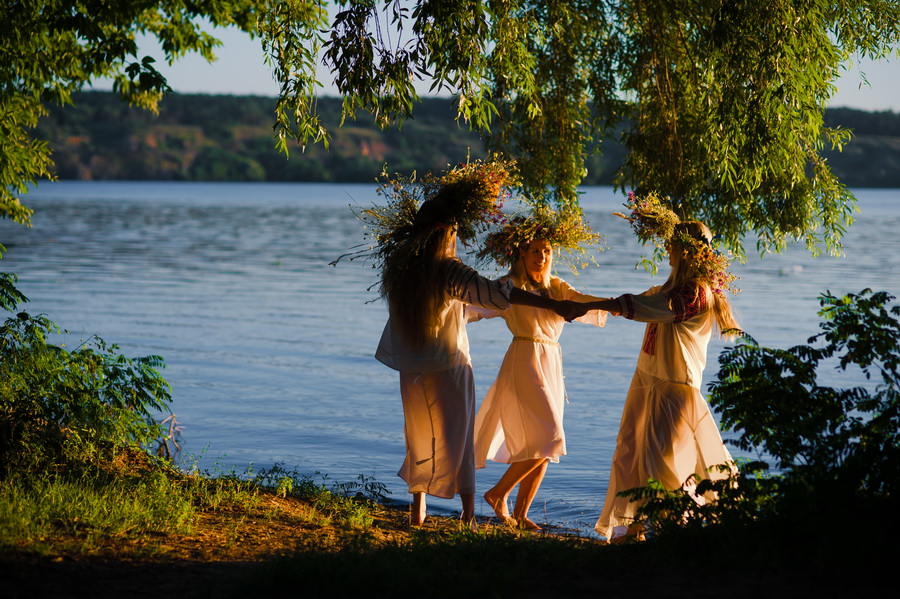
One of the most famous Ukrainian legends is the search for the fern flower. Although ferns do not bloom in nature, in folk tales they have become a symbol of happiness and the fulfillment of dreams. It was believed that only the bravest person could find the magical flower on Kupala Night. Today, Ukraine hosts large ethnic festivals, theatrical performances, folk craft fairs, and concerts. Celebrations at open-air museums and historical and cultural complexes are especially popular.
Latvia
For Latvians, Ligo and Jāņi are more than just a folk holiday. Many residents of the country call it a true symbol of Latvian culture. The celebrations begin as early as the afternoon of June 23. People decorate their homes with oak wreaths, wildflowers, and birch branches. It is believed that greenery brings prosperity and protects the home from all evil.

Men often wear wreaths made of oak leaves. For Latvians, the oak symbolizes strength, courage, and longevity. Women, on the other hand, choose wreaths made of flowers and meadow grasses. In Latvia, there are thousands of special festive songs called “ligo.” They are sung all night long. These songs are passed down from generation to generation and are considered an important part of the national heritage.
A particular source of pride for Latvians is Jāņu cheese with caraway seeds. Virtually no festive table is complete without it. Homemade baked goods, beer, and traditional dishes made from local ingredients are also popular. Latvians believe that one must not sleep on this night. If a person sees the dawn, a happy year awaits them.
Lithuania
In Lithuania, the holiday of Jonines or Rasos is considered one of the most important days of the year. It is even a national holiday. Lithuanians cherish their ancient traditions deeply. For many, the celebrations begin several days before the event itself.
People pick wildflowers, weave wreaths, and head out into nature. Hills, lakes, and ancient sacred sites are particularly popular places for celebrations. On the night of the solstice, large bonfires are lit. The fire is supposed to burn until morning. People gather around it to sing folk songs, dance, and tell legends.

One of the main symbols of the holiday is dew. In ancient times, Lithuanians believed that the morning dew on this day had healing properties. Young people would even go barefoot into the meadows to greet the sunrise. Just like in Ukraine, there is a legend here about a fern flower. Many young people still jokingly set out to search for it during nighttime festivities.
Estonia
For Estonians, Jaanipäev is practically a national symbol of summer. The holiday is so popular that many people leave the cities and head to their summer cottages, farmsteads, or to visit relatives in the countryside. The main event is the lighting of large bonfires. In some regions, they can reach several meters in height.
Estonians believe that the brighter the fire burns, the more successful the year will be for the community. Many cities host folk festivals, fairs, and concerts. Young people take part in sports competitions, contests, and dances. Since Estonia regained its independence, the holiday has also taken on patriotic significance. It serves as a reminder of national traditions and the unity of the people.
Poland
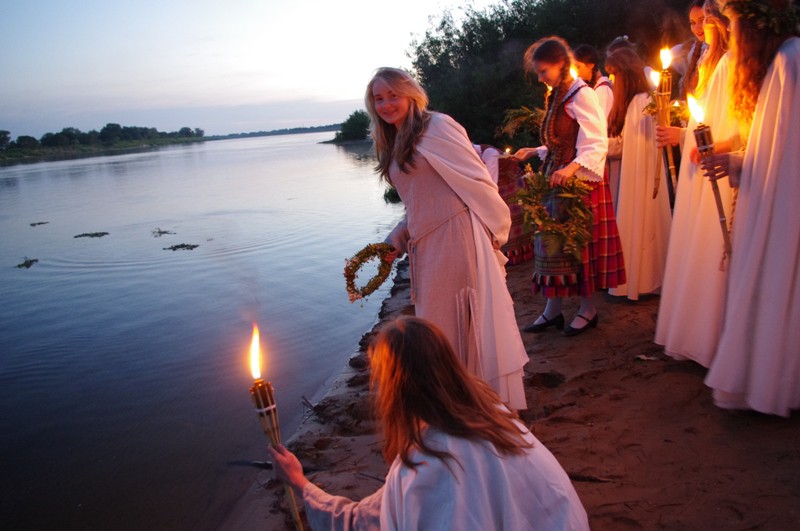
In Poland, St. John’s Night is considered one of the most romantic holidays of the year. It is celebrated particularly vividly in Warsaw on the banks of the Vistula River. Every year, large-scale festivals, concerts, and historical shows take place here. The most famous tradition is floating wreaths on the water. In large cities, this has turned into a true festive spectacle.
Polish girls decorate the wreaths with ribbons and candles. After sunset, they set them adrift on the river to the applause of the spectators. Poles also light bonfires, sing folk songs, and dance under the open sky. For many Poles, this night symbolizes youth, love, and the beginning of true summer.
Czech Republic and Slovakia
The traditions of the Czechs and Slovaks are very similar, as these peoples have lived side by side for centuries and influenced one another. In many villages, you can still witness ancient rituals that have remained virtually unchanged since the days of their great-grandfathers. Large bonfires are lit on the hills. In the past, they served as beacons that could be seen from dozens of kilometers away.

People decorate their homes with green branches and wildflowers. Folk musicians play a special role, performing traditional songs until dawn. In some regions of the Czech Republic and Slovakia, people still believe that herbs gathered on St. John’s Night possess special powers and can be used for healing.
A Festival That Has Endured for Millennia
Centuries have passed, states, borders, and generations have changed, but Kupala Night lives on. For Ukrainians, it remains a symbol of the national spirit. For Lithuanians, it is a connection to their ancestors. For Latvians, it is part of their national identity. For Estonians, it is a celebration of unity. For Poles, it is a romantic summer tradition. For Czechs and Slovaks, it is the living history of their communities.
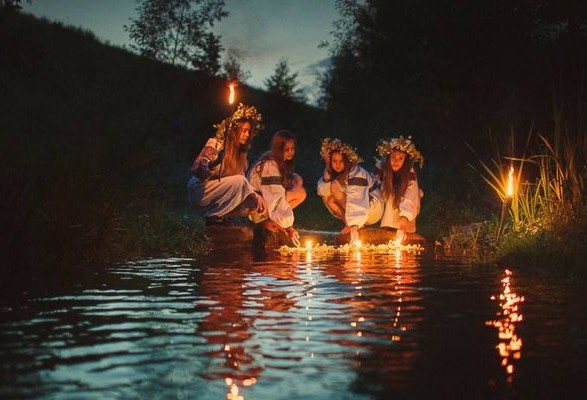
And as long as wreaths float down rivers, bonfires blaze on hills, and people welcome the dawn of the longest day of the year, this ancient tradition continues to unite the peoples of Europe just as it did hundreds of years ago.