
Seoul Block Party sells more than 1,000 tickets — Korea Herald
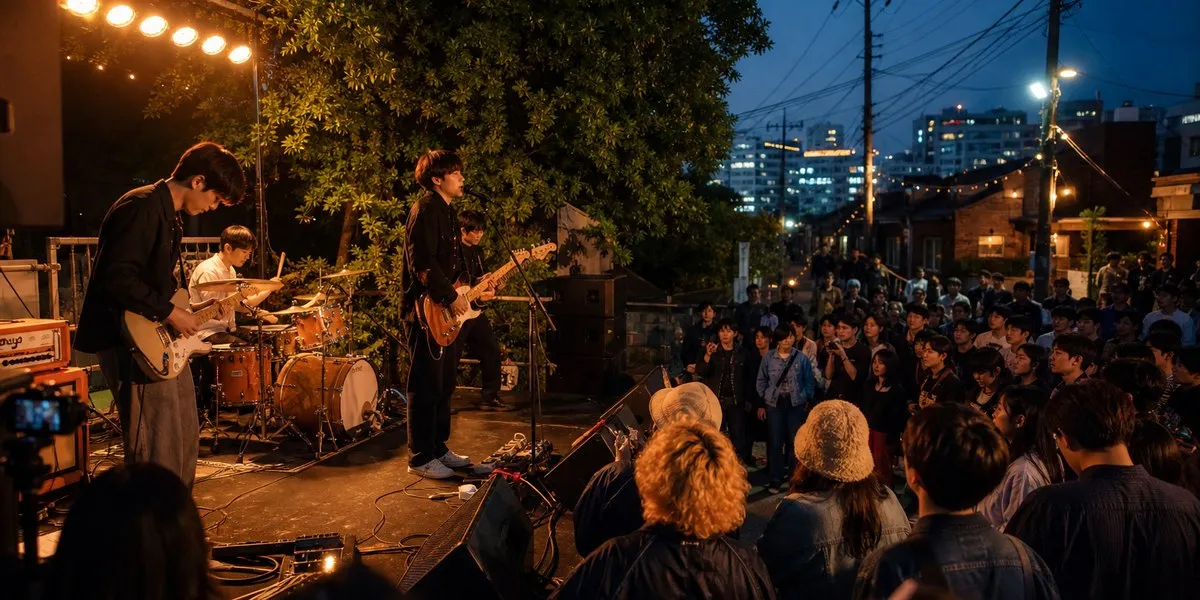
In the Haebangchon district of Seoul, South Korea, the fifth annual Block Party festival, held on September 11–13, sold more than 1,000 tickets. More than 100 performances took place in the district’s bars, clubs and performance venues — from punk band concerts and DJ sets to drag shows, wrestling, magic shows and swing dancing, Korea Herald reports.
A festival across multiple venues
According to Block Party founder and chief organizer Jamie Finn, this year’s event was the largest in the festival’s history. The idea for the event emerged in 2022, when Finn and his team held concerts to mark the release of new issues of the independent cultural magazine Platform Magazine, now called Debaser.
The first Block Party was a one-day festival spanning five venues in Haebangchon and the neighboring district of Gyeongnidan. Finn also said that RM of BTS attended the festival this year: he came to see Sogumm perform from the alternative music collective Balming Tiger.
Changes in Haebangchon
Finn noted that Haebangchon, located at the foot of Mount Namsan in central Seoul, is changing amid gentrification. In recent years, the district has attracted visitors with new restaurants, cafes and bars, while the previously declining Sinheung Market has undergone a years-long revitalization.
More current news is available on the UA.News Telegram channel Telegram.
In the organizer’s view, the festival can help creative communities already working in Haebangchon remain part of the district’s new identity. Swing dancers gather every Sunday at Dialogue, drag shows are held regularly, and wrestlers perform monthly or once every two months.
Support for local venues
Finn organizes Block Party together with Ethan Kim, Seok Jia and Kim Da-hyun, known as Glass Girl. All four combine work on the festival with full-time jobs, while participating venues and volunteers also help make the event possible.
The organizer drew attention to the regulatory restrictions faced by small live music venues in South Korea. In particular, Ovantgarde in Busan received a two-month suspension after authorities said visitors had danced during a performance, which is prohibited under the terms of its ordinary restaurant license.


