
Freight and insurance in the Strait of Hormuz remain 10 times higher — Cyprus Mail
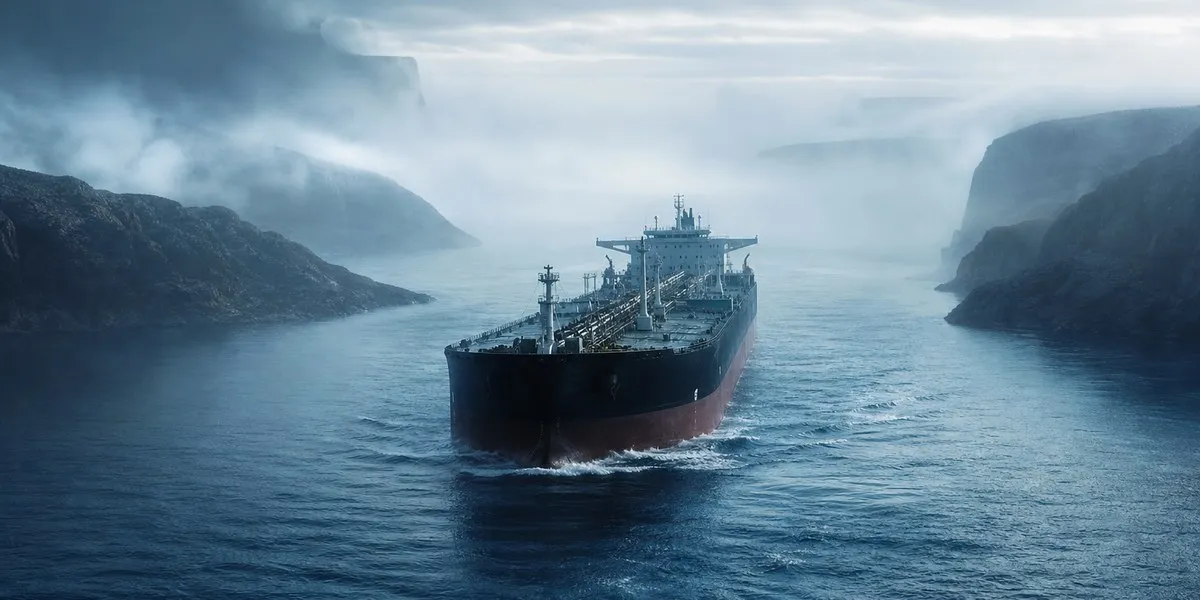
Oil exports from the Persian Gulf countries have nearly returned to pre-war volumes, but freight rates and insurance for vessels passing through the Strait of Hormuz remain about 10 times more expensive than before the war began. This was reported by Cyprus Mail.
According to Kpler, an average of 10.5 million barrels of oil per day have been transported through the Strait of Hormuz since the beginning of October. This is below the pre-war figure of 13.5 million barrels per day, but substantially higher than during the period of the greatest disruptions. Including alternative routes bypassing the strait, the average volume of oil exports from the region stood at 16.7 million barrels per day, compared with 17 million before the war.
Risks to shipping persist
The International Maritime Organization recorded 131 confirmed incidents near the Strait of Hormuz from the start of the war on February 28 through November 9. There were 35 such cases in October, the highest monthly number during the conflict. The publication notes that the actual number may be higher, as shipowners do not always report incidents without significant damage.
More current news is available on the UA.News Telegram channel Telegram.
Oil and liquefied natural gas exporters from the Gulf countries use convoys, routes closer to Oman’s coast under U.S. Navy protection, as well as ship-to-ship transfers. These measures make it possible to maintain supplies, but significantly increase operating costs.
Oil prices declined
Brent benchmark oil prices fell below $90 per barrel on Tuesday for the first time since late August. They have declined by more than 20% from their peak of $118 on October 30. The article attributes this to reduced expectations of a new major escalation in the conflict between the United States and Iran.
U.S. President Donald Trump said on Monday that he would postpone new military action against Iran following appeals from allies in the Gulf countries. At the same time, the United States continues to increase its military presence in the Middle East, while Qatar and Pakistan are pursuing mediation efforts. Washington and Tehran, according to the publication, remain far from an agreement, particularly regarding Iran’s nuclear program.




